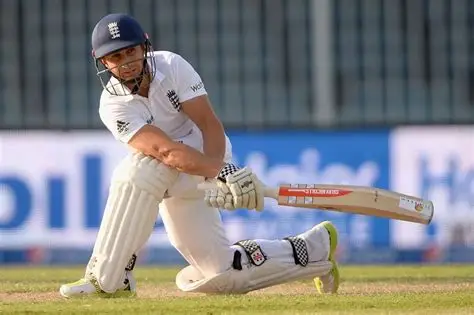
Former England cricketer James Taylor has reflected on the moment that ended his professional career, marking 10 years since a life-threatening heart condition forced his retirement at just 26.
Taylor was playing a pre-season match for Nottinghamshire when he first felt seriously unwell. After returning home, his condition rapidly worsened. He later described the experience as so severe that he believed he might not survive the journey.
He was eventually diagnosed with arrhythmogenic right ventricular cardiomyopathy (ARVC), a rare and serious condition that affects the heart’s rhythm and structure.
Taylor recalled how quickly his health deteriorated. He struggled to walk, became extremely weak, and experienced severe chest pain and breathing difficulties. At one point, he said his body felt like it was shutting down completely.
Medical tests later revealed that his heart was beating at an extremely dangerous rate. Doctors explained that his condition had placed him at immediate risk of cardiac arrest and that he was extremely fortunate to have survived the episode.
He was rushed to hospital after speaking to his doctor, who warned him not to wait for an ambulance. Medical staff later confirmed that his condition was life-threatening and required urgent treatment.
Taylor described hearing his heart rate reach over 260 beats per minute while connected to monitoring equipment. Doctors told him the strain on his heart was equivalent to running multiple marathons.
At the time, Taylor was at the peak of his cricket career. He had recently secured a place in the England cricket team Test squad and had already made strong impressions with both bat and in the field.
His performances had placed him among England’s most promising players, with discussions even suggesting a potential future leadership role.
Despite his condition, Taylor initially hoped to continue playing. He told doctors he wanted to return to the field within weeks, showing how determined he was to keep his place in the team.
However, further medical evaluation confirmed the seriousness of his diagnosis. Doctors explained that he had effectively experienced a cardiac event and that continuing professional sport would be too dangerous.
The diagnosis forced Taylor to retire from professional cricket, bringing an abrupt end to a career that had been rapidly rising.
Looking back, Taylor acknowledges how close he came to death and how dramatically his life changed in a matter of hours.
Today, he uses his experience to raise awareness about heart conditions in sport and the importance of early diagnosis and medical intervention.