Weight-loss medications are gaining popularity, but they are not a simple or permanent solution. Anyone considering these treatments should understand how they work and what to expect.
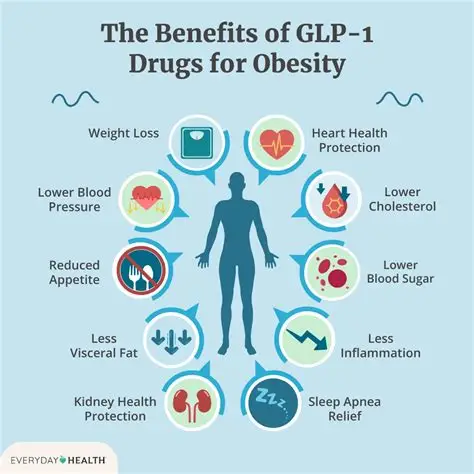
Drugs like Ozempic and Mounjaro have helped many people lose significant weight. These medications mimic natural hormones that control hunger, helping users feel full sooner and eat less.
They act on biological systems linked to GLP-1 and GIP. By activating these signals, the drugs reduce appetite and support steady weight loss.
Many users see results within weeks, with studies showing average weight loss of 14–20% over time. However, not everyone responds equally. Around 10–15% of users experience minimal results.
While these medications can transform lives, experts stress that they work best when combined with lifestyle changes. Without healthier eating habits and regular activity, weight often returns after stopping treatment.
Another important factor is accessibility. These drugs are primarily approved for people with obesity, but demand is rising among those who may not meet medical criteria.
Ultimately, weight-loss drugs offer a powerful tool—but not a cure. A balanced approach that includes long-term behavioral changes remains essential for lasting results.