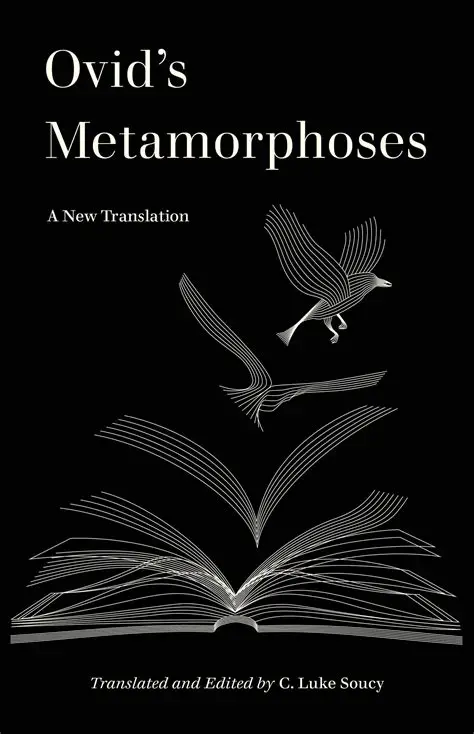
Ovid’s Metamorphoses, written nearly 2,000 years ago, still speaks powerfully to modern life. This collection of classical myths explores themes like identity, transformation, and human behavior—issues that remain highly relevant today.
The work brings together well-known stories from Greek mythology, including Perseus defeating Medusa and Narcissus becoming obsessed with his own reflection. Written in Latin around AD 8, it presents some of the most influential versions of these myths.
What makes Metamorphoses stand out is its focus on change. The stories explore shifting identities, human emotions, and the connection between people and the natural world. These themes mirror current concerns such as environmental change, social identity, and personal transformation.
Experts highlight how the text continues to evolve with each generation. Its flexible storytelling allows readers and artists to interpret the myths in ways that reflect modern challenges. The narratives examine universal human experiences—desire, pride, jealousy, and ambition—making them timeless.
The story of Narcissus, for example, warns against excessive self-focus. Today, it reflects the culture of self-promotion on social media. The myth reminds us that chasing appearances can create an illusion that fails to deliver real fulfillment.
Another powerful example is the story of Pygmalion, a sculptor who falls in love with his own creation. This narrative raises questions about human control and creativity. In a modern context, it connects with concerns about artificial intelligence and whether human-made creations could develop beyond our control.
These ancient stories continue to inspire art, literature, and cultural discussions. They encourage us to reflect on our values, our relationship with technology, and our impact on the world. By revisiting Metamorphoses, readers can find meaningful insights into today’s most pressing issues.