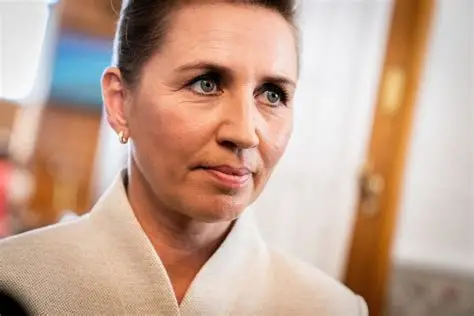
METTE FEDERKSEN secured the largest share of votes in Denmark’s 2026 general election, but her party suffered its worst result in more than a century.
Her Social Democrats gained 21.9% of the vote. Despite finishing first, the party failed to secure enough seats to form a majority government.
No Clear Majority
Denmark’s parliament requires 90 seats for a majority. Frederiksen’s left-leaning “red bloc” won 84 seats, falling short of that target.
The right-leaning “blue bloc” secured 77 seats. Neither side can form a government alone, setting the stage for complex coalition negotiations.
Kingmaker Role Emerges
Lars Løkke Rasmussen, leader of the Moderates, now holds the balance of power. His party’s 14 seats could decide the next government.
Rasmussen signaled openness to forming a centrist coalition. However, Troels Lund Poulsen, leader of the Venstre, rejected any alliance with the Social Democrats and pushed for a right-leaning government.
Frederiksen Remains Defiant
Frederiksen acknowledged disappointment over the result but emphasized that her party remains the largest in Denmark.
She confirmed her willingness to continue as prime minister and lead coalition talks.
Historic Drop in Support
Although the Social Democrats have led Denmark since 2019, this election marks their weakest performance since 1903.
The Liberals also suffered a major decline, recording one of their poorest results in decades.
Campaign Focus on Domestic Issues
While global tensions—especially the dispute over Greenland—raised Frederiksen’s profile, local issues dominated the campaign.
Voters focused on:
- Rising living costs
- Economic concerns
- Welfare policies
- Environmental issues, including pesticide levels in water
What Happens Next?
Coalition talks are expected to take days or even weeks. The final outcome remains uncertain, with multiple parties needing to negotiate alliances.
Frederiksen still has a path to a third term, but only if she can secure support from centrist and smaller parties.