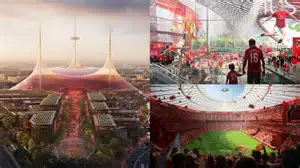
MANCHEESTER UNITED continues to push forward with plans for a new stadium, aiming to have it ready in time to host the 2035 Women’s World Cup final.
The vision, introduced by co-owner Jim Ratcliffe, includes a 100,000-seat venue near the current Old Trafford site. While the proposal generated excitement, the project remains in its early stages.
Realistic Timeline for Construction
Initial expectations suggested the stadium could be completed within five years. However, that timeline only applies once construction begins.
At present, the club is still preparing for the build phase. This includes securing land, finalizing designs, arranging funding, and obtaining planning approvals. These steps could take one to two years before construction even starts.
Officials now confirm that the project remains within its broader timeline, even without a confirmed opening date.
Ambition to Host Global Events
The club aims to make the new stadium a hub for major international events. Hosting the 2035 Women’s World Cup final stands as a key ambition, supported by local leadership including Andy Burnham.
If completed on schedule, the venue could become one of the most significant football stadiums in the world.
What Progress Has Been Made?
Work continues behind the scenes as part of a larger regeneration project in the Old Trafford area. The stadium forms the centerpiece of a wider development plan involving housing, infrastructure, and transport improvements.
The project requires coordination between multiple stakeholders, making the planning phase complex and time-consuming.
Location and Cost Challenges
While the general location remains close to Old Trafford, the exact site has not yet been finalized. The club must first secure land from multiple owners before moving forward.
Costs also remain uncertain. The project could exceed £2 billion, but final figures depend on design choices, materials, and construction methods. Ideas such as using the nearby Manchester Ship Canal for transport are still under consideration.
How Will the Project Be Funded?
Funding remains one of the biggest questions. The club could use private investment from owners, take on additional debt, or create a separate company to finance the stadium.
Each option presents challenges. Increasing debt raises concerns due to existing financial obligations, while external investment could affect ownership structure.
Despite these uncertainties, interest from investors remains strong, with many parties eager to support both the stadium and the surrounding development.