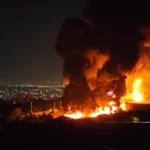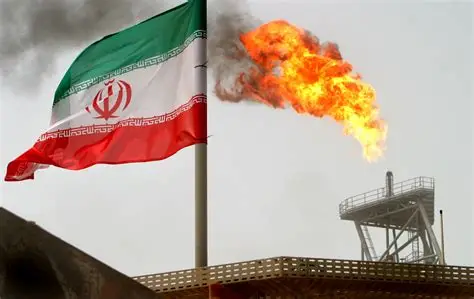
The US-Israel conflict with Iran has exposed the world’s heavy reliance on oil and gas from the Gulf region.
Since the war began, oil prices have surged over a third, trading above $100 per barrel. Attacks on shipping and energy infrastructure, along with the effective closure of the Strait of Hormuz—which handles a fifth of global oil shipments—have pushed prices higher.
Asia is feeling the impact most. Nearly 90% of all oil and gas passing through the strait last year was destined for the region. Ordinary people rely on it for heating, electricity, and transport, while businesses use it to power manufacturing.
Southeast Asia is especially exposed. Even oil-producing nations like Malaysia and Indonesia have reduced output and increased imports over the past decade.
The type of oil produced in the Middle East adds to the problem. Jane Nakano, senior fellow in the Energy Security Program at the Center for Strategic and International Studies, explains that Middle Eastern crude is “heavy sour” or “medium sour.” Refineries in Southeast Asia are designed for this type of oil, making it difficult to switch suppliers without major investment.
Many countries face tough choices. The Philippines relies on Middle Eastern oil for 95% of its supply. The government has reduced the public workweek to four days to save fuel. Thailand is encouraging remote work and higher air conditioner temperatures in public offices to conserve energy.
Rising energy costs are also affecting food prices. Singapore imports 90% of its food, while Indonesia imports all its wheat. Higher transport costs are driving food inflation, alongside rising jet fuel prices, which jumped nearly 60% last week.
Fuel prices are climbing globally, but Asia is hardest hit. Diesel in Vietnam rose almost 60% last month, prompting long queues at petrol stations. In Bangladesh, similar panic buying occurred.
Other countries are taking emergency measures. South Korea temporarily capped fuel prices, Japan is subsidizing oil wholesalers, and TotalEnergies in France will cap petrol and diesel at service stations until the end of the month. In the UK, planned fuel duty increases are under review amid rising prices.