Many people follow a healthy sleep routine but still wake up feeling tired. Even after getting enough hours of rest, the feeling of low energy can continue throughout the day.
This experience is more common than most people think.
A 2023 meta-analysis that reviewed 91 studies across three continents found that one in five adults worldwide reported long-lasting fatigue. These individuals felt tired for up to six months despite having no clear medical condition.
Fatigue Is a Global Problem
Surveys show that tiredness affects millions of people.
In the United States, a survey by the National Sleep Foundation found that 44% of adults feel sleepy two to four days each week.
In the United Kingdom, a poll by YouGov reported that one in eight adults feel tired all the time, while another quarter feel tired most of the time.
Research also shows that women report fatigue more often than men, regardless of whether they have children.
Doctors Hear This Complaint Often
Healthcare professionals frequently encounter patients who feel exhausted without a clear reason.
Rosalind Adam, a family physician based in Aberdeen, Scotland, says tiredness is one of the most common complaints in medical practice.
The UK’s National Health Service even has a term for it: TATT, which stands for Tired All The Time.
Despite how common the issue is, scientists still do not fully understand fatigue.
Fatigue Is Not the Same as Sleepiness
Many people confuse tiredness with sleepiness, but experts say they are different conditions.
Sleepiness refers to the urge to fall asleep. Fatigue, on the other hand, is broader and more complex.
According to Adam, fatigue can affect both the body and the mind. People may feel physically drained, mentally exhausted or both.
Christopher Barnes, a professor at the University of Washington, explains that tiredness acts as a catch-all term for several types of low energy.
Different Types of Fatigue
Fatigue can appear in different ways depending on the cause.
One common form is physical fatigue. This occurs after intense physical activity such as exercise, hiking or heavy work.
Vicky Whittemore, a program director at the National Institutes of Health, says this type of tiredness is normal and well understood.
Muscles become fatigued after prolonged effort, and the body simply needs time to recover.
However, not all fatigue comes from physical effort. Mental stress, poor sleep quality and lifestyle habits can also play a role.
Poor Sleep Quality Can Cause Persistent Fatigue
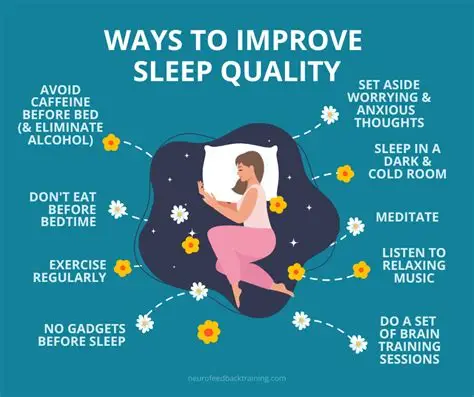
Even when people sleep for seven or eight hours, poor sleep quality can leave them feeling exhausted.
Interruptions during sleep, irregular schedules or stress can prevent the body from entering deeper restorative sleep stages.
As a result, a person may wake up feeling as tired as when they went to bed.
A Complex Problem With Many Causes
Fatigue remains difficult to define and treat because it has many possible causes.
Researchers say it can involve physical health, mental health, lifestyle habits and environmental factors.
Because of this complexity, scientists continue to study how fatigue affects the brain and body.
Understanding why people feel tired all the time may help doctors develop better treatments and improve daily energy levels for millions of people.