Why Some People Feel Tired All the Time Even After Enough Sleep
Feeling tired all the time can be confusing when you are already doing the obvious things right. You may go to bed at a sensible hour, avoid late caffeine, spend seven or eight hours under the covers and still wake up with heavy limbs, brain fog and low motivation. That gap between “enough sleep” and actual energy is what makes being tired all the time so frustrating.
The first thing to understand is that being tired all the time is not always the same as being sleepy. Sleepiness is the urge to fall asleep. Fatigue is broader. It can feel physical, mental, emotional or all three at once. Some people describe it as weakness, others as heaviness, poor concentration, low stamina or a sense that ordinary tasks require too much effort.
This distinction matters because the cause may not be solved by simply spending more time in bed. Poor sleep quality, stress, low iron, thyroid problems, sleep apnea, depression, chronic infection, medication side effects, long COVID, ME/CFS and lifestyle patterns can all make a person feel tired all the time even after a full night’s rest.
Research shows this is not a rare complaint. A 2023 meta-analysis of fatigue in the general population found that adults had a general fatigue prevalence of about 20.4%, while chronic fatigue affected about 10.1% of adults. The National Heart, Lung, and Blood Institute also estimates that 50 to 70 million Americans have sleep or wakefulness disorders. In the UK, the NHS has public guidance for people who are tired all the time and do not know why.
That does not mean every case is serious. Many cases improve with better routines, medical review and targeted changes. But persistent fatigue deserves attention because it is a signal from the body, not a character flaw.
Why the Phrase “Tired All the Time” Matters
The phrase tired all the time is popular because it captures something ordinary language explains better than medical terminology. People may not know whether they are dealing with fatigue, sleepiness, burnout or a sleep disorder. They only know that the day begins without energy and stays that way.
That is why a careful article on tired all the time symptoms should avoid one-size-fits-all advice. Some readers need more consistent sleep. Some need a sleep apnea assessment. Some need iron or thyroid testing. Some need stress support. Some need to stop treating post-viral fatigue as if it were ordinary tiredness.
The phrase tired all the time also helps people notice duration. Everyone has a bad week. A newborn baby, exam period, travel schedule or intense work deadline can temporarily drain anyone. But when someone is tired all the time for weeks, months or most days of the year, it becomes a different question. The body may be asking for a deeper review.
A useful rule is to compare current energy with your normal baseline. If you have always needed more sleep than friends but function well, that may simply be your pattern. If you suddenly feel tired all the time and cannot explain the change, the new pattern matters. If the tiredness is slowly worsening, that matters too.
Fatigue Is Common, But It Is Not Simple
People often say they are tired all the time as if the phrase explains everything. In reality, it can point to several different experiences.
One person may be sleepy because their sleep is repeatedly interrupted. Another may have normal sleep but poor recovery because of inflammation, anaemia or hormonal imbalance. A third may be emotionally drained by stress or caring responsibilities. A fourth may feel exhausted after activity because of post-exertional malaise, a symptom seen in ME/CFS and long COVID.
That is why doctors usually begin by asking what “tired” means. Does the person want to fall asleep during the day? Do they feel weak in the muscles? Do they have brain fog? Did the fatigue begin suddenly or gradually? Does it improve with rest? Does exercise help or make things worse? Are there weight changes, fever, pain, low mood, heavy periods, snoring or breathlessness?
Those questions are not small details. They help separate everyday tiredness from being tired all the time in a way that needs investigation.
| Pattern | What it may suggest | Why it matters |
|---|---|---|
| Sleepy during quiet moments | Poor sleep quality, sleep apnea, insufficient sleep | May need sleep assessment |
| Heavy body and low stamina | Anaemia, thyroid problems, infection, deconditioning | May need blood tests or medical review |
| Brain fog and poor focus | Sleep disruption, stress, depression, long COVID, ME/CFS | Cause can be neurological, psychological or systemic |
| Worse after activity | ME/CFS, long COVID, inflammatory illness | Pushing harder may backfire |
| Better after rest and routine changes | Lifestyle stress, overwork, irregular schedule | Habits may be the main driver |
The key point is that feeling tired all the time is a symptom, not a diagnosis.
Enough Hours Do Not Guarantee Good Sleep
Many people think sleep is only about duration. If they spend eight hours in bed, they assume sleep should be fixed. But the CDC notes that good sleep is also about quality, meaning sleep should be uninterrupted and refreshing. Signs of poor sleep quality include waking repeatedly during the night and feeling tired even after enough sleep.
This is one of the most common reasons people feel tired all the time. They may be in bed long enough, but the brain and body may not be reaching or maintaining restorative stages of sleep.
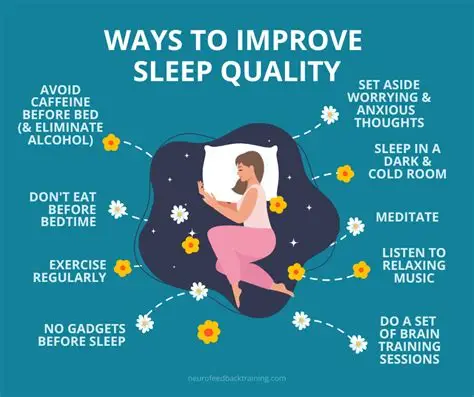
Poor sleep quality can be caused by:
- noise, light or temperature problems;
- alcohol close to bedtime;
- caffeine too late in the day;
- stress and racing thoughts;
- irregular sleep and wake times;
- reflux, pain or frequent urination;
- sleep apnea or restless legs syndrome;
- too much screen exposure before bed.
Sleep apnea is especially important because many people do not know they have it. A person with obstructive sleep apnea may stop breathing or breathe poorly many times a night. They may not remember waking up, but the body still experiences stress and disrupted sleep. Common signs include loud snoring, gasping, morning headaches, dry mouth, daytime sleepiness, irritability and trouble concentrating.
Anyone who is tired all the time despite enough time in bed should look beyond the clock. Sleep duration is only one part of the story. Sleep continuity, breathing, rhythm and recovery matter just as much when someone is tired all the time.
For practical ways to strengthen routine and sleep depth, The News Ink’s guide to sleep quality is a useful next step.
Fatigue Is Different From Sleepiness
The difference between fatigue and sleepiness is more than wording. It changes what the solution should be.
Sleepiness usually means the body is ready to fall asleep. If someone sits quietly and begins nodding off, that is sleepiness. Fatigue may feel like tiredness without an urge to sleep. A person may be exhausted but wired, drained but unable to nap, or physically weak while mentally alert.
This is why some people who are tired all the time feel misunderstood. They may be told to “just sleep more,” even though sleep does not fully restore them. In some cases, fatigue is linked to energy regulation, mood, hormones, immune function or illness rather than simple sleep loss.
Physical fatigue can happen after hard exercise, manual work or a long walk. That kind of fatigue is usually normal and improves with recovery. Mental fatigue can follow long periods of concentration, stress, decision-making or emotional pressure. It can leave the person foggy, irritable and unable to focus, even if their body is not physically weak.
Chronic fatigue is different again. It lasts longer, interferes with daily life and may not improve normally with rest, which is why being tired all the time should be tracked carefully. When someone has been tired all the time for weeks or months, especially with other symptoms, it is reasonable to seek medical advice.
Medical Causes That Can Hide Behind Everyday Tiredness
Being tired all the time is common, but that does not make it meaningless. Mayo Clinic lists many possible causes, including poor sleep habits, lack of exercise, medication effects, depression, hypothyroidism and sleep apnea. In clinical practice, doctors often consider both lifestyle factors and medical causes.
Common medical contributors include:
- iron deficiency or anaemia;
- thyroid disease;
- diabetes or blood-sugar problems;
- vitamin B12 or vitamin D deficiency;
- sleep apnea;
- chronic pain;
- depression or anxiety;
- infection or inflammation;
- autoimmune disease;
- kidney, liver or heart problems;
- medication side effects.
This does not mean readers should self-diagnose from a list. It means persistent fatigue should be taken seriously enough to discuss with a healthcare professional.
Some clues make medical review more urgent: unexplained weight loss, fever, night sweats, chest pain, shortness of breath, fainting, blood in stool or urine, severe weakness, new neurological symptoms, or fatigue that suddenly becomes intense. People should also seek help if tiredness affects driving, work safety or daily functioning.
For milder cases, a doctor may start with a history, examination and basic blood tests. Depending on symptoms, they may check full blood count, ferritin or iron levels, thyroid function, liver and kidney function, glucose, vitamin levels and inflammatory markers. If snoring or breathing symptoms are present, a sleep study may be considered.
Stress Can Exhaust the Body Without Looking Like Illness
Stress is often dismissed as “just stress,” but chronic stress can be physically exhausting. The body is not designed to stay in high-alert mode all day. Constant deadlines, financial pressure, caregiving, conflict, grief, social media overload and lack of recovery can keep the nervous system activated.
That activation can affect sleep quality, digestion, appetite, immune function and concentration. A person may technically sleep enough hours but still feel tired all the time because the day never gives the body a real chance to stand down.
Burnout can look similar. People may feel emotionally flat, cynical, forgetful or unable to complete tasks that used to feel easy. They may need more rest but feel guilty taking it. They may sleep late on weekends and still wake up unrefreshed.
This is where rest needs to be broader than sleep. Some people need mental rest, fewer notifications, quieter evenings, boundaries at work, more sunlight, gentle movement or social support. Others need therapy, medical care or changes to a work pattern that has become unsustainable.
A healthier routine is not only about bedtime. The full day affects the night. The News Ink’s healthy lifestyle guide explains how movement, nutrition and recovery combine to support everyday energy.
Food, Hydration and Blood Sugar Can Shape Daily Energy
Diet does not explain every case of fatigue, but it can make a noticeable difference. Skipping meals, relying on refined carbohydrates, eating very little protein, dehydration and heavy alcohol use can all affect energy.
Meals that digest quickly may cause sharp rises and falls in blood sugar, leaving some people sluggish or unfocused. Fibre-rich meals, protein, healthy fats and regular hydration can support steadier energy. Iron, B vitamins, magnesium and vitamin D also play roles in normal body function, though supplements should be guided by need rather than guesswork.
The gut may also matter. Emerging research links gut health with mood, inflammation and brain function. A fibre-rich diet supports the gut microbiome and may indirectly support cognitive function and energy regulation. Readers can explore that connection in The News Ink’s article on dietary fibre.
Simple food changes may help some people who feel tired all the time:
- eat breakfast or an early meal if long fasting leaves you weak;
- include protein with meals;
- add beans, oats, fruit, vegetables, nuts and seeds;
- avoid using sugar as the main energy strategy;
- drink enough water;
- limit alcohol close to bedtime;
- avoid large late meals if they worsen reflux or sleep.
Food is not a cure-all for feeling tired all the time, but it is one of the daily inputs the body uses to manage energy.
Long COVID and ME/CFS Need Special Care
Some fatigue does not behave like ordinary tiredness. Long COVID and ME/CFS can involve post-exertional malaise, where symptoms worsen after physical, mental or emotional effort. The worsening may be delayed by hours or days and can last much longer than expected.
The CDC lists tiredness or fatigue that interferes with daily life and symptoms that worsen after physical or mental effort among common long COVID features. The NHS describes ME/CFS as including extreme tiredness, sleep problems, brain fog and symptoms that get worse after activity.
This matters because standard advice such as “exercise more” may not be right for everyone. For many people, gradual movement improves energy and sleep. But for people with post-exertional malaise, pushing through can make symptoms worse. They may need pacing, careful activity management and specialist support.
If someone became tired all the time after a viral illness, COVID infection or a period of unusual exertion, and especially if symptoms crash after activity, they should describe that pattern clearly to a healthcare professional. The timing of symptoms can be as important as the symptoms themselves.
What to Track Before Seeing a Doctor
Because feeling tired all the time has many causes, a short record can make medical conversations more useful. Instead of saying only “I am tired all the time,” note the pattern for one or two weeks.
Track:
- bedtime, wake time and night awakenings;
- caffeine and alcohol;
- naps and daytime sleepiness;
- exercise and whether it helps or worsens symptoms;
- meals, hydration and skipped meals;
- mood, stress and workload;
- menstrual cycle if relevant;
- snoring, gasping or morning headaches;
- medications and supplements;
- any fever, pain, weight change or new symptoms.
This record can help separate poor sleep quality from medical fatigue, stress fatigue, post-exertional malaise or lifestyle-related energy crashes.
It can also prevent a common problem: forgetting details during an appointment. Fatigue itself can affect memory, so writing down the pattern is useful.
Practical Steps That Help Many People
If symptoms are mild and there are no red flags, basic changes may improve energy over several weeks. The goal is not to overhaul life overnight. It is to remove the most common energy drains first.
A practical starting plan includes:
- Keep a consistent wake time for two weeks.
- Get daylight in the morning.
- Stop caffeine after early afternoon.
- Keep alcohol away from bedtime.
- Move gently most days if it does not worsen symptoms.
- Eat regular meals with protein and fibre.
- Make the bedroom dark, quiet and comfortable.
- Avoid screens in the final part of the night routine.
- Use short naps only when needed.
- Speak with a clinician if fatigue persists or worsens.
Some people also experiment with bedtime products, teas or snacks. These may help create a calming ritual, but they should not replace proper assessment if someone is tired all the time. The News Ink’s explainer on sleep snacks explains why ingredients such as melatonin, magnesium and chamomile should be used carefully.
The Bottom Line
Being tired all the time after enough sleep is not laziness, weakness or simply a failure to rest. It can happen when sleep quality is poor, when stress overwhelms recovery, when the body is low in key nutrients, when breathing is disrupted at night, or when an underlying health condition is present.
The most helpful approach is to be specific. Are you sleepy, fatigued, weak, foggy or crashing after activity? Do you wake unrefreshed? Do you snore? Did it begin after illness? Does rest help? These details point toward different solutions.
For many people, better routines, steadier meals, morning light, exercise, reduced alcohol and improved sleep hygiene can make a real difference. For others, medical assessment is necessary. Fatigue that lasts for weeks, affects normal life or comes with other symptoms should not be ignored.
This article is for general information only. It is not a substitute for professional medical advice, diagnosis or treatment.
For more practical health explainers, readers can join The News Ink on WhatsApp.