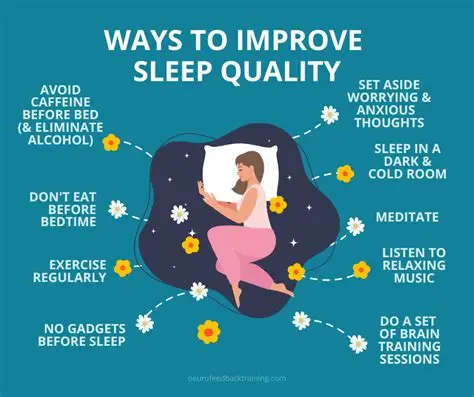
Millions of people struggle with poor sleep every night. Many wake up feeling tired even after spending hours in bed.
According to health research, between 50 and 70 million Americans experience sleep problems. Experts also describe sleep deprivation as a global health concern.
To mark World Sleep Day, scientists highlight several simple ways to improve sleep quality. These tips combine modern research with insights from history.
Here are seven science-backed strategies that may help you sleep better.
1. Accept Waking Up at Night
Many people worry if they wake up during the night. However, historians say that continuous eight-hour sleep was not always the norm.
Historian Roger Ekirch from Virginia Tech discovered historical evidence of a pattern called “two sleeps.”
For centuries, people slept in two phases:
-
A first sleep during the early night
-
A short waking period
-
A second sleep until morning
During the break, people often prayed, talked, or completed small tasks. Understanding this pattern may reduce anxiety for people who wake up at night.
2. Adjust Sleep With the Seasons
Sleep needs can change throughout the year.
Studies show that people often sleep longer during winter when nights are darker and colder. Research in Germany found that both REM sleep and deep sleep increase during winter months.
REM sleep supports dreaming and brain activity. Deep sleep helps the body repair tissues and strengthen memory.
Seasonal changes in daylight influence the body’s natural sleep cycle.
3. Take Short Power Naps
Short naps can boost brain performance and health.
A 2023 study found that regular napping may slow brain ageing by three to six years. Larger brain volume is linked with better cognitive health.
Power naps also improve focus and alertness. Experts recommend:
-
Keeping naps under 15–20 minutes
-
Taking them in the mid-afternoon
Longer naps may lead to deep sleep, which can cause grogginess after waking.
4. Avoid Dangerous Microsleeps
Not all naps are beneficial. Extremely short sleep episodes called microsleeps can be risky.
Microsleeps last only a few seconds. They often occur when someone is severely sleep deprived.
A study of truck drivers in Japan found that many drivers showed signs of microsleep before crashes.
Researchers also discovered that sleeping only six hours per night for two weeks can cause similar fatigue levels as missing an entire night of sleep.
5. Stay Warm and Comfortable at Night
Today many people sleep alone in comfortable beds. However, this was not common in the past.
Until the 19th century, people often shared beds with family members, friends, or even strangers. Sharing provided warmth and conversation during cold nights.
While modern sleeping habits differ, warmth and comfort still play an important role in good sleep.
6. Focus on Sleep Quality, Not Just Hours
Most experts recommend seven to nine hours of sleep per night. However, quality matters just as much as duration.
During sleep, the brain removes waste through the glymphatic system. This process helps clear toxins and supports brain health.
The system works best when sleep occurs at consistent times. Following your natural circadian rhythm—the body’s 24-hour internal clock—improves sleep quality.
7. Appreciate Modern Beds
Modern mattresses offer far more comfort than those used in the past.
During the medieval period, many people slept in enclosed box beds, which resembled wooden cupboards. These beds trapped heat but often felt cramped and stuffy.
Later, mattresses filled with straw or leaves became common. Unfortunately, they also attracted pests such as fleas and bedbugs.
Today’s mattresses and sleep technology provide a much more comfortable sleeping environment.
Better Sleep Starts With Simple Habits
Good sleep does not always require complicated solutions. Small changes can make a big difference.
Accept occasional nighttime waking, adjust sleep with seasonal changes, and maintain a regular sleep schedule. Short naps and comfortable sleeping conditions can also help.
By following science-based habits, many people can significantly improve sleep quality and overall health.