DR Congo Ebola Outbreak Raises Fears as Cases Continue Rising
WHO Warns DR Congo Ebola Outbreak Could Be Larger Than Reported
The growing DR Congo Ebola outbreak may be spreading faster than originally believed, according to health officials monitoring the deadly virus in central Africa.
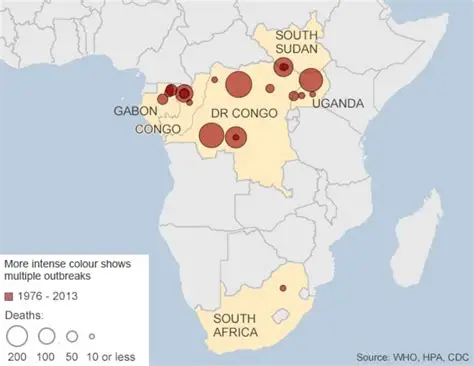
The warning comes as confirmed and suspected cases continue rising in the Democratic Republic of Congo’s north-eastern Ituri province, which remains the centre of the outbreak.
Health authorities say the outbreak has already:
- Killed more than 130 people
- Generated over 500 suspected cases
- Spread into neighboring Uganda
- Triggered international health concerns
Officials from the World Health Organization warned that ongoing investigations continue uncovering additional infections across multiple regions.
The growing scale of the outbreak has intensified fears about wider regional transmission.
Local Residents Describe Fear and Panic
Communities affected by the DR Congo Ebola outbreak described increasing fear as infections continue spreading through nearby towns and villages.
Residents living close to outbreak hotspots reported witnessing people dying rapidly after becoming infected.
Many families have started taking preventive measures including:
- Frequent hand washing
- Avoiding close physical contact
- Limiting public gatherings
- Monitoring symptoms carefully
However, some residents said they still lack access to critical protective supplies such as:
- Face masks
- Medical gloves
- Sanitation materials
Local concerns continue growing as uncertainty surrounding the outbreak increases.
Many communities fear healthcare systems could become overwhelmed if infections continue rising at the current pace.
WHO Investigations Reveal Wider Spread
Health experts monitoring the DR Congo Ebola outbreak believe transmission may already extend beyond initially identified areas.
Officials from the World Health Organization said the more investigators examine suspected cases, the clearer it becomes that the virus has likely spread further than first estimated.
The outbreak remains concentrated in Ituri province, but suspected cases have also appeared in additional regions.
One confirmed death linked to the outbreak has already been reported in neighboring Uganda.
International health agencies now fear cross-border movement could complicate containment efforts.
Regional cooperation between neighboring countries has become a major priority for emergency response teams.
Researchers Suggest Significant Under-Detection
Recent research linked to the DR Congo Ebola outbreak suggests actual infection numbers may be far higher than official counts currently indicate.
Disease modeling conducted by infectious disease analysts in London estimated there may already be more than 1,000 cases.
Researchers warned that:
- Many infections may remain undetected
- Some communities may lack access to testing
- Rural regions could face delayed reporting
- Official figures may underestimate the outbreak’s true scale
The analysis described the outbreak as potentially much larger than currently confirmed.
Experts continue stressing the importance of rapid testing and surveillance to better understand the virus’s spread.
Ebola Remains One of the World’s Deadliest Viruses
The current DR Congo Ebola outbreak highlights the continued danger posed by Ebola virus disease, which remains one of the world’s most lethal infectious illnesses.
Ebola spreads through direct contact with bodily fluids from infected individuals or contaminated materials.
Common symptoms include:
- Fever
- Fatigue
- Muscle pain
- Vomiting
- Diarrhea
- Internal and external bleeding
The disease can progress rapidly and often becomes fatal without proper medical treatment and supportive care.
According to global health experts, Ebola outbreaks require immediate intervention to prevent wider transmission.
Humanitarian Organizations Raise Concerns
Aid agencies responding to the DR Congo Ebola outbreak warned that several dangerous conditions currently exist in affected areas.
Humanitarian groups say the outbreak could escalate further because of:
- Weak healthcare infrastructure
- Limited medical supplies
- Delayed case identification
- Public misinformation
- Population movement across borders
Emergency teams continue working to improve community awareness while expanding treatment capacity in affected regions.
Health officials also stress the importance of public trust during outbreak responses.
Fear and misinformation can make it more difficult for medical teams to trace infections and isolate cases quickly.
Government Urges Calm Amid Growing Crisis
As the DR Congo Ebola outbreak continues worsening, national leaders have urged citizens to remain calm while following official health guidance.
Félix Tshisekedi recently held emergency meetings with senior officials to coordinate response efforts.
Government authorities encouraged citizens to:
- Stay alert for symptoms
- Follow public health instructions
- Report suspected infections quickly
- Cooperate with health workers
Officials continue expanding emergency operations in an effort to slow transmission and improve outbreak containment.
International support has also increased since the outbreak was declared a global health emergency.
WHO Declares International Health Emergency
The seriousness of the DR Congo Ebola outbreak increased further after WHO Director-General Tedros Adhanom Ghebreyesus declared the situation an international emergency.
The declaration allows global health organizations and governments to coordinate additional resources more rapidly.
Health experts remain especially concerned about:
- Urban transmission risks
- Cross-border spread
- Overburdened hospitals
- Limited surveillance systems
The World Health Organization described the speed and scale of the outbreak as deeply concerning.
International agencies continue mobilizing funding, medical personnel, and emergency response teams.
Regional Instability Complicates Ebola Response
The ongoing DR Congo Ebola outbreak also unfolds in a region already facing serious security and humanitarian challenges.
Parts of eastern DR Congo continue experiencing instability linked to armed groups and long-running conflict.
These conditions complicate outbreak response efforts by limiting:
- Healthcare access
- Medical transportation
- Contact tracing operations
- Community outreach programs
Health workers often face dangerous conditions while attempting to treat patients and monitor suspected infections.
Regional instability remains one of the biggest obstacles to fully controlling the outbreak.
Key Facts About the DR Congo Ebola Outbreak
Here are the latest major developments:
- More than 130 people have died
- Over 500 suspected cases have been reported
- WHO believes the outbreak may be spreading faster than expected
- One Ebola-related death occurred in Uganda
- Researchers suggest actual case numbers may exceed 1,000
- International health agencies declared a global emergency
- Communities continue facing shortages of protective supplies
Conclusion
The worsening DR Congo Ebola outbreak has raised serious international concern as health officials warn the virus may already be spreading more widely than earlier estimates suggested.
With rising infections, growing humanitarian pressure, and fears of regional transmission, authorities continue racing to contain the deadly disease before it escalates further.
As emergency teams strengthen surveillance, treatment, and public awareness efforts, global health organizations remain focused on preventing one of Africa’s latest Ebola outbreaks from becoming an even larger crisis.