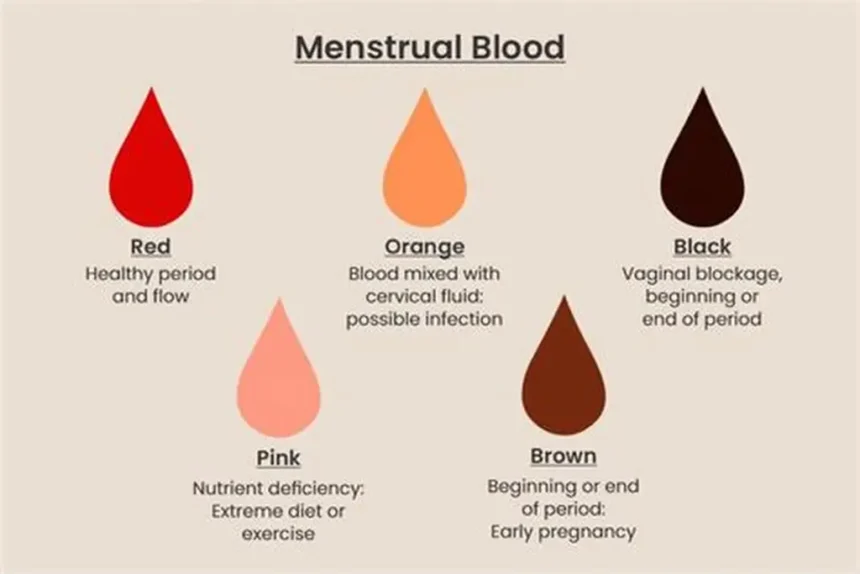
Menstrual blood is proving to be more than just a monthly inconvenience. Researchers are finding it can reveal a woman’s overall health, from endometriosis and cervical cancer to diabetes, vitamin deficiencies, and even pollution exposure.
Emma Backlund, a 27-year-old graduate student from Minnesota, shared her period blood with biotech startup NextGen Jane in 2023. She sent eight tampons from a single cycle to the firm’s lab in Oakland, California.
Backlund’s motivation was personal. She suffered from severe period pain for years before discovering she had endometriosis, a disorder where the uterine lining grows outside the uterus. This condition affects 190 million people worldwide and can cause heavy bleeding, intense pelvic pain, bladder or bowel issues, and infertility.
Diagnosis often takes between five and twelve years and requires a laparoscopy, a procedure involving a small camera inserted into the pelvic cavity. Ridhi Tariyal, CEO of NextGen Jane, is developing less invasive, faster, and cheaper tests using menstrual blood.
Menstrual Blood: A Medical Goldmine
Menstrual blood contains a mix of blood, proteins, hormones, bacteria, endometrial tissue, and cells from the vaginal cavity, cervix, fallopian tubes, and ovaries. This makes it a rich source of information about reproductive health.
“You get access to cell types and molecular signatures not available in whole blood or saliva,” says Tariyal. “It’s essentially a natural biopsy providing insight into reproductive organs.”
Since 2014, NextGen Jane has collected over 2,000 menstrual samples from more than 330 volunteers. Researchers like Christine Metz, a reproductive biologist at Northwell Health, are exploring menstrual blood to identify biomarkers for endometriosis, endometrial cancer, adenomyosis, and chronic uterine inflammation.
“Menstrual effluent offers a full view of uterine health that biopsies cannot,” Metz explains. “It’s a very unique biological specimen. One study even found 385 proteins unique to menstrual blood.”
Because period blood is shed monthly, it gives a more holistic picture of the uterus compared to small biopsy samples. Metz uses menstrual cups to collect samples, ensuring researchers can assess the entire shed endometrium, which is roughly the size of a grapefruit.
Menstrual blood, once overlooked, is now emerging as a powerful tool for understanding women’s health, offering a less invasive, more comprehensive method for detecting and monitoring reproductive conditions.