


When Ruth Gonzalez began taking the weight-loss medication Zepbound last year, she had to adjust her budget to afford its $350 monthly cost. She switched her mobile plan, cut most streaming subscriptions, limited groceries, and stopped visiting Starbucks.
At 56, Gonzalez pays out of pocket because her insurance doesn’t cover weight-loss drugs. Within six weeks of starting treatment, her blood pressure returned to normal, and she lost more than 40 pounds (18kg), reducing her risk of sleep apnea and fatty liver disease.
Recently, some of her financial pressure eased. Eli Lilly, the maker of Zepbound, lowered its prices by $50–$100 per vial in December, allowing her to take a stronger dose. She’s also considering a lower-cost weight-loss pill the company plans to launch soon.
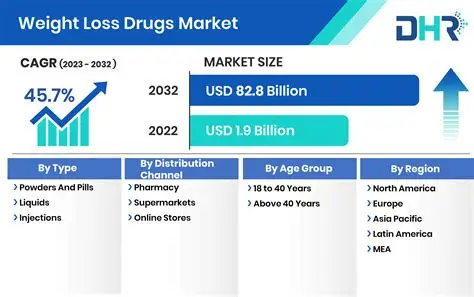
Price cuts have drawn attention in the US, where prescription drugs are notoriously expensive. Pharmaceutical companies are competing aggressively for customers in a market where adult obesity affects roughly 40% of the population.
Unlike typical negotiations behind the scenes with insurers and employers, many GLP-1 weight-loss drugs aren’t covered by insurance for weight management alone. This leaves millions, like Gonzalez, paying out of pocket and encourages companies to sell directly to consumers.
Manufacturers now offer their medications through online platforms and retail partners like Walmart and Costco, while also engaging in legal battles against competitors. Prices have dropped dramatically: a starting dose of Wegovy costs $149 a month, down from $1,600 at its 2021 launch. Zepbound vials now start at $299 a month, down from over $1,000 in 2023.
Though still higher than in other countries, prices are expected to fall further as patents expire and new, lower-cost alternatives—including oral pills—enter the market.