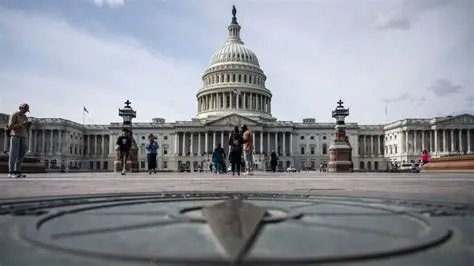
The US Senate has voted to end a partial government shutdown that lasted nearly 40 days. Lawmakers approved funding for the Department of Homeland Security (DHS), but excluded immigration enforcement agencies from the deal.
The funding bill now moves to the US House of Representatives, where lawmakers must approve it before it becomes law.
Airport Disruptions Push Urgent Action
The shutdown caused major disruptions at airports across the United States. Thousands of security workers went without pay, leading to staff shortages and long lines at checkpoints.
The Transportation Security Administration (TSA), which operates under DHS, saw around 50,000 employees working without salaries since mid-February. Many workers stopped reporting to duty, while others resigned.
At airports like Houston Airport System, operations dropped significantly. Officials reported that only one-third to half of security checkpoints remained open, causing hours-long delays for passengers.
Political Dispute Over ICE
The shutdown continued due to disagreements over the US Immigration and Customs Enforcement (ICE).
Democrats refused to approve funding without reforms to ICE policies. They raised concerns over enforcement practices and called for stricter oversight.
To break the deadlock, lawmakers removed ICE and some border protection funding from the bill. This compromise allowed the Senate to pass the measure unanimously.
Leaders React to the Deal
President Donald Trump said he would sign an executive order to ensure TSA workers receive immediate payment.
Senate Majority Leader John Thune criticized the situation, stating that lawmakers should not fund DHS in separate parts.
Meanwhile, Minority Leader Chuck Schumer highlighted that the bill includes funding for key agencies such as the TSA, Coast Guard, and disaster response services.
Rising Concerns Over ICE Actions
Controversy surrounding ICE operations added pressure to the negotiations. Incidents in Minneapolis involving fatal shootings increased calls for reform.
Democrats proposed several changes, including:
- Ending the use of masks by ICE agents
- Banning racial profiling
- Requiring judicial warrants before entering private property
These demands played a major role in shaping the final agreement.
What Happens Next
The funding bill now heads to the House of Representatives. If approved, it could restore normal operations at airports and bring relief to thousands of unpaid workers.
The situation highlights how political disagreements can directly impact essential services and everyday travel.