U.S.-Iran Conflict Deepens After Tanker Incident in Strait of Hormuz
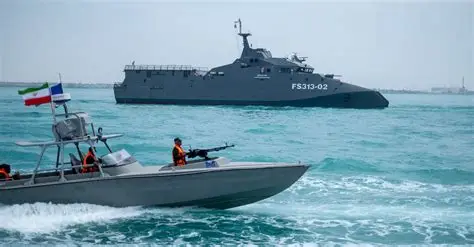
Tensions between the United States and Iran intensified after U.S. military forces opened fire on two Iran-flagged oil tankers near the Strait of Hormuz. The confrontation came as Washington continued pushing for a peace agreement with Tehran while warning that further violations could trigger a stronger military response.
The latest incident has increased fears of wider instability across the Middle East and raised concerns over disruptions to global oil supplies. International leaders are now calling for restraint as diplomatic negotiations remain uncertain.
U.S. Forces Intercept Iran-Flagged Tankers
According to U.S. officials, American military forces engaged two Iranian oil tankers on Friday after they allegedly attempted to dock at an Iranian port despite restrictions imposed under a U.S. blockade in the region.
The Strait of Hormuz remains one of the world’s most strategically important waterways because a large portion of global oil exports passes through the narrow channel every day. Any military activity in the area immediately impacts global energy markets and international trade routes.
Officials claimed the tanker movements violated existing maritime restrictions linked to the ongoing conflict between Washington and Tehran. The situation quickly escalated, increasing concerns over another possible military confrontation in the Gulf region.
Despite the exchange, American authorities insisted that the current ceasefire agreement with Iran technically remains active.
Trump Warns Iran Over Peace Deal
President Donald Trump stated that the ceasefire between the United States and Iran was “still in effect,” but he also delivered a strong warning to Tehran.
Trump said the U.S. would respond “a lot harder” if Iran rejected diplomatic efforts or continued aggressive actions in the region. His remarks signaled that Washington is attempting to balance military pressure with ongoing peace negotiations.
The administration continues to push for a formal response from Iran regarding a proposed peace framework designed to reduce hostilities and stabilize the region.
The president’s comments reflected growing frustration within Washington as tensions continue despite international pressure for de-escalation.
Rubio Says U.S. Awaits Iran’s Response
Secretary of State Marco Rubio confirmed that the United States is waiting for Iran’s official reaction to the latest peace proposal.
Rubio said American officials hope Tehran will deliver a “serious offer” that could help prevent further conflict. However, he stopped short of giving details about the contents of the proposal.
Diplomatic sources believe the negotiations involve several key issues, including:
- Maritime security in the Persian Gulf
- Limits on military operations
- Sanctions relief discussions
- Regional security guarantees
- Nuclear-related concerns
The Biden-era tensions between both nations have evolved into a broader regional standoff involving military deployments, economic sanctions, and strategic energy routes.
Analysts believe the coming days could determine whether diplomatic channels remain open or whether the crisis moves toward another dangerous escalation.
United Nations Urges Restraint
The United Nations expressed concern after reports emerged about the exchange involving the Iranian tankers.
U.N. Secretary-General Antonio Guterres called for “maximum restraint” from all sides to avoid worsening the situation. Officials warned that additional military activity in the Strait of Hormuz could undermine diplomatic efforts currently underway.
The U.N. stressed that this moment represents a critical opportunity for de-escalation rather than confrontation.
Iran’s ambassador to the United Nations also addressed the crisis in letters sent to the Security Council and the secretary-general. Tehran argued that recent American actions in the Persian Gulf could create “catastrophic” consequences extending beyond the Middle East.
Iran urged international organizations to pressure Washington into avoiding further military provocations.
Fresh U.S. Sanctions Target Iran Network
Alongside military actions, the United States announced a new wave of sanctions targeting individuals and companies allegedly linked to Iran’s missile and drone programs.
The U.S. Treasury Department imposed sanctions on 10 individuals and organizations accused of helping Iran obtain weapons materials and military technology.
Authorities claimed several companies located in:
- China
- Hong Kong
- Belarus
- Dubai
acted as intermediaries supporting Iran’s defense sector.
American officials specifically accused these networks of helping Iran acquire materials connected to the Shahed-series drones and ballistic missile systems.
One company allegedly attempted to assist Iran in securing weapons purchases worth millions of dollars.
Treasury Secretary Scott Bessent said the sanctions aim to block foreign entities from supplying Iran’s military infrastructure. Rubio also stated that Washington would continue targeting organizations supporting Tehran’s defense industry.
The sanctions increase economic pressure on Iran at a time when diplomatic negotiations remain fragile.
Global Energy Markets Face Uncertainty
The confrontation in the Strait of Hormuz immediately raised fears across global energy markets.
Oil traders remain highly sensitive to developments in the Persian Gulf because nearly one-fifth of the world’s oil shipments travel through the region. Any disruption can trigger rapid increases in fuel prices worldwide.
Several Asian nations have already started preparing contingency plans in response to the growing instability.
Economic experts warned that prolonged conflict could lead to:
- Higher fuel prices
- Supply chain disruptions
- Increased shipping costs
- Market instability
- Inflationary pressure on global economies
Countries heavily dependent on imported fuel are expected to face the greatest economic challenges if tensions continue rising.
Southeast Asian Nations Prepare Emergency Measures
Leaders from Southeast Asia adopted a regional crisis plan aimed at reducing the economic impact of the Iran conflict.
The agreement focused heavily on energy security and emergency fuel preparedness.
The proposed measures include:
- Coordinated fuel-sharing systems
- Development of regional fuel reserves
- Expansion of power grid cooperation
- Diversification of crude oil suppliers
- Promotion of electric vehicles
- Research into civilian nuclear energy options
Several governments acknowledged that implementing these plans would require major regional coordination and long-term investment.
The Philippines, which hosted the summit, reportedly pushed for urgent action because rising fuel prices have already affected many households and businesses across the region.
Asian economies remain particularly vulnerable to instability in Middle Eastern energy markets due to their heavy reliance on imported oil.
Strait of Hormuz Remains Global Flashpoint
The Strait of Hormuz continues to serve as one of the most sensitive geopolitical hotspots in the world.
Located between Iran and Oman, the narrow waterway has repeatedly become the center of international tensions involving oil shipments, military patrols, and regional security disputes.
Over the years, several incidents involving tanker seizures, drone attacks, and naval confrontations have highlighted the strategic importance of the route.
Military experts warn that even small confrontations in the area can quickly escalate into larger regional conflicts involving multiple countries.
The latest tanker incident has once again demonstrated how fragile the security situation remains.
Diplomatic Pressure Intensifies
International leaders are now increasing pressure on both Washington and Tehran to avoid actions that could trigger another major military conflict.
Many governments fear that continued escalation could destabilize not only the Middle East but also global economic recovery efforts.
Diplomatic observers believe the next phase of negotiations will be critical. If Iran rejects the current peace proposal or if military incidents continue in the Gulf, tensions could rise rapidly.
At the same time, analysts note that neither side appears eager for a full-scale war. Instead, both governments seem focused on using military pressure and economic leverage to strengthen their negotiating positions.
For now, the ceasefire remains officially active, but the latest developments suggest that the situation remains highly unstable.
Key Developments at a Glance
- U.S. forces fired on two Iran-flagged oil tankers near the Strait of Hormuz
- Washington says the tankers violated a regional blockade
- President Trump warned Iran against rejecting peace efforts
- Marco Rubio confirmed the U.S. is awaiting Iran’s response to a peace proposal
- The United Nations called for restraint and de-escalation
- New American sanctions targeted Iran-linked drone and missile networks
- Southeast Asian nations introduced emergency fuel and energy plans
- Global oil markets remain on alert amid fears of supply disruptions