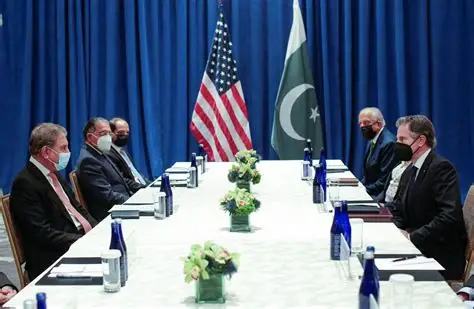
Pakistan Expresses Optimism Over Possible US-Iran Agreement
Pakistan has signaled growing optimism that a diplomatic agreement between the United States and Iran could be reached soon as regional efforts to reduce tensions continue.
Pakistani officials said they expect progress “sooner rather than later,” reflecting Islamabad’s increasingly active role in facilitating communication between Washington and Tehran during one of the region’s most sensitive geopolitical crises.
The latest comments come amid rising international concern over regional security, global oil supplies, and the possibility of broader economic fallout linked to the ongoing conflict.
Pakistan Expands Its Diplomatic Role
Over recent months, Pakistan has positioned itself as an important diplomatic intermediary between the United States and Iran.
Islamabad hosted direct talks between representatives from both countries in April. Although those negotiations did not immediately produce a formal agreement, officials said the discussions helped extend an earlier ceasefire arrangement and kept diplomatic channels open.
Pakistani authorities have also reportedly continued passing messages between both governments outside formal meetings in an effort to maintain dialogue and reduce tensions.
The country’s growing mediation role highlights its strategic importance in regional diplomacy, particularly given its relationships with both Washington and Tehran.
Foreign Office Signals Hope for Agreement
During a weekly media briefing in Islamabad, Foreign Office spokesman Tahir Andrabi expressed confidence that negotiations were moving in a positive direction.
“We remain optimistic,” Andrabi told reporters, adding that Pakistan expects an agreement to emerge “sooner rather than later.”
He emphasized that Islamabad hopes both sides will achieve a peaceful and sustainable resolution that contributes to regional and international stability.
The statement reflects Pakistan’s continued support for diplomatic engagement rather than military escalation.
Strait of Hormuz Remains a Major Concern
The ongoing conflict between the United States and Iran has intensified fears surrounding security in the Strait of Hormuz, one of the world’s most important oil transit routes.
Roughly one-fifth of global oil supplies pass through the narrow waterway, making any instability in the region a major concern for international markets.
Energy analysts warn that prolonged tensions could lead to:
- Oil supply disruptions
- Higher global fuel prices
- Increased shipping costs
- Inflationary pressure on economies
- Broader financial market instability
Governments across Asia and Europe continue monitoring developments closely because many economies remain heavily dependent on energy shipments traveling through the Gulf region.
Reports Suggest Draft Agreement Is Near
Media reports earlier this week suggested that American and Iranian negotiators were moving closer to a brief memorandum aimed at ending the conflict.
Some reports described the proposal as a possible one-page framework agreement designed to establish conditions for de-escalation and future negotiations.
However, Pakistani officials avoided discussing the details of any draft document.
When asked about the reports during Thursday’s briefing, Andrabi declined to confirm the structure or content of the proposal.
“I do not know whether it is a one-page document or a two-page document,” he said, adding that the final format would depend on the parties directly involved in the talks.
His cautious response highlighted the sensitivity surrounding ongoing negotiations.
Trump Says Deal Is “Very Possible”
Donald Trump also expressed optimism about the diplomatic process.
Speaking on Wednesday, Trump said a deal with Iran was “very possible” after what he described as productive discussions over the previous 24 hours.
His comments added to growing speculation that negotiations may be entering a more advanced stage.
The United States has continued balancing diplomatic outreach with economic and military pressure during the negotiations.
Recent sanctions and military tensions in the Gulf have complicated the situation, but both sides appear interested in preventing a wider regional conflict.
Iran Reviews American Proposal
Iranian officials also confirmed that Tehran is reviewing a proposal submitted by the United States.
Esmail Baghaei stated that Iran would communicate its official response through Pakistan, further underlining Islamabad’s role as a mediator in the talks.
The decision to use Pakistan as an intermediary demonstrates the level of trust both parties currently place in Islamabad’s diplomatic efforts.
Iran has repeatedly stated that it prefers a negotiated settlement while also insisting on protecting its national interests and regional influence.
Analysts believe Tehran will carefully evaluate any proposal involving sanctions relief, military guarantees, and regional security arrangements.
Pakistan Pushes for Regional Stability
Pakistan has consistently advocated diplomatic solutions to regional disputes, particularly those that could destabilize neighboring countries or disrupt global trade routes.
The government remains concerned about the broader consequences of prolonged conflict in the Middle East.
Regional instability could directly affect:
- Energy prices in South Asia
- International shipping routes
- Economic recovery efforts
- Trade activity
- Regional security conditions
Pakistani officials have therefore continued encouraging dialogue and peaceful negotiation between all parties involved.
Islamabad’s mediation efforts have also enhanced its diplomatic visibility on the international stage.
Somali Pirate Hostage Issue Still Ongoing
During the same briefing, Andrabi addressed another international concern involving Pakistani nationals reportedly being held by Somali pirates.
He said Pakistan continues working to secure their release, although authorities have not achieved a major breakthrough yet.
According to the Foreign Office, Pakistan’s embassy in Tripoli, which also handles diplomatic responsibilities related to Somalia, remains in regular contact with Somali authorities.
Officials reportedly assured Islamabad that negotiations with the pirates remain active and ongoing.
Pakistan said it remains committed to securing the safe release of all detained individuals.
Diplomatic Momentum Continues to Build
International observers believe recent developments suggest growing momentum toward a possible diplomatic breakthrough between Washington and Tehran.
Several governments have increased calls for restraint in recent weeks as fears of military escalation and economic disruption intensified.
Although major disagreements likely remain unresolved, analysts say continued communication itself represents meaningful progress after months of tension.
Pakistan’s role in maintaining dialogue channels could prove especially important if formal negotiations continue expanding.
Key Developments at a Glance
- Pakistan says a US-Iran agreement could happen “sooner rather than later”
- Islamabad has helped facilitate communication between Washington and Tehran
- Pakistan hosted direct talks between both sides in April
- The Strait of Hormuz remains a major global energy concern
- Donald Trump said a deal with Iran is “very possible”
- Iran confirmed it is reviewing a US proposal through Pakistan
- Pakistani officials declined to discuss details of any draft agreement
- Pakistan is also continuing efforts to secure the release of citizens held by Somali pirates
Outlook for the Region
The coming days may prove critical for diplomatic efforts involving the United States and Iran.
Although tensions remain high, public comments from officials on all sides suggest negotiations are continuing behind the scenes.
A successful agreement could ease fears of wider regional conflict, stabilize energy markets, and reduce pressure on global economies already dealing with inflation and supply chain uncertainty.