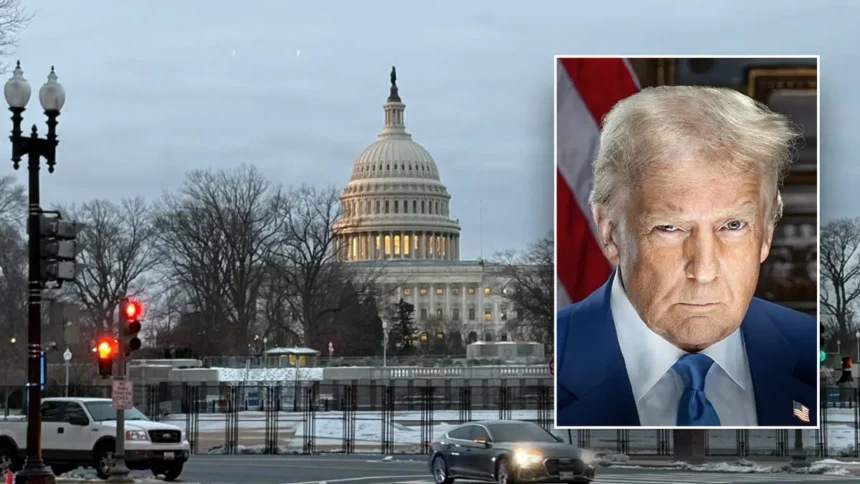
Trump Dominates GOP in Powerful Political Shift That Could Shape 2026 Elections
Trump dominates GOP once again, tightening his control over Republican politics in a way that reshapes party loyalty and intensifies debate over the party’s future direction. His growing influence over primaries and party leadership decisions has strengthened unity among supporters but also raised concerns about long-term electoral risks heading into 2026.
Recent political developments show how firmly Donald Trump continues to command the Republican base. His ability to influence candidate selection, punish dissenters, and reward loyalists has turned party primaries into key battlegrounds for political survival.
H2: Trump Dominates GOP Through Primary Election Pressure
Donald Trump has reinforced his influence over Republican lawmakers by backing candidates who support his political agenda and opposing those who challenge it. This strategy has reshaped internal party politics, especially in tightly contested primary races.
Several state-level elections demonstrate how Trump-backed efforts can shift outcomes. Lawmakers who opposed Trump-aligned policies faced strong political pressure, while loyal candidates received support from his political network.
Key outcomes of Trump’s GOP influence
- Trump-aligned candidates gained advantage in contested primaries
- Several incumbents who opposed party leadership lost support
- Republican lawmakers increased alignment with Trump’s policy positions
- Party discipline strengthened through electoral pressure
- Internal GOP divisions became more visible during state races
These developments show how party loyalty has become a defining factor in Republican elections.
H2: Trump Dominates GOP by Enforcing Party Loyalty
Trump’s political approach has focused heavily on enforcing loyalty among elected Republicans. His endorsements and public statements have carried significant weight in determining the fate of party members who disagree with him.
Lawmakers who challenge his positions often face political consequences in their districts, particularly during primary elections where voter turnout tends to be lower and more ideologically driven.
Supporters of Trump argue that this strategy strengthens party unity and ensures consistent messaging. Critics argue that it reduces independent decision-making among elected officials.
A senior political adviser explained the strategy by stating that party leaders have the authority to guide voting decisions and shape party direction. This view reinforces Trump’s position as the central figure in Republican decision-making.
H2: Trump Dominates GOP Raises Concerns About 2026 Elections
While Trump’s influence has strengthened party cohesion among supporters, political analysts warn that it could create challenges in the 2026 election cycle.
The Republican Party faces a complex political environment, where national popularity, voter turnout, and independent voters will play major roles in determining election outcomes.
Some analysts believe that strict internal control could:
- Limit candidate diversity within the party
- Increase polarization among voters
- Reduce appeal to moderate or independent voters
- Create internal conflicts in competitive districts
- Strengthen opposition messaging in national races
Despite these concerns, Trump’s supporters argue that strong leadership improves electoral discipline and prevents internal fragmentation.
H2: Trump Dominates GOP Through Political Strategy and Messaging
Trump’s political strategy continues to rely on direct communication with voters, strong media presence, and high-profile endorsements. His influence extends beyond official party structures, shaping public opinion and campaign dynamics across multiple states.
Political observers note that his messaging often focuses on loyalty, political identity, and party unity. This approach has helped him maintain strong influence over Republican voters even outside formal office.
Key elements of his strategy include:
H3: Strong endorsement power
Trump-backed candidates often gain momentum in early polling and fundraising.
H3: Focus on party loyalty
Public support is frequently tied to alignment with Trump’s political positions.
H3: Primary election influence
Trump’s involvement in primaries has become a decisive factor in candidate selection.
H3: High voter engagement
Supporters remain highly active in state and national elections.
H2: Internal GOP Tensions Increase as Trump Dominates Party Structure
Trump’s leadership style has created a clear divide within the Republican Party. Supporters view his influence as necessary for political strength, while critics warn that it may limit internal debate and strategic flexibility.
Some lawmakers have privately expressed concern about losing political independence. Others argue that aligning with Trump remains essential for electoral success.
The tension reflects a broader struggle within the party over identity, leadership, and long-term strategy.
H2: Political Analysts Warn of Long-Term Risks
Experts studying electoral trends suggest that strong centralized influence within a political party can produce both advantages and risks.
Potential benefits include:
- Unified messaging during elections
- Strong voter mobilization
- Clear leadership direction
Potential risks include:
- Reduced appeal to swing voters
- Dependence on a single political figure
- Internal conflict during leadership transitions
- Limited policy flexibility
These factors could play a major role in shaping the Republican Party’s performance in 2026 and beyond.
H2: Trump Dominates GOP as Party Faces Defining Political Moment
Trump dominates GOP at a critical moment for Republican strategy and national elections. His continued influence ensures strong alignment among supporters, but it also intensifies debate over how the party should position itself for future elections.
As 2026 approaches, the Republican Party faces a defining question: whether strong centralized leadership will continue to deliver electoral success or create long-term challenges in a changing political landscape.
Conclusion
Donald Trump’s control over Republican primaries and party dynamics has become one of the most influential forces in American politics. While his leadership strengthens loyalty and unity among supporters, it also raises important questions about balance, independence, and electoral strategy moving forward.
The coming election cycle will test whether this level of influence strengthens the party—or exposes deeper structural weaknesses.