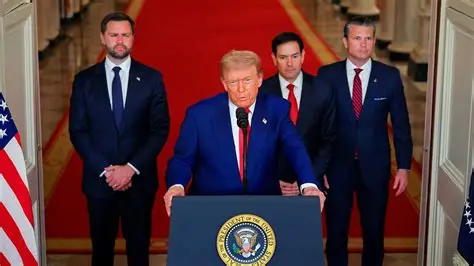
DONALD TRUMP has delayed a potential strike on Iran’s energy infrastructure by another 10 days. This decision could shape the direction of a conflict that has already stretched close to a month.
Trump often uses deadlines as strategic tools. He signals intent, shifts attention, and creates time for both political and military moves. This latest pause follows a similar pattern.
A Move to Ease Tensions or Manage Markets?
The proposed attack on Iran’s energy facilities would mark a major escalation. It could trigger retaliation against Gulf oil sites and disrupt global markets.
Trump announced the delay shortly after trading closed on Wall Street. This timing suggests he may want to calm investors and avoid sudden market reactions.
At the same time, the delay allows the White House to push diplomatic efforts and present the possibility of a peaceful outcome.
Diplomatic Channels Remain Open
Backchannel talks between the United States and Iran continue through intermediaries, including Pakistan. Officials have discussed the possibility of a meeting, though expectations remain low.
Diplomats describe the situation as uncertain. Both sides continue to present strong demands, and no clear breakthrough has emerged yet. Still, Trump insists that discussions are ongoing and positive.
Military Preparations Continue
While diplomacy unfolds, the United States is strengthening its military presence in the region. Around 2,000 Marines are moving from Japan, while thousands of paratroopers are deploying from California.
The Pentagon has not confirmed reports that an additional 10,000 troops could join them. These movements suggest that the US is preparing for multiple scenarios.
The delay gives time to assemble forces and plan operations, whether for deterrence or direct action.
Strategic Pressure on Iran
Trump may aim to pressure Iran into negotiations. By combining threats with delays, he signals that stronger action could follow if no agreement is reached.
He warned that failure to reach a deal would bring severe consequences, reinforcing the message of escalation.
Ongoing Conflict and Global Impact
Despite the pause, military strikes continue. Both sides remain engaged, and tensions stay high.
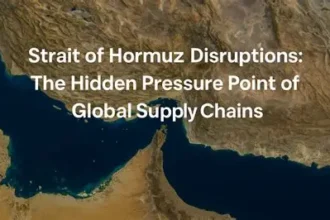
The Strait of Hormuz remains largely closed to commercial shipping. This disruption threatens global energy supplies and economic stability.
The conflict has shifted focus. What began as a broader strategic objective now centers on control of a critical trade route that affects the entire world economy.
A Defining Moment Ahead
Trump’s decision creates a short window for diplomacy but also leaves room for escalation. The next 10 days could determine whether the conflict moves toward negotiation or deeper military involvement.