President Donald Trump has seen a steady drop in public support since returning to the White House in January. While second-term presidents often face declining approval, current trends show deeper concerns tied to rising living costs and economic pressure.
Recent election data highlights this shift. According to The Downballot, Democrats performed about 13% better in special elections during 2025 compared to the same districts in the 2024 presidential race. This change signals growing voter frustration.
1. Rising Prices Are Hurting Public Confidence
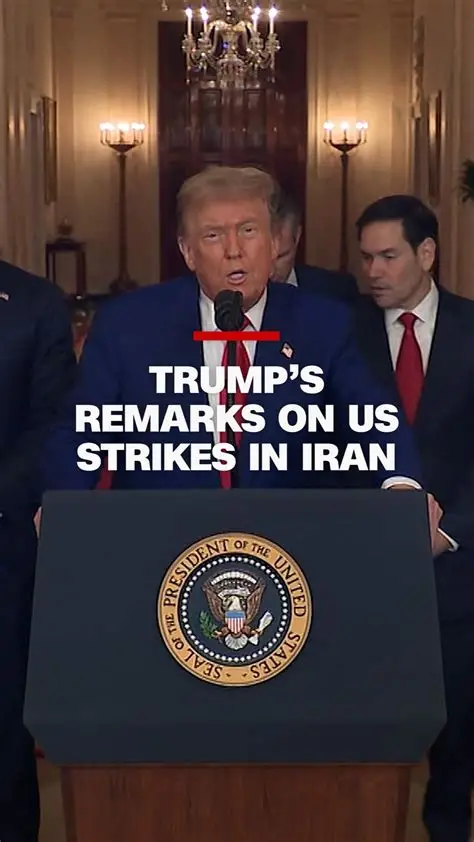
The ongoing conflict in Iran has pushed economic concerns to the forefront. Fuel prices have surged, with petrol averaging nearly $4 per gallon just weeks into the war.
Polling from Ipsos shows that Trump’s economic approval dropped from 43% at the start of his term to 35% by June 2025. It later declined further to 29%, reflecting widespread dissatisfaction.
These numbers are lower than those recorded during the presidency of Joe Biden, even when inflation peaked after the pandemic.
2. Approval Ratings Continue to Slide
Trump began his second term with 52% approval, according to analysis by Nate Silver. However, support quickly weakened.
By late February, approval dropped to 42%. It has now slipped to around 40%, placing Trump in a risky position ahead of midterm elections.
Lower approval ratings can limit a president’s ability to pass policies and maintain political momentum.
3. Iran War Adds Political Risk
The Iran war has intensified economic pressure and raised concerns among voters. Although Trump’s core supporters remain loyal, broader public opinion shows resistance to military involvement.
Data from Pew Research Center indicates that many Americans opposed intervention from the beginning.
If the conflict continues, it may further disrupt global markets, increase costs, and weaken voter confidence.
What This Means for Upcoming Elections
Political leaders discussed these risks at the Conservative Political Action Conference. Republican figures stressed the importance of maintaining control in upcoming elections.
Michael Whatley warned that losing power could shift the political agenda and lead to investigations and policy reversals.
With midterm elections approaching, economic performance and public sentiment will likely play a decisive role.