U.S. Gas Prices Surge as Americans Struggle With Rising Fuel Costs
The latest wave of fuel inflation has created financial stress for millions of households as U.S. gas prices surge to some of the highest levels seen in years. Drivers across the country are now paying significantly more at the pump, forcing many families to rethink their budgets, travel plans, and daily routines.
From students commuting to university to workers driving long distances each day, the rising cost of gasoline has quickly become one of the biggest economic pressures facing Americans in 2026.
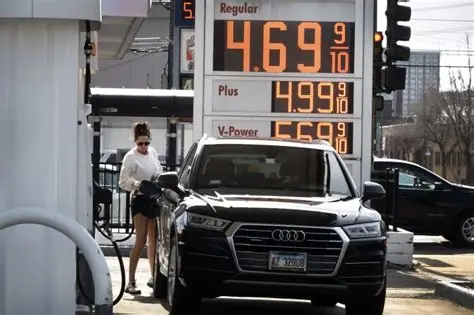
The national average for regular gasoline climbed above $4.50 per gallon this week, marking a dramatic increase compared with prices earlier this year. Diesel costs have also risen sharply, raising concerns about broader price increases for goods transported across the country.
U.S. Gas Prices Surge Across the Country
The sharp rise in fuel costs has affected nearly every state, although some regions are experiencing far higher prices than others.
California currently reports the highest average gasoline prices in the nation, with some drivers paying more than $6 per gallon. Other states across the Midwest and Northeast are also seeing steep increases.
The reasons behind why U.S. gas prices surge include:
- Global energy market instability
- Geopolitical conflict involving Iran
- Supply chain concerns
- Higher transportation costs
- Oil market uncertainty
Energy experts warn that fuel costs could remain elevated for several more months depending on global developments.
Families Feel Financial Pressure as U.S. Gas Prices Surge
For many Americans, the impact of rising fuel prices extends far beyond inconvenience.
Households already dealing with inflation, housing expenses, and food costs are now struggling to manage transportation expenses as well.
Melissa Miles, a university student and single mother from Michigan, described how the situation has forced difficult financial decisions.
Miles commutes nearly 80 miles between her home and school several times a week. With gasoline prices climbing, she now weighs whether attending certain classes is financially possible.
Her experience reflects the reality many Americans face as U.S. gas prices surge nationwide.
Daily Life Changes as U.S. Gas Prices Surge
The increase in fuel costs has started changing everyday behavior across the country.
Many drivers are now:
- Reducing unnecessary travel
- Combining errands into single trips
- Working remotely when possible
- Delaying vacations
- Using public transportation more frequently
Some students and workers have even adjusted schedules to minimize commuting costs.
These changes highlight how fuel prices can influence broader economic and social patterns.
Diesel Costs Rise Alongside Gasoline Prices
While gasoline prices receive most public attention, diesel prices are also creating serious economic concerns.
Diesel fuels:
- Freight trucks
- Delivery services
- Agricultural equipment
- Rail transportation
As diesel becomes more expensive, businesses often pass higher transportation costs onto consumers.
That means rising fuel costs may contribute to additional price increases for groceries, household goods, and retail products.
Economists warn that inflationary pressure could intensify if energy markets remain unstable.
U.S. Gas Prices Surge After Global Conflict Escalates
The current energy crisis accelerated after conflict in the Middle East disrupted global oil markets earlier this year.
Oil traders responded to fears surrounding:
- Supply disruptions
- Shipping concerns
- Regional instability
- Potential production reductions
Because oil prices heavily influence gasoline costs, drivers quickly began seeing higher prices at local gas stations.
Although diplomatic negotiations continue internationally, market analysts believe uncertainty will likely keep fuel costs elevated in the near future.
Drivers Express Frustration Over Rising Costs
Across the country, many motorists have expressed growing frustration as U.S. gas prices surge.
Daniel Hock, a California resident, explained that fuel costs now consume a significant percentage of his weekly income.
The university admissions adviser said he spends approximately $100 each week on gasoline alone.
For many workers, transportation has become one of the fastest-growing monthly expenses.
Drivers are especially concerned because higher fuel prices arrive alongside rising costs for:
- Rent
- Food
- Insurance
- Utilities
- Healthcare
Economic Experts Predict Long Recovery
Some analysts believe gas prices may eventually decline, but they do not expect a rapid return to previous levels.
Economists forecast that average gasoline prices could remain above pre-crisis levels throughout much of 2026.
Even if markets stabilize later in the year, many experts predict Americans will continue paying more for fuel compared with previous years.
Higher energy prices often affect the economy long after oil markets calm because transportation costs influence multiple industries.
Why U.S. Gas Prices Surge Impacts the Entire Economy
When U.S. gas prices surge, the effects spread far beyond drivers filling up their cars.
Fuel costs influence:
- Retail pricing
- Airline fares
- Shipping expenses
- Manufacturing costs
- Food distribution networks
Because transportation supports nearly every part of the economy, prolonged fuel inflation can slow consumer spending and increase financial stress nationwide.
Businesses may also face difficult decisions involving staffing, pricing, and operational expenses.
Americans Adjust Household Budgets
Families across the country are making budget changes to cope with rising transportation costs.
Many households now prioritize:
- Essential purchases only
- Reduced discretionary spending
- Fewer entertainment expenses
- Lower travel activity
- Carpooling arrangements
Financial advisers recommend drivers monitor fuel usage carefully and avoid unnecessary driving whenever possible.
For lower-income households, however, transportation often remains unavoidable due to work, school, and childcare responsibilities.
Key Facts as U.S. Gas Prices Surge
Current National Average
- Regular gasoline: approximately $4.55 per gallon
- Diesel fuel: approximately $5.66 per gallon
Major Concerns
- Increased commuting costs
- Higher shipping expenses
- Inflation pressure
- Household financial stress
Hardest-Hit Areas
- California
- Midwest commuter regions
- Long-distance suburban communities
Political Debate Intensifies Over Fuel Prices
The sharp increase in fuel costs has also intensified political debate in the United States.
Government officials continue discussing:
- Energy policy
- Strategic oil reserves
- International negotiations
- Domestic fuel production
- Economic relief measures
Voters increasingly view fuel prices as a major economic issue because gasoline directly affects everyday living costs.
Political pressure may continue growing if prices remain elevated through the summer travel season.
U.S. Gas Prices Surge While Consumers Seek Relief
Despite concerns, many drivers hope fuel costs will eventually ease if global tensions stabilize and oil production improves.
However, experts caution that energy markets remain highly unpredictable.
Factors that could influence future prices include:
- International diplomacy
- Oil production decisions
- Weather disruptions
- Seasonal travel demand
- Economic growth trends
Until conditions improve, millions of Americans will continue adjusting their budgets to manage rising transportation expenses.
Final Thoughts on Why U.S. Gas Prices Surge
The reality that U.S. gas prices surge to multi-year highs is placing enormous financial pressure on households across the country.
Drivers are paying significantly more to commute, transport families, and complete daily tasks. Rising diesel prices are also increasing concerns about broader inflation and future economic challenges.
For many Americans, the impact goes beyond inconvenience. Higher fuel costs are reshaping spending habits, travel decisions, and even educational opportunities.
As global energy uncertainty continues, consumers remain hopeful that fuel prices will eventually stabilize, but economists warn that relief may take time.