



Portugal May Heat Record: 7 Key Facts as Europe Endures a Powerful Heatwave
Europe is experiencing one of its earliest and most intense heatwaves of the year, with the Portugal May heat record becoming the latest sign of rising temperatures across the continent.
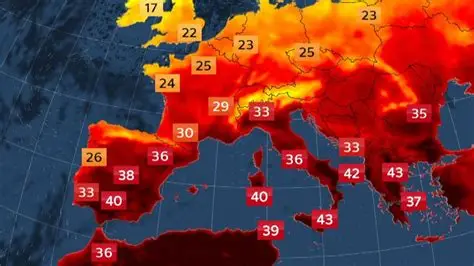
Portugal officially registered its hottest May day on record when temperatures reached 40.3C in the central town of Mora. The milestone surpassed the previous national May record of 40C set more than two decades ago and highlighted the severity of the ongoing heatwave affecting several European countries.
From France and Italy to Spain, Germany, and Switzerland, authorities are responding to soaring temperatures, public health concerns, and increased risks of drought and wildfires.
Key Takeaways
- Portugal recorded a new May temperature record of 40.3C.
- The previous record of 40C had stood since 2001.
- Several European countries are experiencing unusually hot weather.
- France is reviewing its heatwave preparedness plans.
- Italy issued heat alerts for major cities, including Rome.
- Schools and public services have been affected by extreme temperatures.
- Experts warn that heatwaves are becoming more frequent and intense.
Portugal Sets a New May Heat Record
The Portugal May heat record was established in Mora, a town located in the country’s central region, where temperatures climbed to 40.3C.
Meteorologists described the event as highly unusual for May, a month that traditionally experiences much milder conditions. The previous record of 40C was set in May 2001, meaning the new mark represents the hottest May temperature ever recorded in Portugal.
Weather experts noted that several parts of the country have experienced temperatures significantly above seasonal averages.
Forecasts indicate that some areas may continue to see temperatures exceeding 35C before conditions gradually improve.
Heatwave Spreads Across Western Europe
The extreme weather is not limited to Portugal.
Large portions of Western Europe have been dealing with unusually high temperatures, creating challenges for governments, emergency services, and local communities.
Countries experiencing significant impacts include:
- Portugal
- France
- Italy
- Spain
- Germany
- Switzerland
Meteorologists have attributed the heatwave to a persistent high-pressure system that has trapped warm air across much of the region.
As a result, temperatures in many locations have risen far above historical averages for late spring.
France Reviews Heatwave Preparedness
The Portugal May heat record comes as French authorities evaluate their readiness for future heat-related emergencies.
Government officials recently held meetings focused on:
- Wildfire prevention
- Water resource management
- Public health protection
- Emergency response planning
The discussions reflect growing concerns about increasingly frequent periods of extreme heat.
Officials are particularly focused on protecting vulnerable populations, including older adults, children, and people with underlying health conditions.
France has experienced several deadly heatwaves in recent decades, prompting authorities to improve preparedness measures.
Schools Struggle With Extreme Temperatures
Educational institutions across parts of France have been among the hardest-hit locations during the current heatwave.
Several schools reported indoor temperatures reaching uncomfortable and potentially unsafe levels.
In one primary school, temperatures reportedly climbed above 50C inside classrooms, forcing administrators to temporarily suspend activities.
Teachers and staff have been forced to implement emergency measures, including:
- Moving classes to shaded areas
- Using portable fans
- Adjusting schedules
- Increasing hydration breaks
Despite the challenges, major national examinations have continued according to schedule.
The situation has sparked debate about whether schools are adequately equipped to handle increasingly extreme weather conditions.
Italy Issues Heat Alerts
Italy has also been impacted by the ongoing European heatwave.
Authorities issued red heat alerts in several regions, including the capital city, Rome.
While temperatures in Rome reached around 32C, weather officials warned that prolonged exposure to heat could increase health risks.
Public health agencies encouraged residents and tourists to:
- Stay hydrated
- Avoid strenuous outdoor activities
- Seek shaded or air-conditioned environments
- Check on vulnerable family members
The warnings come as millions of visitors travel throughout Italy during the busy tourism season.
Climate Experts Warn of a Growing Trend
The Portugal May heat record is part of a broader pattern of rising temperatures observed across Europe in recent years.
Climate researchers have consistently reported that heatwaves are:
- Occurring more frequently
- Lasting longer
- Reaching higher temperatures
- Affecting wider geographic areas
Many experts believe that climate change is increasing the likelihood of record-breaking heat events.
Warmer global temperatures create conditions that make extreme weather episodes more intense and more common than they were in previous decades.
This trend has raised concerns among policymakers and environmental organizations throughout Europe.
Economic and Environmental Impact
Heatwaves affect more than just public health.
Extreme temperatures can have significant consequences for:
Agriculture
Farmers face challenges including:
- Reduced crop yields
- Water shortages
- Heat stress on livestock
Energy Demand
As temperatures rise, electricity consumption often increases due to higher air-conditioning use.
This can place additional pressure on energy infrastructure.
Tourism
Although sunny weather attracts visitors, extreme heat can discourage outdoor activities and affect tourist experiences.
Wildfire Risk
Dry conditions combined with high temperatures create favorable conditions for wildfires.
Authorities in several countries remain on high alert as the heatwave continues.
Public Health Concerns Continue
Health experts warn that heat-related illnesses can affect anyone but pose particular risks for vulnerable groups.
Potential health risks include:
- Heat exhaustion
- Heatstroke
- Dehydration
- Respiratory complications
- Cardiovascular stress
Medical professionals recommend taking preventive measures during periods of extreme heat.
Simple actions such as drinking water regularly, limiting outdoor exposure during peak temperatures, and seeking cooler environments can significantly reduce risks.
What Happens Next?
Weather forecasts suggest that some areas of Portugal may begin to experience slightly cooler temperatures in the coming days.
However, meteorologists expect warm conditions to persist across parts of Europe through the weekend.
Authorities remain vigilant as they monitor:
- Temperature trends
- Wildfire risks
- Water availability
- Public health impacts
The current heatwave serves as another reminder of the challenges posed by increasingly extreme weather conditions across Europe.
Final Thoughts
The Portugal May heat record of 40.3C marks a significant weather milestone and underscores the severity of the heatwave affecting much of Europe.
As countries grapple with soaring temperatures, strained infrastructure, and public health concerns, officials are being forced to rethink long-term strategies for adapting to more frequent extreme weather events.
While cooler conditions may eventually arrive, the record-breaking temperatures seen this spring highlight the growing importance of preparedness, climate resilience, and public awareness in an increasingly warming world.
MORE INFO ON THE NEWS INK CURRENT AFFAIRS.