



Polyendocrine Metabolic Ovarian Syndrome Becomes the New Name for PCOS in Landmark Global Change
Polyendocrine Metabolic Ovarian Syndrome (PMOS) is now the official new name for the condition previously known as Polycystic Ovary Syndrome (PCOS). The historic change aims to improve diagnosis, awareness, treatment, and long-term healthcare outcomes for more than 170 million women worldwide.
Medical experts, researchers, and patient advocacy groups worked together for over a decade to introduce a name that better reflects the true nature of the condition. The previous term, PCOS, often confused patients and even healthcare professionals because it focused mainly on ovarian cysts, despite the condition involving much more than the ovaries.
Researchers say the updated name will help people understand that the disorder affects hormones, metabolism, mental health, skin, weight, fertility, and overall wellbeing.
Why the Name Changed From PCOS to PMOS
For years, many women struggled to receive an accurate diagnosis because the old name created misconceptions. Doctors often looked only for ovarian cysts, even though many patients with the condition do not actually have cysts.
Experts now recognize that the condition involves multiple hormone-related systems throughout the body. The new term, Polyendocrine Metabolic Ovarian Syndrome, reflects these broader health effects more accurately.
The word “polyendocrine” highlights the involvement of several hormonal systems. “Metabolic” refers to the condition’s impact on weight, insulin resistance, and long-term metabolic health. The inclusion of “ovarian” acknowledges the reproductive symptoms many women experience.
Healthcare specialists believe the updated name will reduce confusion and encourage earlier diagnosis and treatment.
Understanding Polyendocrine Metabolic Ovarian Syndrome
Polyendocrine Metabolic Ovarian Syndrome is one of the most common hormonal disorders affecting women of reproductive age. Symptoms can vary greatly from person to person, which often makes diagnosis difficult.
Common Symptoms of Polyendocrine Metabolic Ovarian Syndrome
Women living with PMOS may experience:
- Irregular menstrual cycles
- Excess facial or body hair
- Acne and oily skin
- Weight gain or difficulty losing weight
- Fertility challenges
- Hair thinning
- Mood changes and anxiety
- Fatigue
- Insulin resistance
- Sleep problems
Some women develop only a few symptoms, while others experience a combination of metabolic, hormonal, and reproductive complications.
Experts Say the Old Name Caused Confusion
Researchers involved in the renaming project explained that the previous term focused too heavily on ovaries and cysts. This created misunderstandings among patients and healthcare providers.
Scientific studies have shown that women with the condition do not necessarily have abnormal ovarian cysts. Instead, they often have hormone imbalances that interfere with ovulation and metabolic function.
Because of this misunderstanding, many women experienced delayed diagnoses and inadequate treatment plans. Some patients spent years searching for answers before receiving proper medical care.
Medical professionals hope the new terminology will help doctors identify the condition earlier and take a more complete approach to treatment.
A Global Collaboration Led the Renaming Process
The transition from PCOS to Polyendocrine Metabolic Ovarian Syndrome followed 14 years of international collaboration.
More than 50 patient organizations and professional medical groups participated in the discussions. Researchers also collected over 22,000 survey responses from people affected by the condition.
The project included:
- International medical workshops
- Patient feedback sessions
- Scientific reviews
- Cultural consultations
- Public health discussions
Experts wanted a name that was scientifically accurate, easy to understand, culturally sensitive, and less stigmatizing for women worldwide.
The final decision reflected both medical evidence and patient experiences.
How PMOS Affects More Than Reproductive Health
One of the biggest reasons behind the name change is the growing understanding that the condition impacts much more than fertility.
Metabolic Health Risks Linked to PMOS
Women with Polyendocrine Metabolic Ovarian Syndrome may face higher risks of:
- Type 2 diabetes
- Insulin resistance
- High cholesterol
- Obesity
- High blood pressure
- Cardiovascular disease
Many patients also experience inflammation and long-term metabolic complications that require continuous monitoring.
Mental Health Challenges
Mental health remains another important part of the condition. Many women report:
- Anxiety
- Depression
- Low self-esteem
- Emotional stress related to symptoms
Experts believe the broader name will encourage healthcare providers to address emotional wellbeing alongside physical symptoms.
Why Early Diagnosis Matters
Doctors say early diagnosis can significantly improve quality of life. Timely treatment helps patients manage symptoms and reduce the risk of serious complications later in life.
However, delayed diagnosis remains common. Many women wait years before learning they have the condition because symptoms are frequently dismissed or misunderstood.
The introduction of the term Polyendocrine Metabolic Ovarian Syndrome may help improve awareness among both patients and healthcare professionals.
Earlier diagnosis can help women:
- Manage hormone imbalances
- Improve fertility outcomes
- Reduce metabolic risks
- Receive mental health support
- Develop healthier lifestyle habits
Treatment Options for Polyendocrine Metabolic Ovarian Syndrome
There is currently no single cure for PMOS, but treatment can effectively manage symptoms.
Doctors usually create personalized treatment plans depending on a patient’s symptoms and health goals.
Common PMOS Treatments Include
- Lifestyle and dietary changes
- Regular exercise
- Hormonal therapy
- Medications for insulin resistance
- Fertility treatments
- Mental health support
- Weight management programs
Healthcare professionals emphasize that treatment should address the whole body rather than focusing only on reproductive symptoms.
Patients Played a Major Role in the Change
Women living with the condition contributed heavily to the renaming process. Many patients said the previous term failed to reflect their daily struggles.
Advocates argued that clearer terminology could improve public understanding and reduce stigma surrounding hormonal disorders.
The inclusion of patient voices became one of the most important aspects of the project. Organizers wanted the final name to represent real experiences while supporting better healthcare outcomes.
Many patients described the decision as a major step forward for women’s health awareness.
Cultural Sensitivity Shaped the Final Decision
International experts also considered cultural differences during the process.
Some reproductive health terms carry social stigma in certain regions, which can discourage women from seeking medical care. Researchers wanted a name that would work across different healthcare systems and cultures without creating additional barriers.
This global consultation helped experts develop terminology that balances scientific accuracy with respectful communication.
The Transition to PMOS Has Already Started
Medical organizations and healthcare professionals have already started introducing the new name in research, clinical guidelines, and educational campaigns.
A three-year transition period will help healthcare systems gradually adopt the updated terminology before full implementation in future international medical guidelines.
Experts believe the change could transform how the condition is diagnosed, researched, and treated worldwide.
Key Facts About Polyendocrine Metabolic Ovarian Syndrome
Here are some important facts about PMOS:
- PMOS is the new name for PCOS
- The condition affects more than 170 million women globally
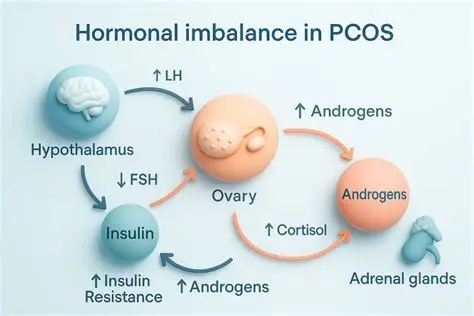
- Hormonal imbalance plays a major role in symptoms
- Many patients do not actually have ovarian cysts
- The disorder affects metabolic and mental health
- Early diagnosis can improve long-term outcomes
- Treatment focuses on symptom management and overall health
A Major Step Forward for Women’s Health
The renaming of PCOS to Polyendocrine Metabolic Ovarian Syndrome marks a major shift in women’s healthcare and medical understanding.
Experts hope the new terminology will improve awareness, reduce stigma, encourage earlier diagnosis, and support more effective treatment strategies for millions of women worldwide.
By recognizing the full complexity of the condition, healthcare providers can move toward more comprehensive and compassionate care. The change also highlights the growing importance of listening to patient experiences while shaping the future of medical research and treatment.