Global oil markets reacted sharply after Donald Trump announced that the US Navy had intercepted and seized an Iranian-flagged cargo vessel. The move intensified geopolitical tensions and triggered a significant rise in oil prices.
The benchmark Brent crude surged by more than 6%, reaching approximately $96 per barrel. This spike reversed earlier losses seen just days before, when Iran had indicated that the Strait of Hormuz would remain open for commercial shipping during a temporary ceasefire.
However, the situation quickly changed. Iranian authorities later announced the closure of the strait once again, warning that any vessel entering the area could face potential targeting. This development raised serious concerns across global energy markets.
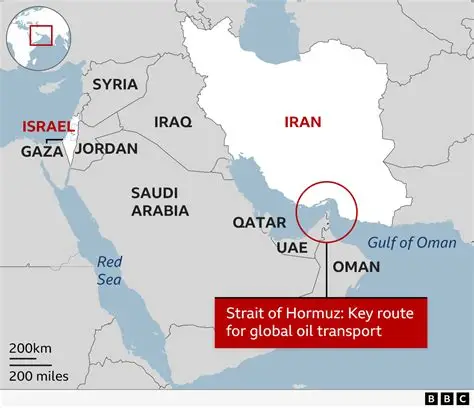
The Strait of Hormuz plays a critical role in global energy supply. Around 20% of the world’s oil and liquefied natural gas passes through this narrow route, making any disruption highly impactful for international trade and pricing.
Tensions have remained high since recent military actions involving the US and Israel against Iran, followed by strong responses from Tehran. These developments have caused ongoing uncertainty in energy markets, with prices fluctuating rapidly.
Meanwhile, diplomatic efforts appear uncertain. The US plans to send a delegation for talks, reportedly led by Vice-President JD Vance. However, Iranian officials have not confirmed their participation, leaving the future of negotiations unclear.
Market analysts suggest that oil prices are reacting more to political signals than actual supply conditions. Rapid shifts in statements from both sides have created volatility, making it difficult for investors to predict market direction.
Experts also note growing skepticism among investors, as frequent changes in geopolitical messaging have reduced confidence in short-term developments. Many now focus more on concrete actions rather than official statements.
The Strait of Hormuz remains closed for now, adding further pressure to global energy supply chains. Until a clear resolution emerges, oil markets are likely to remain unstable.
Stock markets reflected this uncertainty. European indices, including the FTSE 100, DAX, and CAC 40, opened lower. In contrast, Asian markets showed modest gains, with Japan’s Nikkei 225 and South Korea’s Kospi closing higher.
As the situation continues to evolve, global markets remain highly sensitive to developments in this critical region.