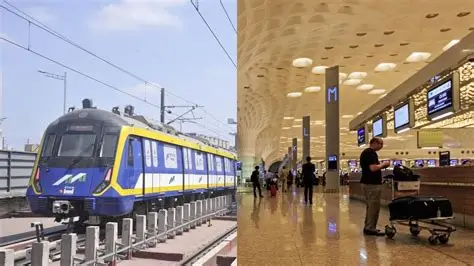
Mumbai’s Aqua Line empties out early on weekday evenings. Commuters deboard at a final station resembling a barren Soviet outpost, far from the city’s typical crowds.mid-day
This 33.5km underground line connects Cuffe Parade’s business district to BKC and airport terminals. It launched last year.
Planners projected 1.5 million daily passengers to cut congestion. Early data showed promise: 12.8 lakh in the first week and 38.6 lakh in October 2025. Yet long-term use lags at ~10% of targets, experts estimate. High fares deter riders, a Cuffe Parade ticketing exec noted.mid-day+2
This shortfall mirrors India’s metro boom.
The Modi government poured over $26bn since 2014. Operational length hit 1,010km+ by early 2026, up fourfold from <300km. Daily ridership quadrupled to 11M+.themetrorailguy+2
Big numbers hide issues.
Most corridors achieve 25-35% of forecasts, per a 2023 IIT Delhi report—unchanged into 2025-26.millenniumpost
Studies confirm:
-
ORF: Kanpur at 2%; Chennai Phase 1 at 37%.
-
ITDP: Pune/Nagpur 20-50%.thehindu+1
Delhi exceeds projections at ~65 lakh daily (235 crore yearly in 2025), but experts say interchanges inflate counts. Other cities trail: Bengaluru 10L, Mumbai 8.5L, Kolkata 6L.legacyias+2
Latest Ridership Snapshot (2025-26)
Image Elements (optimized for one key photo of an empty Mumbai metro station)