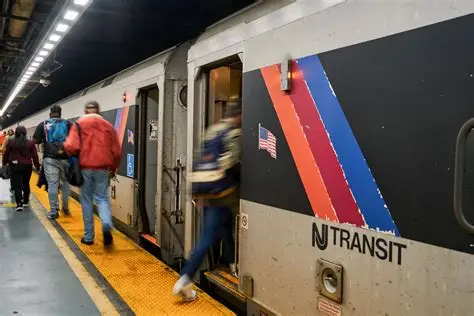
New York Rail Strike Creates Major Travel Disruption Across City
New York Rail Strike Brings Rush-Hour Travel to Standstill
The latest New York rail strike caused widespread disruption across the city as thousands of commuters struggled to reach work, airports, and other destinations during Monday morning rush hour.
The strike shut down operations on the Long Island Rail Road (LIRR), one of the busiest commuter rail systems in the United States.
Transportation officials warned passengers to expect:
- Severe congestion
- Long travel delays
- Overcrowded buses
- Limited transportation alternatives
- Heavy traffic across key routes
The shutdown affected roughly 250,000 weekday passengers who rely on the rail network connecting New York City with Long Island and surrounding suburbs.
Penn Station Turns Unusually Quiet During Strike
The impact of the New York rail strike became immediately visible at Penn Station, one of the busiest transportation hubs in America.
Normally crowded with hundreds of thousands of travelers every day, the station appeared unusually quiet as many train services stopped operating.
Confused commuters searched for alternative travel arrangements while transportation apps showed soaring prices for rideshare services.
Some passengers reported extreme difficulties reaching airports and workplaces because:
- Train services were suspended
- Ride-share costs surged dramatically
- Traffic congestion worsened
- Bus routes became overcrowded
- Travel times increased significantly
The disruption quickly spread across Manhattan, Queens, Brooklyn, and Long Island.
Long Island Rail Road Workers Begin Strike Action
The ongoing New York rail strike began after negotiations between transportation officials and unions representing approximately 3,500 rail workers failed to produce an agreement.
The unions launched the strike after disputes over:
- Wage increases
- Work conditions
- Contract terms
- Employee benefits
- Long-term compensation
Union representatives argued workers deserved improved pay after years without significant salary increases.
The strike marks the first major shutdown involving the Long Island Rail Road in more than three decades.
The development immediately triggered concern among city officials and transportation authorities.
Negotiations Continue Amid Transportation Crisis
Efforts to resolve the New York rail strike continued as both sides returned to negotiations following pressure from state leaders.
New York Governor Kathy Hochul urged transportation officials and labor unions to resume discussions in hopes of restoring rail services quickly.
A federal labor agency also stepped in to assist with mediation efforts.
Officials hope continued negotiations can prevent:
- Extended commuter disruption
- Major economic losses
- Increased transportation congestion
- Further public frustration
Transportation authorities stressed that restoring service remains a top priority as commuters continue facing major challenges.
Commuters Struggle to Find Alternative Transportation
The New York rail strike forced many commuters to rapidly adjust their travel plans.
Without access to regular train services, passengers relied on:
- Shuttle buses
- Subway systems
- Ride-sharing services
- Personal vehicles
- Taxi services
However, transportation demand surged dramatically across the city.
Officials warned commuters to expect:
- Traffic gridlock
- Longer travel times
- Crowded buses
- Delayed public transit connections
The Metropolitan Transportation Authority introduced free shuttle bus services on some routes, but officials admitted the alternatives could not fully replace normal rail operations.
Many travelers experienced delays lasting several hours.
Union Workers Demand Fair Pay and Conditions
The latest New York rail strike centers largely on disputes involving wages and working conditions.
Union representatives say employees have worked for years without receiving sufficient salary increases despite rising living costs.
Workers are reportedly seeking:
- A five percent wage increase
- Improved working conditions
- Better contract protections
- Fair compensation agreements
Union members participating in demonstrations emphasized solidarity during picketing events across New York.
Rail workers stated they would prefer returning to work but believe stronger action became necessary after negotiations stalled.
Labor leaders argued employees play a critical role in maintaining one of the nation’s busiest transportation systems.
Transportation Authority Warns About Financial Impact
The New York rail strike also created growing financial concerns for transportation officials.
The Metropolitan Transportation Authority warned that meeting all union demands could potentially:
- Increase rail fares
- Raise operating costs
- Pressure public budgets
- Affect taxpayers
Officials reportedly offered a smaller wage increase package with additional compensation options.
State leaders emphasized support for organized labor while also warning about the financial strain larger agreements could place on transportation systems already facing budget challenges.
The dispute now reflects broader national debates surrounding wages, inflation, and labor rights.
Economic Impact Spreads Beyond Commuters
The ongoing New York rail strike affects more than just daily commuters.
Long Island Rail Road services support:
- Tourism
- Local businesses
- Airport transportation
- Retail workers
- Office employees
- Hospitality industries
The shutdown also impacts travel to Long Island beaches and tourist destinations popular during warmer months.
Businesses near major rail stations may experience reduced customer traffic if the disruption continues for an extended period.
Economic analysts warn prolonged transportation interruptions could hurt productivity and local commerce across the region.
Public Frustration Grows Across New York
The New York rail strike triggered frustration among commuters already dealing with rising transportation costs and crowded travel conditions.
Many passengers expressed concern about:
- Expensive alternative transportation
- Delayed work schedules
- Missed appointments
- Airport travel complications
- Longer daily commutes
Some travelers faced extremely high ride-share prices due to increased demand.
Others struggled navigating unfamiliar bus routes and overcrowded subway lines.
The disruption highlighted how heavily millions of residents depend on reliable rail transportation every day.
Key Facts About the New York Rail Strike
Here are the major developments from the strike:
- Long Island Rail Road services shut down during rush hour
- Around 250,000 commuters affected daily
- Approximately 3,500 workers joined strike action
- Penn Station experienced major disruption
- Free shuttle buses were introduced on some routes
- Workers demand higher wages and better conditions
- Negotiations resumed with federal mediation support
Conclusion
The latest New York rail strike has created major transportation challenges across one of America’s busiest metropolitan regions.
As negotiations continue between unions and transportation officials, commuters remain caught in the middle of a growing labor dispute affecting daily travel, business operations, and regional mobility.
Both sides now face mounting pressure to reach an agreement quickly and restore services before economic and commuter frustration worsens further.
For now, millions of New Yorkers continue adjusting to severe delays and transportation uncertainty across the city.