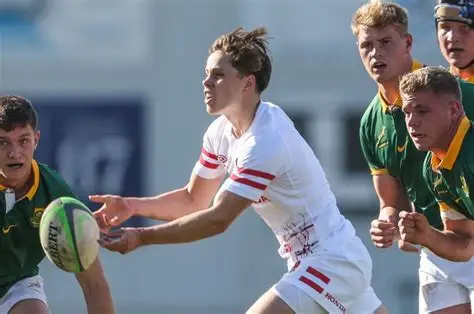
Lucas Friday Harlequins Rise Shows How Danny Care’s Legacy Is Shaping the Next No 9
Lucas Friday Harlequins rise is not just another academy story. It is a rare rugby circle, linking one of the club’s greatest modern players, an old mentor, and a young scrum-half trying to grow into a role that Danny Care made famous for almost two decades.
Harlequins could have responded to Care’s retirement by signing a ready-made veteran scrum-half. They did look at options in the market. Instead, the club’s decision to trust its own pathway has put Friday into one of the most interesting development stories in English rugby.
Care retired at the end of the 2024/25 season after 19 years with Harlequins, 101 England caps and a club-record 394 appearances. His departure created more than a vacancy. It removed a personality, a tempo-setter and a symbol of the Quins way: quick, instinctive, brave and sometimes chaotic in the best possible sense.
Lucas Friday Harlequins development now carries part of that inheritance. Friday is smaller than many modern rugby players, quick around the breakdown, sharp with his pass and ambitious enough to spend extra time after training working on the details. The comparison with Care as a young player is obvious, but it is also dangerous. Friday does not need to become another Danny Care. He needs to become the best version of Lucas Friday.
That is where the Care connection becomes more valuable than the comparison. Care has not simply handed over a shirt. He has passed on lessons, questions and confidence.
For wider rugby context, The News Ink has also covered England rugby’s struggles and pressure on leadership and how sports training technology is changing player development.
Why Lucas Friday Harlequins story matters
Lucas Friday Harlequins story matters because clubs are often judged by the quality of their pathway when legends leave. Replacing a player like Care is almost impossible through a single signing. He was not only a scrum-half. He was the emotional pulse of Harlequins for much of the professional era.
Care brought speed, mischief, invention and durability. He helped Quins win major trophies, including Premiership titles in 2012 and 2021, and became one of the most recognisable No 9s in English rugby. When a player like that leaves, the club must decide whether to buy certainty or build the future.
Harlequins have leaned toward building.
That choice puts pressure on Friday, but it also says something positive about the club. A pathway is only meaningful if young players are trusted at the hard moments. It is easy to praise academy development in press releases. It is harder to give real minutes to a young scrum-half after a legend retires.
Lucas Friday Harlequins development is therefore about identity. Quins want to remain a club that produces players with personality, skill and bravery. Friday fits that image.
The full-circle Care and Friday connection
The most compelling part of Lucas Friday Harlequins rise is the family link. Lucas is the son of Mike Friday, the former England sevens coach and experienced rugby figure who helped guide Care early in his own pathway.
Care has described the situation as a full-circle moment. Mike Friday was once part of the environment that helped shape Care. Years later, Care found himself helping Mike’s son understand the demands of senior rugby at Harlequins.
That kind of rugby inheritance is powerful because it is not abstract. It is lived knowledge. Mike Friday helped Care. Care helped Lucas. The advice moves from one generation to the next, not as nostalgia, but as practical detail.
Lucas Friday Harlequins pathway has been shaped by that overlap. He grew up around rugby language, sevens energy, academy habits and No 9 craft. He then entered a club where one of his father’s former mentees had become a legend.
Care called it cathartic to help the young scrum-half take flight. That phrase matters because the relationship was not only technical. It was emotional. Care was leaving the game. Friday was beginning. The timing gave the handover meaning.
Key facts at a glance
| Detail | Information |
|---|---|
| Player | Lucas Friday |
| Club | Harlequins |
| Position | Scrum-half |
| Pathway | Harlequins academy and England age-grade rugby |
| Father | Mike Friday, former England sevens coach |
| Mentor link | Danny Care was helped by Mike Friday early in his pathway |
| Care’s Harlequins record | 394 appearances |
| Care’s England caps | 101 |
| Care retirement | End of 2024/25 season |
| Friday’s senior academy status | Awarded ahead of 2024/25 |
| Injury setback | ACL injury in 2025, followed by long rehab |
| Development theme | Passing, kicking, tempo, confidence and game management |
This table shows why the Lucas Friday Harlequins story carries more depth than a normal young-player profile. It is about succession, injury recovery, mentorship and club culture.
Why replacing Danny Care is not simple
Replacing Care is difficult because scrum-half is one of rugby’s most demanding positions. The No 9 controls tempo, connects forwards and backs, manages exits, identifies space, communicates with the fly-half and makes hundreds of decisions under pressure.
A young scrum-half cannot hide. Every pass is visible. Every slow ruck is noticed. Every box kick is judged. Every wrong option can turn into a counter-attack.
Lucas Friday Harlequins challenge is therefore technical and psychological. He must improve his pass speed, kicking accuracy, defensive sharpness and communication. But he must also learn how to command older forwards, manage pressure from hostile crowds and stay calm when a match becomes messy.
Care made those things look natural because he had years of experience. He also made mistakes early in his career, learned from them and turned his instincts into weapons. Friday must go through that process without being swallowed by expectation.
Harlequins cannot ask him to replace 19 years of Care overnight. They can ask him to compete, learn and grow.
That is a much healthier expectation.
What Friday already does well
Lucas Friday Harlequins promise starts with his natural scrum-half qualities. He has quick feet, a fast passing game and the instinct to play with tempo. Those are not small things. Some scrum-halves can be coached into structure, but tempo and feel are harder to manufacture.
RugbyPass reported that Friday’s teammates gave him the nickname “The Truth,” a sign of the respect he had earned in training. Former teammate Lennox Anyanwu said Friday looked unusually polished in areas where young No 9s often struggle. That matters because teammates see the details before supporters do: how a player trains, how quickly he learns, whether he competes, whether he is humble enough to take feedback.
Lucas Friday Harlequins development also includes a visible edge. He is not the biggest player, but he plays with bite. That matters at scrum-half. The position rewards confidence, irritation and bravery. A No 9 must be willing to challenge forwards twice his size, organise chaos and occasionally annoy opponents.
Care had that. Friday appears to have it too.
The passing foundation
The passing game is central to any scrum-half’s future. For Friday, that foundation was built early.
RugbyPass reported that during the Covid period, Lucas and Mike Friday spent hours working on passing drills in the garden, using exercises Mike had used with Care and others. That kind of repetition is not glamorous, but it is exactly how elite skills are built.
Lucas Friday Harlequins rise is partly a story of invisible work. Supporters see the pass leaving the hand in a match. They do not see the thousands of repetitions that make the movement automatic.
A scrum-half’s pass must travel quickly, accurately and from awkward body positions. It must come off both hands. It must work when a ruck is messy, a forward is blocking the lane or a defender is trying to charge down the next phase. It must be fast enough to give the fly-half time but controlled enough not to force receivers into poor positions.
Friday’s ambition to master every part of the role is encouraging because young players sometimes rely too heavily on natural talent. He seems to understand that No 9 is a craft.
Learning from Care without copying him
Lucas Friday Harlequins development benefits from Care’s guidance, but copying Care exactly would be a mistake.
Care was unique. His greatest strength was instinct. He could sense when a defence was sleeping, tap quickly, dart blind, change tempo or create a moment that was not in the plan. That made him dangerous, but it also required confidence and experience.
Friday can learn from that without becoming a tribute act. He can study Care’s tempo, support lines and courage around the ruck. He can ask about preparation, errors, pressure and selection setbacks. But he must also build his own kicking game, defensive identity and leadership voice.
The best mentorship does not produce clones. It produces players who understand themselves better.
Lucas Friday Harlequins story is encouraging because Care appears to have given him space as well as advice. The symbolism of the handover is strong, but the young scrum-half still has to define his own rhythm.
That is the balance Quins must protect.
The injury setback that tested him
Friday’s progress has not been smooth. RugbyPass reported he tore his ACL while playing for England U20s against Scotland at Kingston Park, leading to a long recovery period. Harlequins’ own profile material also notes that he missed much of the 2024 season through injury and later returned with a try.
That setback matters because injuries can change young careers. A teenage player loses momentum, confidence and match rhythm. While teammates train and play, he spends months in rehab, building strength and trust in the knee again.
Lucas Friday Harlequins rise may be stronger because of that recovery. Injury can teach patience, routine and resilience that recovery. Injury can teach patience, routine and resilience. Friday had family support from people who had experienced similar injuries, and RugbyPass reported he felt that helped him push through the rehab stage.
For a scrum-half, an ACL injury is especially difficult because the role depends on acceleration, sidesteps, defensive footwork and low body positions around the breakdown. Returning physically is one challenge. Returning with confidence is another.
Friday’s comeback showed the club that he could handle adversity early.
England U20 experience matters
Friday’s England U20 involvement gives his development extra weight. Age-grade rugby does not guarantee senior success, but it exposes players to higher expectations, international systems and pressure games.
Harlequins confirmed Friday and Josh Bellamy were named in England U20s’ matchday squad for the 2025 U20 Six Nations opener against Ireland. England Rugby’s own profile material says Friday made his U18 academy debut in August 2022 and earned a senior academy contract ahead of the 2024/25 season.
Lucas Friday Harlequins pathway therefore includes both club and national development markers. He has not emerged from nowhere. He has been tracked through academy rugby, England age-grade systems and senior Quins training.
That matters for England too. Scrum-half depth has become an important national conversation. Alex Mitchell has grown into a leading figure, while younger players such as Archie McParland, Charlie Bracken and Friday are part of a wider future group.
The pathway is competitive. That is good for Friday. It means he must keep improving.
Harlequins’ scrum-half picture
Friday is not walking into an empty position. Harlequins still have senior options and competition. Will Porter has been an important figure. The club also confirmed scrum-half options in its 2025/26 squad planning, and Jack Grant arrived on a short-term deal in February 2026 while Friday was away with England U20s.
That context is important. Lucas Friday Harlequins story should not be framed as if the club has simply handed him the No 9 shirt permanently. The reality is more measured. He is part of a succession plan, but he must earn minutes.
Competition can help him. Young scrum-halves need pressure in training. They need to learn from older players, compare standards and fight for selection. Too much protection can slow development.
Quins appear to be balancing opportunity with support. Friday can learn from Care’s legacy, Porter’s experience and senior coaching while still building his own case.
That is healthier than throwing him in as the only answer.
What Friday must master next
Friday’s next development phase is clear.
He must keep sharpening his passing under pressure. He must improve kicking variety, including box kicks, contestable kicks, exits and attacking chips. He must become stronger defensively, because Premiership back rows will target young No 9s. He must learn when to speed games up and when to slow them down.
Lucas Friday Harlequins rise also depends on communication. A scrum-half has to speak constantly. He must organise forwards, demand better ruck presentation, guide the fly-half and read referee trends. That authority takes time.
The mental side may matter most. The Premiership will test him with wet-weather matches, heavy packs, slow ball, aggressive defences and tight scorelines. A young No 9 must not defences and tight scorelines. A young No 9 must not defences and tight scorelines. A young No 9 must not chase every highlight. Sometimes the best play is a boring exit, a controlled box kick or a simple pass to the right forward.
Care’s attacking instinct made him special, but his longevity came from learning game management. Friday must do the same.
Development checklist for a young No 9
| Skill area | Why it matters for Friday |
|---|---|
| Pass speed | Gives Marcus Smith or other playmakers more time |
| Kicking accuracy | Controls territory and pressure |
| Breakdown scanning | Identifies guards, space and defensive weakness |
| Communication | Allows him to command forwards and shape tempo |
| Defensive courage | Helps survive targeted pressure |
| Decision-making | Separates a lively prospect from a trusted starter |
| Fitness and durability | Essential after ACL recovery |
| Leadership voice | Needed to become more than a squad option |
| Emotional control | Helps manage big matches and hostile crowds |
| Adaptability | Allows him to play different tactical styles |
Lucas Friday Harlequins future will depend on how many of these areas he can develop quickly without losing the instincts that made him exciting.
Why the Mike Friday influence matters
Mike Friday’s influence matters because he understands both playing and coaching. He is best known for his work in sevens, including roles with England, Kenya and the United States, and later coaching work in other rugby environments. Sevens coaches often value speed, space, decision-making and skill repetition. Those qualities translate well to scrum-half development.
Lucas Friday Harlequins rise has clearly benefited from that environment. Growing up with a coach as a parent can be challenging, but it can also provide technical depth. Passing drills, game conversations and honest feedback become part of everyday life.
The danger for any player with a well-known rugby parent is being defined by the surname. Friday must avoid that. His father’s guidance is part of the story, but the performances must become his own.
The full-circle link with Care makes the story richer. Mike helped Care. Care helped Lucas. But Lucas still has to play the passes, make the tackles and handle the pressure himself.
Rugby inheritance opens doors. It does not run through them.
Why Harlequins fans should be excited
Harlequins supporters love players with personality. The club’s identity has long been tied to attacking rugby, bold decision-making and skill. A sharp academy scrum-half learning from Care fits that culture perfectly.
Lucas Friday Harlequins excitement is partly about style. A quick No 9 can transform Quins’ attack. With creative players around him, fast service and accurate tempo can make the whole system look better. Harlequins have often been at their best when their scrum-half and fly-half attack space before defences settle.
Friday’s emergence also gives supporters a homegrown story at a time when rugby clubs are under financial and squad pressure. Developing academy players is not only romantic. It is practical. Salary caps make it important. Club identity makes it valuable.
Fans should still be patient. Young scrum-halves make mistakes. They kick too long, pass too early, overplay or get caught by clever back-rowers. But those errors are part of growth.
The signs are good because the attitude looks right.
The bigger English rugby picture
Friday’s rise sits inside a wider English rugby conversation. The national team needs more high-quality scrum-half options, especially players who can combine tempo with tactical control. Care and Ben Youngs dominated the position for years, but the next generation needs depth rather than dependence on one or two names.
Lucas Friday Harlequins pathway could become part of that answer, but England should not rush him. The country has sometimes overhyped young players too early, then judged them harshly when development takes time.
The better approach is patience. Let him earn Premiership minutes. Let him learn from Porter and Quins’ coaches. Let him play age-grade rugby where useful. Let him make mistakes without turning every appearance into a referendum on his future.
If he continues improving, England will notice naturally.
The News Ink’s coverage of major sports tournaments in 2026 shows how crowded elite calendars have become. Young rugby players must now handle club pressure, national pathways and constant public attention.
The Care legacy at Harlequins
Care’s legacy is enormous because he became more than a player at The Stoop. Reuters described him as hugely popular with fans and teammates, a livewire scrum-half known for energy and quick breaks. Harlequins supporters saw him grow from a young signing into a club heartbeat.
That kind of legacy cannot be replaced by one academy graduate. It must be carried collectively.
Lucas Friday Harlequins story is part of that continuation. The club does not need Friday to match Care’s 394 appearances. It needs him to absorb the best lessons: bravery, speed, connection with supporters, and the willingness to shape games.
Care’s retirement closed one era. It did not close the idea of Quins producing instinctive No 9s.
That is why the Friday story feels right for the club. It keeps the emotional line going without pretending the transition is simple.
What success would look like
Success for Friday in the next phase should be measured carefully. It should not be about immediate England selection or replacing Care’s entire influence.
A successful season would mean more senior minutes, cleaner game management, trusted bench appearances, strong training reports, and continued physical confidence after injury. It would mean showing that he can run a team in cup matches, contribute in Premiership games and stay composed under pressure.
Lucas Friday Harlequins progress should be judged by trajectory, not hype. A young scrum-half improving every month is more valuable than one producing one viral highlight and then stalling.
The club’s job is to expose him to enough pressure without overwhelming him. Care’s job, if he continues to advise informally or publicly support him, is to help him understand what is coming. Friday’s job is to keep asking questions, keep training, and keep sharpening the skills that define the role.
That is the pathway.
FAQ: Lucas Friday Harlequins
Who is Lucas Friday?
Lucas Friday is a Harlequins scrum-half and England age-grade player who has emerged as one of the club’s most interesting academy products after Danny Care’s retirement.
How is Lucas Friday connected to Danny Care?
Lucas Friday Harlequins story has a full-circle connection because his father, Mike Friday, helped mentor Danny Care early in his pathway, and Care later helped guide Lucas at Quins.
Who is Mike Friday?
Mike Friday is Lucas Friday’s father and a respected rugby coach best known for his sevens work with England, Kenya and the United States.
Did Danny Care retire from Harlequins?
Yes. Care retired from rugby at the end of the 2024/25 season after 19 years with Harlequins, 101 England caps and a club-record 394 appearances.
What does Lucas Friday need to improve?
Friday must continue developing his passing, kicking, game management, defensive strength, leadership voice and consistency after returning from injury.
The bottom line
Lucas Friday Harlequins rise is a story about talent, timing and legacy. Danny Care’s retirement created a gap that no single young player could fill overnight. But Friday’s emergence gives Quins a pathway story that feels authentic.
The link is almost too neat. Mike Friday once helped guide Care. Care later helped guide Mike’s son. Now Lucas is trying to build his own career at the same club where Care became a legend.
That does not mean the next chapter is guaranteed. Friday still needs senior minutes, physical durability, sharper game management and patience from supporters. Scrum-half is unforgiving, and comparisons with Care will only become heavier if he progresses.
But the foundations are strong. He has pace, passing skill, curiosity, family rugby knowledge, England age-grade experience and a club that appears willing to trust its academy. He has already dealt with injury adversity and returned with renewed hunger.
Lucas Friday Harlequins journey is not about replacing Danny Care. It is about learning from him, honouring the pathway, and proving that the next No 9 story at The Stoop can be written in a different voice.
For more rugby, English sport and rising-star coverage, follow The News Ink on Threads.