Los Llanos: The Little-Known Serengeti of South America
Los Llanos is one of South America’s most astonishing wild landscapes, yet many international travellers still know little about it. Spread across Colombia and Venezuela, this vast region of tropical grasslands, wetlands, rivers and gallery forests feels like a world apart from Cartagena’s old city walls, Bogotá’s highland bustle or Medellín’s urban energy.
In Colombia, Los Llanos is most closely associated with the eastern plains, especially Casanare, Meta, Arauca and Vichada. Here, the horizon seems endless. Rivers cut through open savanna. Scarlet ibis flash red over shallow wetlands. Capybaras graze in groups near muddy banks. Caimans rest half-hidden beside lagoons. Giant anteaters move slowly through termite-rich grassland. Above it all, jabiru storks, hawks, herons and hoatzins give the sky and trees constant movement.
That density of wildlife explains why Los Llanos is sometimes called the Serengeti of South America. The comparison is not exact. This is not East Africa, and travellers should not expect lions or elephants. But the feeling of open plains, safari drives, huge skies and abundant animals makes the nickname understandable.
The region also carries a strong human identity. Los Llanos is cowboy country. The local horsemen and cattle herders, known as llaneros, have shaped the landscape through ranching, music, horsemanship and cattle songs passed down through generations. For visitors, the best trips combine wildlife watching with that living culture rather than treating the plains as a simple animal checklist.
Los Llanos at a Glance
| Detail | What travellers should know |
|---|---|
| Region | Tropical plains across Colombia and Venezuela |
| Colombian gateway | Yopal, capital of Casanare |
| Main landscapes | Savannas, wetlands, rivers, gallery forests and ranchlands |
| Best-known wildlife | Capybaras, caimans, deer, giant anteaters, anacondas, scarlet ibis, jabiru and hoatzins |
| Cultural identity | Llanero cowboy traditions, horseback ranching, joropo music and cattle songs |
| Best travel style | Guided ranch stay, wildlife safari, birding tour or horse-riding trip |
| Best season for wildlife concentration | Usually the dry season, especially December to March in many areas |
| Important caution | Travel with reputable local operators and check current safety advice |
Why Los Llanos Feels Like a South American Safari
The first thing travellers notice in Los Llanos is the space. The landscape opens outward in a way that feels rare in Colombia, a country many visitors associate with mountains, jungle, coffee valleys and Caribbean beaches. In the Llanos, the sky dominates everything.
That openness makes wildlife easier to spot than in dense rainforest. In the Amazon, animals may be close but hidden by vegetation. In Los Llanos, the plains reveal movement. Deer cross open grass. Capybaras gather near water. Caimans line muddy edges. Birds lift from wetlands in bright flocks. At the right time of year, animals concentrate around shrinking water sources, creating safari-style sightings that can feel surprisingly intense.
The Freshwater Ecoregions of the World describes the Orinoco Llanos as a large low-lying savanna region in the northwestern Orinoco Basin, covering parts of Venezuela and Colombia. That ecological setting explains the region’s variety. It is not only dry grassland. It is a shifting mosaic of floodplains, rivers, seasonal wetlands and forest corridors.
That seasonal rhythm is essential. During the wet season, parts of the savanna flood, fish spread into temporary waters and birdlife can be extraordinary. During the dry season, water becomes scarcer and wildlife gathers in more predictable places. Both seasons have value, but many first-time visitors choose the dry months because sightings can be easier.
For travellers planning a route through Colombia, The News Ink’s smart travel guide is a useful starting point because Los Llanos requires more planning than a simple city break.
A Wilderness Filled With Unusual Wildlife
Los Llanos rewards patient observation. Some of its most memorable animals are not rare in the region, but they are spectacular to visitors because they are so visible.
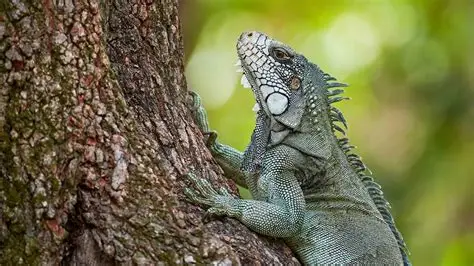
Capybaras are often the first stars. These giant rodents graze in groups near lagoons and riverbanks, sometimes surrounded by birds. Caimans are another regular sight, especially around water during the dry season. White-tailed deer, foxes, iguanas and turtles may appear during a single drive.
Birdlife can be extraordinary. Scarlet ibis bring flashes of red to wetlands. Jabiru storks, which can stand more than 1.5 metres tall, add scale to the horizon. Hoatzins, with their punk-like crests and unusual digestive system, fascinate birders and casual visitors alike. Young hoatzins famously have clawed wings that help them climb among branches, a feature that often leads guides to compare them with prehistoric birds.
The bigger thrill is unpredictability. A giant anteater may appear at the edge of a track. An anaconda may be found near a shrinking pool. Electric eels and piranhas may inhabit waterways that look calm from the bank. The region reminds travellers that tropical wilderness is not only beautiful; it is alive in every direction.
This is where Los Llanos differs from many more polished wildlife destinations. The experience can feel raw, muddy and immediate. It is not a zoo. It is not a staged drive-through park. It is a working landscape where wildlife and ranch life overlap.
El Encanto de Guanapalo and the Ranch Reserve Model
One of the most important examples of conservation tourism in Los Llanos is El Encanto de Guanapalo, a private natural reserve in Casanare. The reserve’s official website says it is formed by three traditional llanero hatos, or ranches: Mata de Palma, Altamira and Montana. It also says the reserve is around 110km from Yopal, via Yopalosa and Orocué, in San Luis de Palenque.
The site describes experiences including wildlife safaris, horseback riding, birdwatching, plain work and cowboy songs. That combination is important because it shows how tourism can support both nature and culture when managed carefully.
A private reserve in Los Llanos is not the same as a conventional national park. Cattle may still be present. Ranch work may continue. Local families may host guests, cook meals or guide visitors. The goal is not necessarily to remove all human activity from the landscape. It is to make wildlife protection economically viable alongside traditional land use.
This model matters because the region faces pressure from industrial agriculture, road development, oil activity and land conversion. If a ranch can earn income from wildlife tourism, there is a stronger reason to keep wetlands, forests and savannas intact. Visitors are not only paying for accommodation. They are helping create value around living ecosystems.
That does not mean every tourism operation is automatically sustainable. Travellers should ask how guides are trained, whether wildlife is disturbed, how local workers benefit and whether tours respect animal behaviour. But at its best, the ranch reserve model gives Los Llanos a practical conservation path.
Why Tourism Can Protect the Plains
Wildlife tourism works best when local people gain from keeping animals alive and habitats intact. In Los Llanos, this is especially important because much of the landscape is privately held or used for ranching.
A capybara, deer or caiman may have little economic value if the land is judged only by cattle production or future development. But if visitors come specifically to see those animals, the calculation changes. Wetlands, gallery forests and lagoons become assets. Birdlife becomes a reason to protect water. Traditional knowledge becomes guide expertise.
This is why responsible tourism matters. A visitor choosing a reputable reserve or local guide can support conservation more directly than a traveller who arrives without planning, trespasses on private land or expects wildlife encounters without paying communities fairly.
The same principle applies across nature travel. The News Ink has covered the tension between curiosity and impact in its feature on strange places, and Los Llanos offers a more hopeful version of that lesson: unusual places can benefit from tourism when the money supports local stewardship.
The Llaneros: Cowboys of the Eastern Plains
Los Llanos cannot be understood without the llaneros. These cattle herders are central to the region’s identity, with traditions shaped by horses, rivers, cattle, music and seasonal movement. Their culture connects Colombia and Venezuela across a shared plains landscape.
A day on a working ranch may begin before sunrise with hot drinks, saddling horses and preparing for cattle work. Visitors may watch riders move herds across open ground, using voice, rhythm and experience rather than brute force. The work is practical, but it can also be deeply expressive.
Music is part of that identity. Joropo, with its harp, cuatro and maracas, is the best-known musical expression of the Llanos. Cattle-herding songs, or cantos de vaquería, are even more directly tied to ranch work. UNESCO describes Colombian-Venezuelan llano work songs as a form of vocal communication sung individually and a cappella around herding and milking. UNESCO placed the practice on its List of Intangible Cultural Heritage in Need of Urgent Safeguarding.
That status matters. It shows that llanero culture is not a tourist performance created for visitors. It is a living tradition under pressure from social, economic and environmental change. When travellers hear these songs respectfully, they are encountering a cultural practice that communities and heritage organisations are trying to protect.
For readers interested in travel shaped by cultural memory, The News Ink’s historical travel coverage gives useful context on why heritage is often as important as scenery.
A Morning on the Plains
The most powerful Los Llanos experiences often happen early. Before the heat rises, the savanna feels cooler and more active. Birds call from gallery forests. Horses shift near the ranch. Coffee or chocolate may be served before guides prepare for the day.
A morning safari can begin with a slow drive across open tracks. The guide scans water edges for caimans, trees for monkeys or porcupines, termite mounds for anteaters and wetlands for ibis or storks. The best guides do not rush. They read the landscape through small signs: a bird alarm call, fresh tracks, a ripple in water, a movement in dry grass.
On horseback, the feeling changes. The traveller is no longer separated from the landscape by a vehicle. The pace slows. Distances feel larger. Sounds become clearer. For some visitors, riding with llaneros becomes the heart of the trip, especially when combined with explanations of cattle work and local ecology.
This is why Los Llanos should not be reduced to a checklist. The animals are extraordinary, but the rhythm of the plains is the real experience.
When to Visit Los Llanos
The best time to visit Los Llanos depends on what travellers want to see. Many wildlife-focused visitors choose the dry season, often from December to March in Casanare, because animals gather around remaining water sources and tracks may be easier to navigate. Specialist operator Wild Llanos describes the dry season as December to March and notes that February and March are especially strong for travellers hoping to see anacondas.
The green or wet season, often from May to October, creates a different landscape. Flooded savannas become lush, birds breed, fish spread and the plains feel more aquatic. Travel can be more logistically challenging, but photographers and birders may find it rewarding.
A simple seasonal guide looks like this:
| Season | Typical conditions | Best for |
|---|---|---|
| Dry season | Hotter, drier, wildlife concentrated near water | First-time wildlife safaris, photography, easier sightings |
| Transition months | Changing water levels, mixed conditions | Flexible travellers and repeat visitors |
| Wet/green season | Flooded plains, lush vegetation, more water access issues | Birdlife, landscapes and travellers seeking fewer crowds |
Because conditions vary by year and location, travellers should confirm timing with local operators before booking. Flooding, road access and wildlife patterns can change.
How to Get There
For Colombian Los Llanos safaris, Yopal is one of the most practical gateways. The city has flights from Bogotá and serves as a starting point for trips into Casanare’s ranches and reserves. From Yopal, travellers usually continue by road to private reserves, hatos or lodges.
Distances can look short on a map but feel longer on rural roads. Some routes may involve dirt tracks, seasonal conditions and slow travel. This is another reason to use local operators rather than trying to improvise everything alone.
A typical trip may include:
- flight from Bogotá to Yopal;
- road transfer to a ranch or reserve;
- two to four nights on the plains;
- wildlife drives, horseback riding, birding and cultural activities;
- return transfer to Yopal.
Travellers should also check current security guidance before travelling. The UK Foreign, Commonwealth & Development Office advises against all but essential travel to some Colombian border and conflict-affected areas, including Arauca and parts near the Venezuela border. The U.S. State Department also maintains a Colombia travel advisory and warns against travel to certain departments and border regions. Casanare is a major tourism base for Llanos trips, but travellers should still check updated advice, use reputable guides and avoid assuming conditions are the same across the entire region.
This is not a reason to dismiss Los Llanos. It is a reason to plan properly.
What to Pack for a Llanos Safari
Los Llanos is hot, exposed and seasonal. Travellers should pack for sun, insects, dust, mud and sudden weather changes.
Useful items include:
- lightweight long-sleeved shirts;
- breathable trousers;
- wide-brimmed hat;
- strong sunscreen;
- insect repellent;
- binoculars;
- reusable water bottle;
- dry bag for camera gear;
- comfortable closed shoes;
- sandals for lodge areas;
- lightweight rain jacket in wetter months;
- basic medication and personal prescriptions.
Do not overpack luxury clothing. The plains are practical. Dust, heat and water are part of the experience. Neutral colours are better for wildlife watching, and quick-dry fabrics are helpful.
If travelling with pets elsewhere, remember that nature destinations can have strict wildlife rules. The News Ink’s report on pet travel rules is a useful reminder that animal-related travel often requires more planning than people expect.
How to Travel Responsibly in Los Llanos
Responsible travel in Los Llanos begins with humility. This is not an empty wilderness waiting for visitors. It is home to communities, ranch workers, wildlife and fragile seasonal ecosystems.
Good visitor behaviour includes:
- booking with operators that use local guides;
- keeping distance from wildlife;
- never feeding animals;
- avoiding loud noise during sightings;
- respecting ranch rules and private land;
- asking before photographing local people;
- reducing plastic waste;
- staying on approved tracks;
- supporting businesses that protect habitat.
Wildlife should never be chased for photographs. Anacondas, anteaters, caimans and birds should be observed calmly. A good guide will know when to move closer and when to stop.
Responsible tourism is especially important as climate pressures increase. Seasonal wetlands and savannas can be vulnerable to changing rainfall, drought and land-use pressure. Readers following wider environmental context can explore The News Ink’s climate change coverage for more on how ecosystems are being reshaped globally.
Why Los Llanos Is Still Less Visited Than It Deserves
Los Llanos remains less visited than Cartagena, Medellín, the Coffee Region or Tayrona partly because it requires effort. It is not usually a casual add-on. Travellers must fly or drive inland, book specialist accommodation and accept heat, insects and rustic conditions.
That lower profile is also part of its appeal. The region still feels less packaged than many famous destinations. Wildlife sightings can happen without long lines of vehicles. Ranch stays can feel personal. Guides may be deeply connected to the land rather than trained only for mass tourism.
But the low profile may not last forever. As travellers look beyond crowded destinations and seek more meaningful nature experiences, Los Llanos is likely to gain attention. The challenge will be managing that growth without damaging the very qualities that make the region special.
The lesson from other destinations is clear: tourism should grow slowly, locally and carefully. If Los Llanos becomes only the next viral safari spot, it risks losing its depth. If it develops through conservation-minded operators, local communities and protected landscapes, it can become one of South America’s great responsible travel success stories.
Who Should Visit Los Llanos?
Los Llanos is ideal for wildlife lovers, birders, photographers, horse riders and travellers who prefer remote landscapes over polished resorts. It is also a strong choice for people who have already visited Colombia’s classic destinations and want a different side of the country.
It may not suit travellers who need luxury at every step, dislike heat, cannot tolerate insects or want a highly predictable itinerary. The plains can be uncomfortable. That is part of their honesty.
The best visitors are curious, patient and flexible. They understand that wildlife appears on its own schedule. They are willing to wake early, move slowly and listen to guides. They value culture as much as animals.
For those travellers, Los Llanos can be unforgettable.
The Bottom Line
Los Llanos deserves its reputation as the little-known Serengeti of South America, but the nickname only tells part of the story. Yes, the wildlife can be spectacular. Capybaras, caimans, scarlet ibis, jabiru, giant anteaters, deer and anacondas give the region a safari quality that few places in the Americas can match.
But Los Llanos is more than a wildlife destination. It is a cultural landscape shaped by llanero cowboys, cattle songs, ranch work, seasonal floods and conservation choices. Its best experiences happen when visitors understand that nature and culture are connected.
For travellers willing to plan carefully, choose responsible operators and respect the rhythm of the plains, Los Llanos offers one of Colombia’s most powerful journeys. It is remote without being unreachable, wild without being empty, and beautiful without feeling overproduced.
The plains are not asking to be rushed. They are asking to be watched, heard and understood.
For more travel and nature stories, readers can follow The News Ink on Instagram.