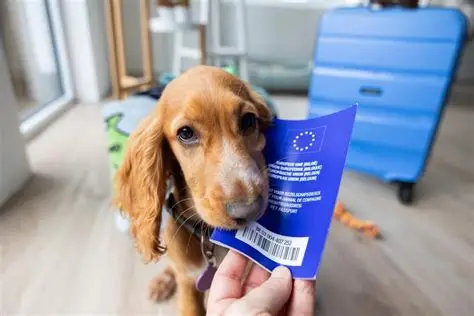
New Pet Travel Rules Bring Fresh Challenges
Traveling with pets across Europe has become more complicated and expensive for many island residents. Changes in EU regulations have replaced the familiar pet passport system with Animal Health Certificates, creating new hurdles for both pet owners and veterinarians.
These updates have triggered widespread concern, with many describing the process as stressful, costly, and inconvenient. The shift has particularly impacted frequent travelers who relied on the simplicity of the previous system.
From Pet Passports to Health Certificates
Under the new rules, EU-issued pet passports expired earlier this year. Authorities now require most travelers to obtain an Animal Health Certificate (AHC) from a licensed veterinarian before each trip.
While officials extended the validity of these certificates from four months to six months, they remain valid for a single journey. This limitation forces repeat travelers to apply again for every trip, significantly increasing costs and administrative work.
For people who frequently travel between locations, this change has disrupted routines and added financial strain.
Costs Surge for Regular Travelers
The financial impact has been immediate and noticeable. Many pet owners report sharp increases in travel expenses due to certificate fees.
One regular traveler explained how the cost of traveling with her dog jumped from around £230 to nearly £400 per trip. The added expense has forced her to reconsider taking her pet along, despite their strong bond.
She described her dog as a family member and expressed sadness at the thought of leaving him behind. For her, the issue goes beyond finances—it affects emotional well-being and companionship.
Emotional Toll on Pet Owners
For many people, pets are not just animals—they are part of the family. The new rules have introduced difficult choices, especially for those who travel frequently.
Owners now face a dilemma:
- Pay higher costs for every trip
- Leave pets behind with caregivers
- Reduce travel frequency
This emotional strain has made the situation even more challenging. Some owners say they feel anxious about planning trips and worried about leaving their pets in unfamiliar environments.
Calls for Simpler and Affordable Solutions
Many pet owners have urged authorities to simplify the process. Suggestions include:
- Lowering the cost of certificates
- Extending validity beyond single use
- Introducing flexible travel options
- Creating regional agreements for easier movement
Some have proposed a special arrangement between nearby regions to maintain smooth travel, especially where strong connections already exist.
Veterinarians Face Increased Workload
Veterinary clinics have also felt the pressure. The new system requires more documentation, stricter checks, and additional training for vets issuing certificates.
Veterinarians report a rise in inquiries from concerned pet owners seeking guidance. Many want reassurance that they have the correct paperwork to avoid travel disruptions.
The stakes are high. Without proper documentation, pets could face travel refusal or even quarantine in extreme cases.
Why the Process Feels More Complicated
The shift from passports to certificates has added several layers of complexity:
- Owners must book appointments within a limited time window before travel
- Certificates involve detailed paperwork and verification
- Each trip requires a new certificate
- Missing documents can lead to serious consequences
Veterinarians emphasize that these steps are necessary but acknowledge the process takes more time and effort than before.
Growing Demand for Old Passport System
Many vets and pet owners want the return of local pet passports. They argue that the previous system was more efficient and user-friendly.
Pet passports offered:
- Multi-year validity
- Easy record tracking
- Reduced administrative burden
- Lower overall costs
The new system, in comparison, feels repetitive and inefficient, especially for frequent travelers.
Short-Term Pain, Long-Term Adjustment
Animal welfare organizations believe the transition period will be difficult but temporary. As people become familiar with the new requirements, the process may become smoother.
However, in the short term, frustration remains high. Many travelers are still adjusting to the paperwork, timelines, and increased costs.
Key Challenges Pet Owners Face
- Rising travel costs due to certificate fees
- Single-use limitation of health certificates
- Time-sensitive appointment requirements
- Emotional stress of leaving pets behind
- Risk of travel refusal without correct documents
Comparison: Old vs New Pet Travel System
| Feature | Pet Passport System | Animal Health Certificate |
|---|---|---|
| Validity | Up to 3 years | 6 months (single trip) |
| Cost | Lower overall | Higher per trip |
| Ease of Use | Simple and flexible | More complex |
| Frequency of Renewal | Rare | Required every trip |
| Paperwork | Minimal | Extensive |
Advice for Pet Owners Planning Travel
If you plan to travel with your pet under the new system, consider these steps:
- Book vet appointments well in advance
- Double-check entry requirements for your destination
- Keep all documents organized and accessible
- Budget for additional travel costs
- Seek professional advice if unsure
Preparation can help reduce stress and prevent last-minute complications.
Looking Ahead: Will Rules Change Again?
While officials acknowledge the inconvenience, there is no clear timeline for further changes. Discussions continue around improving the system, but uncertainty remains.
Pet owners and vets alike hope for a more practical and affordable solution in the future—one that balances safety with convenience.
For official travel requirements and updates, visit:
https://www.gov.uk/take-pet-abroad