New Advice on Screen Time for Young Children
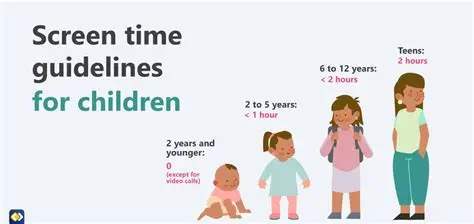
New guidance advises parents to limit screen time for under-fives to no more than one hour a day. For children under two, experts recommend avoiding solo screen use and encouraging shared activities instead.
This is the first time authorities have issued detailed, evidence-based advice to help families manage screen use during early childhood.
Why Limiting Screen Time Matters
Experts found that long periods of screen use, especially without adult interaction, can affect children’s development. It may disrupt sleep, reduce physical activity, and slow language skills.
Young children learn best through real-world interaction. Spending too much time on screens can replace activities like playing, talking, and exploring.
Not All Screen Time Is the Same
The guidance highlights an important point: quality matters more than quantity.
Watching content with a parent or caregiver can support learning and communication. However, passive viewing alone does not provide the same benefits.
Parents should avoid fast-paced videos and social media-style content, as these may affect attention and concentration.
Simple Tips for Parents
The guidance suggests practical ways to reduce screen use:
- Replace screen time with reading or storytelling
- Play simple games during meals instead of using devices
- Avoid screens before bedtime
- Watch content together and talk about it
These “screen swaps” help children develop better habits and stronger connections with family members.
Parents Should Lead by Example
Children often copy what they see. If parents use screens frequently, children are more likely to do the same.
The advice encourages adults to stay present and engaged with their children instead of relying on devices for entertainment.
A Growing Concern in Modern Life
Research shows that nearly all children are exposed to screens at a very young age.
As technology becomes a bigger part of daily life, experts continue to study its long-term effects. For now, officials recommend a cautious approach to protect children’s development.
What Happens Next?
Authorities plan to update the guidance as new research becomes available. Meanwhile, the advice aims to help parents build healthier routines for young children in a digital world.