A Smarter Way to Stay Fit
Many people think fitness requires long gym sessions or intense workouts. However, isometric exercise benefits show that even simple movements can deliver strong results.
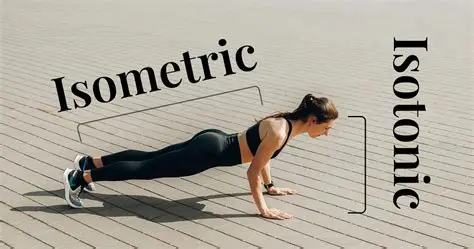
Isometric exercises involve holding a position without moving, such as a wall squat or plank. These static holds can build strength and support heart health without demanding a lot of time.
What Makes Isometric Exercises Effective
Isometric exercises keep muscles engaged without changing position. This constant tension helps strengthen muscles and improve endurance.
Research shows that these exercises can significantly lower blood pressure. A large meta-analysis of over 15,000 participants found that isometric training produced greater reductions in blood pressure than aerobic or high-intensity workouts.
This makes them especially useful for people who want simple and effective ways to improve health.
Short Workouts, Big Results
One of the biggest advantages is efficiency. A typical routine includes:
- Holding an exercise for 2 minutes
- Repeating it 4 times
- Taking short breaks in between
This adds up to about 14 minutes per session, performed three times a week.
Despite the short duration, studies show meaningful improvements in blood pressure and overall fitness.
Examples of Isometric Exercises
You can start with simple exercises at home:
- Wall sits
- Planks
- Handgrip squeezes
- Leg holds
These exercises require little or no equipment, making them easy to include in a daily routine.
Why Blood Pressure Benefits Matter
High blood pressure increases the risk of heart disease and stroke. Even small reductions can improve long-term health.
Studies show that isometric training can lower both systolic and diastolic pressure by a noticeable amount, sometimes comparable to medication effects in certain cases.
This highlights how simple habits can make a big difference over time.
Is It Enough on Its Own?
While isometric exercises offer strong benefits, experts still recommend combining them with other types of activity.
Organizations like the American Heart Association advise regular aerobic exercise along with strength training for overall health.
A balanced routine helps improve endurance, flexibility, and cardiovascular fitness.
Who Can Benefit the Most?
Isometric exercises are ideal for:
- Busy people with limited time
- Beginners starting a fitness routine
- Older adults looking for low-impact workouts
- Anyone aiming to manage blood pressure
They provide a simple entry point into regular physical activity.
Final Thoughts
Isometric exercises prove that you do not need long or intense workouts to see results. By holding simple positions for a few minutes, you can improve strength and support heart health.
Consistency matters more than intensity. Small, regular efforts can lead to lasting benefits.