Long before alarm clocks became common, people used creative methods to wake up on time. From human alarm clocks in industrial Britain to candles that dropped metal pins every hour, history is full of inventive solutions.
During Britain’s industrial revolution, factories required workers to arrive on time. Even a five-minute delay could disrupt an assembly line and reduce profits. Early alarm clocks existed but were too costly for ordinary workers.
Factories tried whistles and bells, but they often failed. Instead, a new profession emerged: knocker-uppers. These human alarm clocks knocked on windows or even shot peas at sleeping workers until they responded, says Arunima Datta, associate professor of history at the University of North Texas.
Similar practices existed worldwide. In some Muslim communities during Ramadan, people used human alarm systems to wake for pre-dawn meals and prayers.
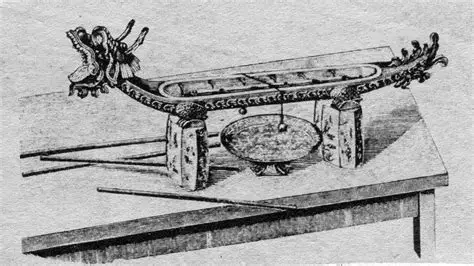
People also relied on roosters and innovative devices like candle and incense clocks. These clocks dropped pins or small balls into trays every hour, producing a sound to signal the time.
Natural Cues and Sleep Patterns
Before alarm clocks, natural cues like daylight helped people wake. Fatima Yaqoot, professor of sleep health at the University of the Sunshine Coast, explains that circadian rhythms and sleep pressure regulate sleep and wake cycles.
Sasha Handley, a history professor at the University of Manchester, adds that pre-industrial people used a mix of bodily cues and technology to manage time. Work, religious practices, and seasonal tasks influenced when people rose. Bells and church towers also served as timekeepers in Europe, helping communities organize their day.
On farms, people might sleep longer in winter, but religious practices often motivated early rising. Morning prayers and attending church on time were both spiritual and social signals.
Sleep patterns themselves differed. Many societies practiced biphasic or polyphasic sleep, splitting rest into multiple periods. Animal sounds, like roosters crowing at dawn, acted as early auditory alarm clocks. Interestingly, research shows roosters follow their own circadian rhythm rather than merely responding to light.
For centuries, daily habits—from bells to roosters—shaped how people slept and woke. These historical methods provide insight into the relationship between culture, technology, and sleep patterns.