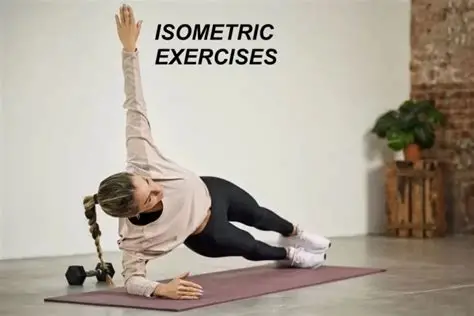
Isometric exercises—where you hold specific poses—can boost strength and lower blood pressure with just 14 minutes per session, three times a week.
While many picture fitness as hours on a treadmill, burpees, or heavy lifting, recent research shows minimal movement can still deliver major benefits. Exercises like wall squats, leg extensions, or handgrip holds improve heart health and build muscular strength, making them ideal for people struggling to fit exercise into busy schedules.
Global inactivity has risen to 31% between 2010 and 2022, according to the World Health Organization. Isometric exercises may provide a simple, effective solution.
Research supporting isometric exercise spans decades. A 2023 meta-analysis reviewed trials from 1990 to 2023, including nearly 16,000 participants exercising for at least two weeks. The study compared handgrip, wall squats, and leg extensions against cardio, weight training, combined workouts, and high-intensity interval training (HIIT).
The findings were striking. Isometric exercises lowered blood pressure by an average of 8.24/4.00 mmHg—significantly more than aerobic exercise at 4.49/2.53 mmHg. Standard blood pressure medications typically reduce it by about 9/4.00 mmHg, showing isometric exercise delivers near-medication-level benefits naturally. Lowering blood pressure is crucial for preventing cardiovascular disease and supporting long-term health.
The convenience of isometric workouts makes them appealing. Melanie Rees-Roberts, senior research fellow at the University of Kent, says: “You can do it at home without equipment, avoid bad weather, and don’t have to break a sweat.” With minimal time investment, isometric exercise provides accessible, effective fitness for people of all ages.