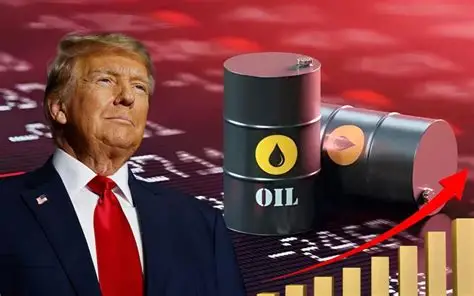
DONALD TRUMP continues to influence global oil markets as tensions with Iran persist. His public statements often trigger immediate reactions in energy prices, reflecting the uncertainty surrounding the conflict.
At the start of the crisis in late February, oil traded at around $72 per barrel. As tensions escalated, prices surged and reached a peak close to $120 in early March. Although prices have slightly eased, they remain elevated above $110.
Market analysts observe a clear pattern. Oil prices tend to rise when Trump uses aggressive language about the conflict. On the other hand, prices often stabilize or drop when he signals possible negotiations or delays in military action.
Experts say energy markets now act as a barometer for geopolitical risk. Investors closely monitor political signals and adjust their strategies based on potential supply disruptions and global instability.
However, recent trends show that traders are becoming more cautious. Some investors no longer react as strongly to Trump’s statements, especially when there is no confirmation from Iranian officials. This growing gap between political messaging and real-world developments has reduced market sensitivity.
Analysts also point out that some statements may aim to influence market behavior rather than communicate clear policy decisions. This creates additional uncertainty, making it harder for investors to predict future price movements.
Oil remains at the center of global economic concerns. Rising prices can affect everything from transportation costs to food prices, putting pressure on both developed and developing economies.
While markets still respond to political signals, skepticism is increasing. Investors now weigh Trump’s remarks more carefully, looking for concrete actions rather than relying solely on rhetoric.
As the conflict continues, oil prices will likely remain volatile. The relationship between political developments and market reactions highlights how closely global energy markets track geopolitical events.