How the Iran War Could Affect UK Fuel Prices, Mortgages and Energy Bills
The Iran war is already being felt in the UK household budget, even by families thousands of miles from the conflict. The pressure does not arrive in one dramatic bill. It moves through oil markets, petrol stations, mortgage pricing, wholesale gas contracts, heating oil deliveries and inflation expectations.
That is why this story needs updating carefully. Earlier warnings focused on petrol moving above 140p a litre and mortgage rates creeping towards 5%. The situation has since moved further. RAC data showed petrol reached an Iran war high of 159.53p a litre on 28 May before easing slightly in June, while Ofgem has confirmed a 13% rise in the energy price cap from July to September 2026. Moneyfacts data also showed mortgage rates spiking sharply after the conflict began, before easing only partly later in the summer.
The Iran war does not mean every household will face the same increase. A rural family using heating oil may feel the shock faster than a flat on a fixed energy tariff. A driver with a long commute may notice the pressure before a homeowner on a fixed mortgage. A first-time buyer looking for a high loan-to-value deal may face a different problem from someone whose mortgage is fixed until 2028.
Still, the direction of risk is clear. The longer the Iran war keeps oil, gas and financial markets nervous, the more likely UK households are to face higher fuel prices, more expensive borrowing and renewed pressure on energy bills.
The UK Household Pressure Map
The easiest way to understand the Iran war’s financial impact is to follow the chain from global markets to the kitchen table. Oil prices affect petrol, diesel and transport. Gas prices affect household energy bills and industrial costs. Inflation fears affect interest-rate expectations. Interest-rate expectations affect mortgage deals. Heating oil prices move quickly because they are not protected by the Ofgem price cap.
| Household cost | How the Iran war feeds through | Who notices first |
|---|---|---|
| Petrol and diesel | Higher crude oil and wholesale fuel costs | Drivers, couriers, taxi firms, commuters |
| Mortgages | Higher inflation expectations and swap-rate volatility | Remortgagers, first-time buyers, movers |
| Gas and electricity | Wholesale gas prices influence future Ofgem caps | Households on standard variable tariffs |
| Heating oil | Uncapped prices respond quickly to wholesale shocks | Rural homes and many Northern Ireland households |
| Food and services | Higher transport and energy costs move through supply chains | Most households over time |
The Iran war is therefore not only an oil-price story. It is a confidence story. If markets believe the conflict will be short and supply routes will stay open, prices may stabilise. If markets believe shipping, refinery supply or gas flows are at risk, costs can rise before ordinary consumers understand why.
The News Ink has already covered how global markets reacted as oil and gas prices moved higher. This article focuses on what that means for UK households.
Fuel Prices: The Fastest Hit for Drivers
Fuel prices are usually the first place households see the Iran war. Petrol and diesel react faster than electricity bills because fuel retailers buy into a market linked closely to crude oil, refined product prices and the pound-dollar exchange rate.
The RAC said petrol averaged 155.89p a litre in mid-June, down from its Iran war high of 159.53p on 28 May but still £12.68 more expensive for a tank of unleaded than at the start of the conflict. That is a major change from the earlier stage of the crisis, when drivers were watching petrol move from the 130s towards 140p.
The reason is simple. Oil is priced globally. When the Iran war raises fears about Gulf shipping, refinery supply or the Strait of Hormuz, traders price in risk. That risk reaches wholesale markets, then fuel retailers, then motorists.
The impact is not limited to private cars. Diesel matters deeply to the UK economy because vans, lorries, farm vehicles, buses and delivery fleets rely on it. If diesel stays expensive, businesses face higher operating costs. Some absorb the increase. Others pass it on through delivery charges, food prices or service fees.
Drivers cannot control oil markets, but they can reduce exposure. Smooth driving, properly inflated tyres, avoiding unnecessary weight, comparing local fuel prices and combining trips can cut fuel use. These steps will not cancel out a global shock, but they can soften the weekly hit.
For readers who want the wider consumer impact, The News Ink’s guide to rising oil prices explains how petrol, transport and food costs can move together.
Mortgages: Why a Conflict Can Change Fixed-Rate Deals
The mortgage link is less obvious, but it matters more financially for many households. The Iran war can affect mortgages because it changes market expectations about inflation and interest rates.
Fixed mortgage rates are not set only by today’s Bank of England base rate. Lenders also look at swap rates, gilt yields, funding costs and expectations about future monetary policy. When investors think oil and gas shocks will keep inflation higher, the expected path of interest rates can change. Lenders then reprice deals, sometimes very quickly.
Moneyfacts reported that the average two-year fixed mortgage rate jumped to 5.56% by 25 March 2026, up from 4.83% at the start of the month. The average five-year fixed rate rose to 5.54%, compared with 4.95% at the start of March. Moneyfacts also said more than 1,500 mortgage products had disappeared from the market since 9 March, equivalent to roughly a fifth of available deals.
Rates later eased from their spring peak. Moneyfacts Group said average two-year and five-year fixed rates had fallen to 5.52% by mid-July, their lowest since early March. But that still leaves borrowers facing a higher market than before the Iran war shock began.
This matters most for four groups:
- homeowners whose fixed deals expire soon;
- first-time buyers with small deposits;
- landlords refinancing buy-to-let mortgages;
- households already stretched by food, fuel and energy bills.
A borrower on an existing fixed-rate deal is protected until that deal ends. Someone remortgaging this year is not. For them, even a half-point increase can mean hundreds or thousands of pounds more each year, depending on loan size.
The safest move is not to panic, but to prepare early. Many lenders allow borrowers to secure a new rate months before their current deal ends. A broker can also check whether a deal can be changed before completion if rates improve.
For broader household planning, The News Ink’s personal finance section is a useful place to connect mortgage decisions with savings, debt, insurance and emergency budgeting.
Energy Bills: The Ofgem Cap Helps, But It Does Not Freeze Costs
Energy bills are where the Iran war becomes more complicated. Many households in England, Scotland and Wales are partly protected by Ofgem’s price cap if they are on a default or standard variable tariff. But the cap is not a promise that bills cannot rise.
Ofgem has confirmed that from 1 July to 30 September 2026, the energy price cap is £1,862 a year for a typical direct-debit household. That is a 13% increase compared with the previous cap period. Ofgem also lists average direct-debit unit rates of 26.11p per kWh for electricity and 7.33p per kWh for gas during the July-September period.
The important phrase is “typical household”. A real bill depends on actual energy use, payment method, region and tariff. A larger household using more gas and electricity will pay more than the headline cap figure. A low-use household may pay less.
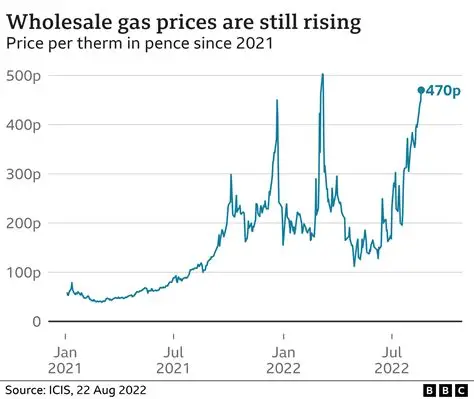
The Iran war affects energy bills through wholesale prices. UK households do not buy gas directly from the Gulf, but global gas and energy markets respond to the same risk signals. If oil and gas traders fear supply disruption, wholesale prices can rise. Ofgem then reflects those costs in future cap decisions.
The July cap is now known. The next key date is 26 August 2026, when Ofgem is due to announce the cap for 1 October to 31 December. That autumn cap matters because households use more energy as temperatures fall.
The practical household checklist is simple:
- submit meter readings when cap periods change;
- check whether direct debits match actual usage;
- ask suppliers for support before arrears build;
- compare fixed tariffs carefully against the cap;
- avoid assuming a lower monthly direct debit means lower total cost.
For deeper economic context, The News Ink’s economy coverage tracks how energy shocks, inflation and public policy interact.
Heating Oil: The Most Exposed Households
Heating oil users face the sharpest risk because they are outside the domestic gas and electricity price-cap system. These households are common in rural areas and in Northern Ireland. Many rely on bulk deliveries, and prices can move quickly when wholesale oil prices jump.
The Competition and Markets Authority began examining heating oil in March after concerns about prices linked to the Middle East conflict. The CMA said heating oil powers around 1.5 million UK homes, mainly in rural areas, and is the main heating fuel in Northern Ireland. It also said it had received troubling reports of existing orders being cancelled and customers then being offered new quotes at much higher prices.
By July, the issue had moved further. Around 1,700 heating oil customers were due compensation of up to £350 after cancelled orders during the price surge. The CMA found that many price rises reflected higher wholesale costs, but it also raised concerns about weak consumer protections in the heating oil market.
This is one of the clearest ways the Iran war can hit households unequally. A city household on mains gas may have price-cap protection. A rural household with an almost empty oil tank may have to buy immediately, whatever the market price is that week.
Heating oil users should keep records of quoted prices, order confirmations, delivery dates and cancellation messages. They should compare suppliers where possible, avoid waiting until the tank is nearly empty and be cautious about panic buying, which can worsen local shortages.
The News Ink’s earlier look at the 1970s oil crisis is useful here because heating oil shows how quickly geopolitics can become a domestic fuel problem.
Inflation: The Slow Pressure Behind Everything
Inflation is the thread connecting the Iran war to almost every household cost. Petrol rises first. Transport costs then affect business expenses. Energy prices affect factories, shops, refrigeration and services. Mortgage rates respond to market expectations about inflation. Food prices can rise later through production and delivery costs.
The Office for National Statistics said CPI inflation rose to 3.3% in March 2026, up from 3.0% in February. The ONS also said motor fuels made the largest upward contribution to the monthly change in the annual CPIH and CPI rates. Diesel prices rose sharply in March, and transport inflation reached its highest annual rate since December 2022.
That matters because inflation had been expected to move closer to target. The Office for Budget Responsibility’s March forecast expected CPI inflation to fall from 3.4% in 2025 to 2.3% in 2026 and 2.0% from 2027 onwards, helped by lower food and energy prices. The Iran war makes that path less certain because energy is one of the variables that can quickly change the outlook.
The Bank of England’s April 2026 Monetary Policy Report also noted that earlier forecasts had expected inflation to fall towards 2% by the third quarter of 2026. Higher energy costs complicate that picture because they can push up headline inflation and affect household expectations.
This does not mean inflation will return to the 11.1% peak seen in October 2022. The UK energy system, policy response and global supply picture are different. But it does mean the cost-of-living squeeze can last longer than households were hoping.
The News Ink’s report on global recession risk explains why energy shocks can slow spending and weaken confidence even when the first impact appears only at the pump.
Why This Is Not the Same as the 2022 Energy Crisis
The comparison with the Ukraine war is natural, but it should be used carefully. The 2022 energy shock was driven heavily by Europe’s dependence on Russian gas, disrupted supply routes and a rapid scramble for alternatives. The Iran war creates a different risk: oil shipping, Gulf security, tanker routes, gas-market anxiety and investor fear.
Both shocks raise energy costs. They do not work in exactly the same way.
There are also more buffers now. The Ofgem price cap is adjusted more frequently than it was in earlier years. Suppliers hedge some energy costs in advance. Consumers are more aware of meter readings and tariff changes. Government support tools may be used again if pressure becomes politically severe.
But households should not confuse buffers with immunity. If the Iran war lasts, if oil remains expensive or if wholesale gas prices stay elevated, the pressure can still reach UK bills.
The stronger comparison is not “will this be exactly like 2022?” It is “which households have the least protection this time?” The answer includes heating oil users, people remortgaging soon, drivers with long commutes, low-income households with little savings buffer and small businesses with transport-heavy costs.
The Bills to Watch Next
For households, the next few months are about signals. Some numbers matter more than daily headlines.
| Signal to watch | Why it matters |
|---|---|
| Brent crude oil | Drives petrol, diesel and inflation expectations |
| UK wholesale gas prices | Influences future energy price caps |
| Ofgem’s August announcement | Sets October-December energy-price pressure |
| Moneyfacts mortgage-rate data | Shows whether lender pricing is easing or rising |
| Bank of England decisions | Affects tracker mortgages and market expectations |
| ONS inflation releases | Shows whether fuel costs are spreading |
| Heating oil supplier behaviour | Reveals whether rural consumers remain exposed |
| Supermarket fuel prices | Shows how quickly wholesale moves reach drivers |
This kind of monitoring is not only for economists. A household deciding whether to fix an energy tariff, reserve a mortgage deal, delay a car purchase or fill an oil tank needs practical signals.
The News Ink’s oil prices coverage helps readers follow those market signals without treating every daily price move as a household emergency.
What UK Households Can Do Now
There is no perfect protection against the Iran war. But households can reduce avoidable risk.
Drivers should compare local fuel prices, avoid unnecessary short trips, drive more smoothly and keep tyres properly inflated. Households with two cars may want to use the more efficient vehicle for longer trips. Small businesses should track fuel costs weekly instead of waiting until margins suddenly tighten.
Mortgage borrowers should act early if a fixed deal ends within six months. Waiting until the final month can leave fewer choices if lenders withdraw products during market volatility. Borrowers should also compare total cost, not only headline interest rate, because fees can change the real value of a deal.
Energy customers should submit readings, review direct debits and check whether they are building credit or debt. A fixed tariff may be useful for some households, but only if the unit rates and exit fees make sense against the current cap and likely future cap.
Heating oil users should avoid emergency purchases where possible. Planning earlier, comparing suppliers and keeping written records can help if disputes arise.
The broader household move is to build a small risk buffer. Even £20 or £30 a month placed aside for fuel, energy or mortgage changes can reduce panic later. For some families that will not be possible, which is why supplier support, debt advice and government policy remain important.
The Bottom Line
The Iran war could affect UK fuel prices, mortgages and energy bills through several connected channels. Petrol and diesel are the quickest to move because they follow oil and wholesale fuel markets. Mortgages respond through inflation expectations, swap rates and lender funding costs. Gas and electricity bills are partly protected by the Ofgem cap, but that cap has already risen for July to September. Heating oil users face the sharpest immediate exposure because their prices are not capped.
The situation is serious, but not certain to become another 2022-style crisis. The final impact depends on how long the Iran war lasts, whether energy shipping remains secure, how wholesale gas prices behave and whether financial markets believe inflation will stay higher for longer.
For UK households, the right response is preparation rather than panic. Check fuel costs, review mortgage dates, monitor Ofgem updates, protect heating oil orders with clear records and keep budgets flexible where possible. The Iran war began as a geopolitical shock. For millions of UK households, it is now a cost-of-living risk.
This article is for general information only and is not personal financial advice. Anyone making mortgage, debt or investment decisions should consider speaking to a qualified adviser.
For more cost-of-living and market coverage, join The News Ink on WhatsApp or explore our latest personal finance reports.