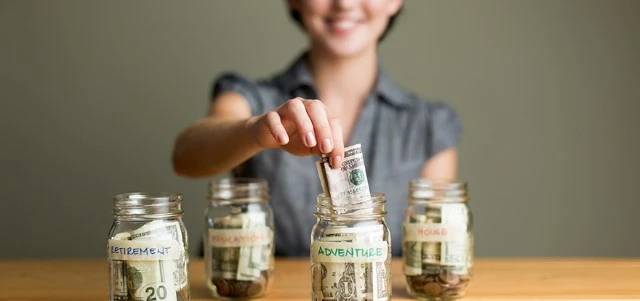
Take Control of Your Money: 12 Powerful Habits for a Stronger Financial Future
Money affects daily life in ways that are difficult to ignore.
It influences the food people buy, the bills they pay, the opportunities they pursue and the pressure they feel when an unexpected expense arrives. A broken phone, medical bill, urgent repair or sudden loss of income can quickly become stressful when there is no financial cushion.
Personal finance is not about becoming rich overnight.
It is about making everyday decisions more deliberately.
A strong personal-finance routine helps people understand where their money goes, prepare for emergencies, reduce unnecessary debt and work toward future goals. Investing can also become part of personal finance, but it should come after the basics are understood.
The internet often makes personal finance appear more complicated than it needs to be. Social-media posts promote rapid wealth, risky trades, luxury lifestyles and shortcuts. Some influencers make budgeting sound restrictive. Others present investing as though profits are easy and losses happen only to people who fail to act quickly enough.
Reliable personal finance looks different.
It is usually less dramatic.
It begins with knowing your income, tracking your spending, setting priorities and building habits that continue after the initial motivation disappears.
This article explains personal finance in a practical, beginner-friendly way. It covers budgeting, cash flow, emergency funds, debt management, saving, investing basics, diversification, fees, scams and digital security.
The goal is not perfection.
The goal is control.
What Personal Finance Really Means
Personal finance refers to the way an individual or household manages money.
It includes the choices made today and the preparation required for tomorrow.
| Personal-finance area | What it includes |
|---|---|
| Income | Salary, freelance earnings, business income and other resources |
| Spending | Housing, food, transport, bills and optional purchases |
| Budgeting | Planning where money needs to go |
| Saving | Setting aside money for emergencies and future goals |
| Debt | Managing loans, credit cards and other obligations |
| Banking | Using accounts, payment methods and financial services carefully |
| Insurance | Reducing the financial impact of selected risks |
| Investing | Accepting risk in pursuit of longer-term growth |
| Retirement planning | Preparing for later life |
| Fraud prevention | Protecting money and financial accounts |
| Financial goals | Deciding what matters and building a plan |
| Financial wellbeing | Feeling more secure and capable of making choices |
Personal finance is personal for a reason.
Two people earning the same income may need completely different plans. One may support family members. Another may have medical costs. Someone may be paying debt. Another person may be saving for education, a home or retirement.
A useful personal-finance plan does not begin with comparison.
It begins with reality.
Personal Finance Habit 1: Understand Where Your Money Goes
The first step in personal finance is awareness.
Many people know their monthly income but cannot explain where the money disappeared by the end of the month. That does not always mean they are careless. Small purchases, changing bills and irregular expenses can become difficult to track.
Start by looking at the real numbers.
The Consumer Financial Protection Bureau recommends reviewing actual spending, including bank statements and less frequent expenses that may be easy to forget.
Track your spending for at least one month.
Do not change anything immediately.
Observe first.
Create Four Spending Categories
| Category | Examples |
|---|---|
| Fixed essentials | Rent, mortgage, school fees and regular bills |
| Variable essentials | Food, transport, utilities and medicine |
| Flexible spending | Eating out, shopping, entertainment and subscriptions |
| Irregular expenses | Repairs, gifts, annual fees, travel and seasonal costs |
This exercise is not designed to create guilt.
It is designed to reveal patterns.
A person may discover that one large expense needs attention. Another may notice that several small subscriptions are no longer useful. Someone else may realize that the problem is not unnecessary spending at all. The income may simply be too low for the essential costs.
Personal finance becomes clearer when the real problem is identified honestly.
Use the Method That Fits Your Life
You can track spending through:
- A notebook
- A spreadsheet
- Bank statements
- A budgeting app
- A simple phone note
- A printed monthly worksheet
The tool matters less than the habit.
A complicated system that you abandon after three days is not useful.
Personal Finance Habit 2: Build a Budget That Reflects Real Life
A budget is a plan for your money.
It should not feel like a punishment.
The CFPB describes budgeting as an important step toward managing debt and working toward savings goals. Its budgeting guidance emphasizes that people need a realistic picture of income and spending before they can know how much remains available for saving.
A personal-finance budget should answer three questions:
- How much money comes in?
- Where does the money need to go?
- What should happen with the amount left over?
A Simple Monthly Budget Table
| Budget category | Planned amount | Actual amount | Difference |
|---|---|---|---|
| Income | |||
| Housing | |||
| Utilities | |||
| Food | |||
| Transport | |||
| Education | |||
| Healthcare | |||
| Debt payments | |||
| Savings | |||
| Family support | |||
| Personal spending | |||
| Miscellaneous |
Add a miscellaneous category.
Unexpected or irregular costs are part of real life. A budget that ignores them may look impressive but fail quickly.
Needs, Wants, and Goals
A simple personal-finance budget can separate spending into:
| Type | Meaning |
|---|---|
| Needs | Costs required for basic life and responsibilities |
| Wants | Purchases that improve enjoyment but can sometimes be adjusted |
| Goals | Savings, debt reduction and future plans |
The line between needs and wants is not identical for every person.
Internet access may be essential for work. Transport may be necessary for education. A family obligation may be unavoidable. Medicine should not be treated like optional spending.
Personal finance works better when the budget respects reality.
Do Not Copy a Percentage Rule Blindly
You may see budgeting formulas that divide income into fixed percentages.
These can be helpful as starting points.
They are not universal laws.
Someone facing high rent, family responsibilities or irregular income may need a different approach. Use a framework only when it helps you make better decisions.
The purpose of a budget is not to fit an online template.
The purpose is to make your money more intentional.
Personal Finance Habit 3: Pay Attention to Cash Flow
A monthly budget can appear balanced while the week-to-week reality feels stressful.
This happens because timing matters.
A person may receive income near the end of the month but face bills earlier. The total income may technically be enough, yet the bank balance becomes too low at the wrong time.
This is a cash-flow problem.
The CFPB explains in its cash-flow budget tool that cash-flow planning tracks the timing of income and expenses to make sure enough money remains available from week to week.
Example Cash-Flow Calendar
| Week | Money coming in | Main payments | Balance after payments |
|---|---|---|---|
| Week 1 | Rent, utilities and transport | ||
| Week 2 | Groceries and school costs | ||
| Week 3 | Loan payment and phone bill | ||
| Week 4 | Savings transfer and irregular costs |
Cash-flow planning is especially useful for:
- Freelancers
- Business owners
- Commission-based workers
- Hourly employees
- People paid weekly
- People paid irregularly
- Households sharing expenses
A personal-finance plan should consider both the total amount and the timing.
Use Sinking Funds for Predictable Costs
An emergency fund is for unexpected expenses.
A sinking fund is for expenses that are predictable but do not occur every month.
MoneyHelper’s explanation of sinking funds describes them as a way to save gradually for known upcoming expenses.
Examples include:
- Annual school costs
- Car maintenance
- Insurance renewals
- Holiday spending
- Home repairs
- Travel
- Professional fees
- Device replacement
- Family celebrations
Suppose a yearly expense is expected to cost 600 in your local currency.
Saving 50 each month can make the final bill easier to handle.
Personal finance becomes less stressful when predictable costs stop feeling like emergencies.
Personal Finance Habit 4: Build an Emergency Fund
An emergency fund is money set aside for unplanned expenses.
The CFPB emergency-fund guide describes it as a cash reserve for unexpected costs such as car repairs, home repairs, medical bills or loss of income.
An emergency fund provides breathing room.
Without savings, a small financial shock can lead to borrowing. That borrowing can create interest charges and long-term pressure.
Start Small
People sometimes feel discouraged because they cannot immediately save several months of living costs.
Start with a smaller goal.
| Emergency-fund stage | Purpose |
|---|---|
| Starter buffer | Covers a smaller unexpected expense |
| One month of essential costs | Provides greater stability |
| Several months of essential costs | Offers protection during a larger disruption |
| Ongoing maintenance | Replenishes money after use |
The right emergency-fund target depends on circumstances.
A household with irregular income may prefer a larger cushion. A person with stable income and strong support may choose a different target. Someone managing urgent debt may need to build a modest starter buffer first.
MoneyHelper advises people to begin with what they can afford and save regularly. Its emergency-savings guidance emphasizes building the fund gradually.
Keep Emergency Savings Accessible
An emergency fund should usually be:
- Easy to reach when genuinely needed
- Separate from everyday spending where practical
- Held with a regulated institution
- Protected under the applicable local deposit-protection scheme where available
- Free from unnecessary risk
- Replenished after use
Do not invest money that may be needed immediately for emergencies.
Investments can fall in value.
Emergency savings and long-term investments serve different purposes.
What Counts as an Emergency?
| Likely emergency | Usually not an emergency |
|---|---|
| Urgent medical cost | Impulse shopping |
| Essential home repair | A luxury upgrade |
| Loss of income | A routine entertainment purchase |
| Necessary car repair | A spontaneous holiday |
| Family crisis | A sale that feels difficult to miss |
| Essential device replacement for work | A newer model when the current device works |
This distinction protects the fund.
The emergency account exists for stability, not temptation.
Personal Finance Habit 5: Automate Saving Where Possible
Saving becomes easier when it happens before the money is spent.
The FDIC savings guidance explains that automatic transfers on a regular schedule can help people save for emergencies or the future.
A small automated amount can still become meaningful over time.
Create a “Pay Yourself First” Routine
When income arrives:
- Pay essential obligations.
- Transfer a realistic amount into savings.
- Leave enough money for normal expenses.
- Review the plan regularly.
Automation reduces the number of decisions required.
| Saving method | How it works |
|---|---|
| Payday transfer | Move a set amount whenever income arrives |
| Weekly transfer | Save a small amount on a fixed day |
| Round-up saving | Move small amounts linked to spending |
| Goal-based account | Separate money for a specific purpose |
| Sinking fund | Save monthly for an expected future expense |
| Manual top-up | Add extra income or bonuses when possible |
Do not automate an amount so large that bills become difficult to pay.
Personal finance should reduce stress rather than create it.
Save Windfalls Intentionally
Unexpected income may include:
- Bonuses
- Gifts
- Refunds
- Freelance payments
- Business profits
- Sale of unused items
You do not need to save every extra amount.
Decide before spending.
A simple plan may divide a windfall among savings, debt reduction and enjoyment.
Personal finance should allow responsible pleasure too.
Personal Finance Habit 6: Understand Debt Before It Controls the Budget
Debt is not one single category.
A loan for education, a mortgage, a credit-card balance and a high-cost short-term loan create different pressures.
A useful personal-finance plan begins by listing each debt clearly.
| Debt | Total balance | Interest rate or cost | Minimum payment | Due date |
|---|---|---|---|---|
| Credit card | ||||
| Personal loan | ||||
| Student loan | ||||
| Vehicle loan | ||||
| Family loan | ||||
| Other obligation |
Do not avoid the numbers.
Uncertainty often feels worse than clarity.
Prioritize Essential Bills First
When money is limited, start with the costs that protect basic life and legal responsibilities.
These may include:
- Housing
- Utilities
- Food
- Essential transport
- Medicine
- Required insurance
- Taxes
- Court-ordered obligations
- Minimum debt payments
The correct order may depend on local laws and personal circumstances.
Seek free or qualified debt advice where available when payments become difficult.
Two Common Debt-Repayment Approaches
| Strategy | How it works | Potential advantage |
|---|---|---|
| Avalanche method | Pay extra toward the highest-cost debt first | May reduce total interest cost |
| Snowball method | Pay extra toward the smallest balance first | Creates visible progress and motivation |
Continue making required minimum payments on other debts.
The mathematically best method is not always the psychologically easiest one.
A personal-finance plan succeeds when it is sustainable.
Contact Providers Early
Ignoring a problem rarely improves it.
If you may miss a payment, contact the lender or service provider early. Ask about available options and keep records.
Do not borrow impulsively simply to hide the problem for another week.
High-cost debt can become expensive quickly.
Personal Finance Habit 7: Separate Saving From Investing
Saving and investing are related but different.
MoneyHelper’s explanation of saving versus investing distinguishes short-term savings from longer-term investment planning.
| Saving | Investing |
|---|---|
| Usually designed for stability and accessibility | Accepts risk in pursuit of growth |
| Suitable for emergencies and shorter-term needs | More suitable for longer-term goals |
| Value is generally expected to remain stable in a suitable deposit account | Value can rise or fall |
| Often easier to access quickly | May require time and patience |
| Lower risk usually means lower potential return | Greater potential return generally involves greater risk |
Personal finance works better when the purpose of each pot of money is clear.
Saving May Suit:
- Emergency funds
- Rent or bills
- A purchase planned soon
- Tuition due within a short period
- Travel
- Repairs
- Money that cannot afford to fall in value
Investing May Suit:
- Goals several years away
- Long-term wealth building
- Retirement planning
- Money not required for near-term expenses
- People who understand the risk
- People able to tolerate market changes
Investing is not a replacement for emergency savings.
A market decline can happen at the exact moment money is needed.
Personal Finance Habit 8: Understand Compound Growth
Compound interest means earning interest on interest.
Investor.gov provides a simple compound-interest explanation.
Suppose 100 earns 5% interest annually.
| Year | Starting amount | Interest at 5% | Ending amount |
|---|---|---|---|
| 1 | 100.00 | 5.00 | 105.00 |
| 2 | 105.00 | 5.25 | 110.25 |
| 3 | 110.25 | 5.51 | 115.76 |
The return grows because interest is earned on both the original amount and earlier interest.
The effect becomes more noticeable over longer periods.
Compounding Can Work Against You Too
Compound growth is helpful for saving and investing.
Interest charges can also compound on debt.
A balance that is not repaid may become more expensive over time.
This creates a powerful personal-finance lesson:
Time matters.
Starting early helps.
Avoiding expensive debt helps too.
Do Not Treat Illustrations as Guarantees
An example showing a fixed annual return is educational.
Real investment returns do not arrive in a smooth line every year.
Markets rise and fall.
Interest rates change.
Fees reduce returns.
Inflation affects buying power.
Compound-growth calculators can help with planning, but they cannot promise the future.
Personal Finance Habit 9: Learn Investing Basics Before Risking Money
Investing involves risk.
That does not make investing bad.
It means investing should be understood.
Investor.gov’s introduction to investing explains that educational information can help people evaluate choices and protect themselves against fraud.
Common Investment Types
| Investment type | Simple explanation | Main consideration |
|---|---|---|
| Stock or share | Ownership interest in a company | Price can rise or fall significantly |
| Bond | Debt issued by a government or organization | Risk and return depend on the issuer and terms |
| Mutual fund | Money from many investors pooled into a portfolio | Fees, strategy and risk vary |
| Exchange-traded fund | Fund traded on an exchange | Holdings, fees and risk vary |
| Index fund | Fund designed to track an index | Still carries market risk |
| Property-related investment | Exposure to real estate or related assets | Costs, liquidity and risk differ |
| Cash equivalent | Lower-risk short-term instruments in some markets | Return may be lower |
| Retirement account | Account structure used for long-term saving in some countries | Tax rules and availability vary |
Do not invest in something merely because the name sounds sophisticated.
Ask:
- What exactly am I buying?
- How could I make money?
- How could I lose money?
- What fees apply?
- Can I access the money when needed?
- Is the provider regulated?
- Does the product fit my goal?
- What happens if the market falls?
- What taxes or rules apply locally?
If the explanation remains unclear, do not rush.
Personal finance rewards patience.
Investing Is Not the Same as Trading
Long-term investing and short-term trading are not identical.
| Long-term investing | Short-term trading |
|---|---|
| Focuses on goals over years | Attempts to profit from shorter-term price changes |
| Can involve regular contributions | Often involves more frequent decisions |
| Accepts normal market fluctuations | May react to short-term movement |
| Usually requires patience | Can create emotional pressure |
| Still involves risk | Can involve substantial risk |
New investors should not confuse online excitement with financial planning.
A trending asset can still fall sharply.
A confident influencer can still be wrong.
Personal Finance Habit 10: Use Diversification to Reduce Concentration Risk
Diversification means spreading money across different investments.
Investor.gov summarizes diversification with a familiar idea:
Do not put all your eggs in one basket.
Its diversification guide explains that diversification cannot guarantee protection during a market decline. It can reduce the damage that may occur when too much money depends on one investment.
Concentration Risk Example
| Portfolio approach | Main risk |
|---|---|
| All money in one company | One company problem can cause major loss |
| All money in one sector | Industry downturn affects most holdings |
| All money in one country | Local economic or political events matter greatly |
| All money in one risky asset | Volatility becomes difficult to manage |
| Diversified portfolio | Risk is spread, although losses remain possible |
Diversification is not a promise of profit.
It is a way to manage risk.
Asset Allocation Matters
Investor.gov’s asset-allocation guide explains that the suitable mix of stocks, bonds and cash depends largely on time horizon and tolerance for risk.
A person saving for a near-term goal may need a different approach from someone planning several decades ahead.
Personal finance becomes dangerous when everyone receives the same advice.
Risk tolerance is not only emotional.
It depends on whether a loss would damage your life.
Personal Finance Habit 11: Pay Attention to Fees
Small fees can matter over time.
Investor.gov explains that fees and expenses reduce investment returns. A fund with higher costs must perform better than a lower-cost fund to produce the same result for the investor.
Its fund-fees bulletin encourages investors to review costs carefully.
Common Costs to Check
| Cost | What to ask |
|---|---|
| Account fee | Is there a recurring charge? |
| Trading fee | Do purchases or sales create charges? |
| Fund expense ratio | What annual operating cost is deducted? |
| Advisory fee | How is the adviser paid? |
| Withdrawal fee | Does access create a charge? |
| Currency-conversion fee | Does international exposure add cost? |
| Tax | What local tax rules apply? |
| Penalty | Does early withdrawal create a cost? |
| Platform fee | Does the app or broker charge separately? |
A product can appear simple while containing several layers of charges.
Read the documents.
Ask questions.
Compare regulated providers.
Personal finance includes protecting returns from avoidable costs.
Personal Finance Habit 12: Protect Yourself From Scams
Financial scams can target anyone.
Scammers use fear, urgency, excitement, authority and the desire for a better future.
Technology has made some scams more convincing. Fake websites, cloned voices, social-media accounts, manipulated videos and professional-looking messages can create pressure.
Investor.gov’s investment-fraud checklist identifies red flags such as unlicensed professionals, aggressive sellers, opportunities that appear too good to be true, risk-free claims and promises of guaranteed wealth.
The FCA’s scam-protection guidance also warns people to question unexpected offers, pressure to act quickly and returns that sound unrealistic.
Common Scam Warning Signs
| Warning sign | Why it matters |
|---|---|
| Guaranteed high returns | Real investments carry risk |
| Pressure to act immediately | Prevents careful checking |
| Secret opportunity | Discourages independent advice |
| Unexpected contact | May come from an impersonator |
| Celebrity endorsement | Can be fake or manipulated |
| Request for unusual payment | Makes recovery difficult |
| Professional-looking website | Appearance does not prove legitimacy |
| Social-media hype | Can create fear of missing out |
| Request for passwords or codes | Legitimate providers should not need them |
| Refusal to explain fees or risks | Transparency matters |
The News Ink has reported on how scammers are becoming smarter and how digital fraud losses can create pressure for stronger protections.
Pause Before Sending Money
Before investing:
- Check the regulator’s official register.
- Search for warnings.
- Contact the company through verified details.
- Read the documents.
- Understand the product.
- Ask how money can be withdrawn.
- Discuss the decision with a trusted person.
- Reject pressure.
Only a scammer benefits when you act before thinking.
Digital Security Is Part of Personal Finance
Money management increasingly happens through phones and laptops.
Banking apps, investment accounts, email, passwords and payment methods require protection.
Your cybersecurity guide explains the wider habits that can help people stay safer online.
Start with the basics:
| Security step | Why it matters |
|---|---|
| Use a unique password | Limits damage after one data breach |
| Turn on multifactor authentication | Adds an extra barrier |
| Update devices | Fixes known vulnerabilities |
| Avoid unexpected links | Reduces phishing risk |
| Review account alerts | Helps identify unusual activity |
| Use official apps and websites | Reduces impersonation risk |
| Protect your email account | Email often controls password resets |
| Avoid sharing one-time codes | Scammers may request them |
| Review connected devices | Removes unknown access |
| Act quickly after suspicious activity | Limits damage |
A bank or investment platform may provide useful security controls.
Use them.
Be Careful With Public Wi-Fi
Avoid making sensitive financial changes through an unfamiliar network where possible.
Use a trusted connection or mobile data.
Do not ignore security warnings.
Personal finance is not only about earning and saving.
It is also about protecting what you already have.
Inflation and the Value of Money
Inflation means prices rise over time.
A fixed amount of money may buy less in the future than it buys today.
This affects personal finance in several ways.
| Area | Why inflation matters |
|---|---|
| Household budget | Food, rent and transport may become more expensive |
| Emergency savings | Target amounts may need review |
| Long-term goals | Future costs may be higher |
| Cash savings | Purchasing power may decline |
| Investing | Long-term planning may consider inflation |
| Debt | Interest rates and borrowing costs may change |
| Income | Wages may not rise at the same pace as prices |
The News Ink has covered the wider economic pressures created when the US economy slows.
Economic headlines can feel distant.
They often reach households through food prices, rent, borrowing costs and employment conditions.
A personal-finance plan should be reviewed regularly rather than written once and forgotten.
Personal Finance for Irregular Income
Irregular income can make budgeting more difficult.
Freelancers, small-business owners, commission workers and seasonal workers may not receive the same amount every month.
A fixed monthly budget may need adjustment.
Use a Conservative Baseline
Start with the lower end of normal income.
| Step | Purpose |
|---|---|
| Review several months of income | Identifies patterns |
| Choose a conservative baseline | Reduces overconfidence |
| Cover essential costs first | Protects stability |
| Build a buffer | Helps during lower-income periods |
| Set money aside for taxes where applicable | Prevents future pressure |
| Use separate business and personal accounts | Improves clarity |
| Save more during stronger months | Prepares for weaker periods |
| Review regularly | Adjusts the plan |
Do not build fixed obligations around your best month.
Personal finance becomes more resilient when the plan survives a slower month.
Personal Finance for Young Adults
The first years of managing money independently can feel confusing.
Start with foundations.
| Priority | First step |
|---|---|
| Budgeting | Track spending for one month |
| Banking | Understand account fees and protections |
| Emergency saving | Build a starter buffer |
| Debt | Avoid borrowing for unnecessary purchases |
| Credit | Pay bills on time and understand local reporting systems |
| Investing | Learn before risking money |
| Fraud | Question social-media opportunities |
| Skills | Improve employability and earning potential |
| Goals | Choose one realistic target |
| Routine | Review money once a week |
The goal is not to know everything immediately.
Personal finance improves through experience.
A young adult who starts saving a small amount, avoids expensive debt and learns to question unrealistic promises is building a strong foundation.
Personal Finance for Families
Family finances require communication.
Silence can create confusion and stress.
Discuss:
- Household income
- Essential bills
- School costs
- Food
- Transport
- Healthcare
- Debt
- Emergency savings
- Future goals
- Family support
- Insurance
- Spending boundaries
The conversation should not become an argument about every small purchase.
The goal is shared awareness.
Teach Children Gradually
Children can learn personal finance through simple habits.
| Age-appropriate lesson | What it teaches |
|---|---|
| Saving for a small goal | Patience |
| Comparing prices | Value |
| Separating needs and wants | Priorities |
| Using a small budget | Planning |
| Discussing advertising | Awareness |
| Explaining scams | Safety |
| Avoiding shame around money | Healthy communication |
Personal finance should not make children anxious.
It should make them more capable.
Personal Finance for Major Goals
A major goal feels less overwhelming when divided into smaller steps.
Examples include:
- Education
- Starting a business
- Buying a home
- Marriage-related expenses
- Travel
- Retirement
- Family support
- Vehicle replacement
- Professional training
Turn the Goal Into a Plan
| Question | Example |
|---|---|
| What is the goal? | Education fee |
| How much may it cost? | Estimate realistically |
| When is the money needed? | Set a date |
| How much is already saved? | Record the starting point |
| What amount remains? | Calculate the gap |
| How much can be saved monthly? | Choose a realistic amount |
| Should the money remain in savings or be invested? | Match the time horizon and risk |
| What could change? | Review regularly |
A goal without a plan remains a wish.
A plan turns the goal into a series of manageable decisions.
A Seven-Day Personal-Finance Reset
Do not try to redesign your entire financial life in one evening.
Use one week.
| Day | Focus |
|---|---|
| 1 | List your income |
| 2 | Review one month of spending |
| 3 | Create a simple budget |
| 4 | Set a starter emergency-fund target |
| 5 | List debts and due dates |
| 6 | Check account security |
| 7 | Choose one automatic saving habit |
Day 1: Write Down Income
Include salary, business income, freelance work and reliable support.
Use conservative numbers.
Day 2: Review Spending
Look at statements and receipts.
Do not judge yourself.
Day 3: Create the Budget
Separate essentials, flexible costs and goals.
Day 4: Set the Buffer
Choose a small emergency-saving target.
Day 5: List Debt
Record balances, costs, minimum payments and deadlines.
Day 6: Improve Security
Turn on multifactor authentication and review account alerts.
Day 7: Automate One Step
Transfer a realistic amount into savings.
Personal finance improves when one useful habit becomes routine.
Common Personal-Finance Mistakes
| Mistake | Better approach |
|---|---|
| Ignoring spending | Track it calmly |
| Building an unrealistic budget | Use real numbers |
| Treating predictable annual bills as emergencies | Create sinking funds |
| Waiting until income increases before saving anything | Start small |
| Investing emergency money | Keep short-term needs accessible |
| Copying influencers | Verify information |
| Buying an investment you cannot explain | Pause and learn |
| Assuming high returns are guaranteed | Understand risk |
| Ignoring fees | Compare total costs |
| Reusing passwords | Protect accounts |
| Hiding debt | List it clearly |
| Comparing your life constantly | Focus on your plan |
| Making every plan too strict | Allow flexibility |
| Giving up after one difficult month | Review and restart |
A setback is not failure.
It is information.
A Personal-Finance Checklist
Use this checklist once a month.
| Question | Yes or no? |
|---|---|
| Do I know my monthly income? | |
| Do I understand where my money goes? | |
| Does my budget reflect real spending? | |
| Have I included irregular expenses? | |
| Am I building an emergency fund? | |
| Do I save automatically where possible? | |
| Do I understand my debts and due dates? | |
| Are short-term savings separate from investments? | |
| Do I understand every investment I own? | |
| Have I checked fees? | |
| Is my money spread sensibly rather than concentrated in one risky place? | |
| Do I avoid urgent investment pitches? | |
| Are my accounts protected with strong passwords and MFA? | |
| Have I reviewed my goals recently? | |
| Does my plan still fit my life? |
The checklist is not a scorecard.
Use it to identify the next useful step.
Related Articles From The News Ink
The News Ink already covers several topics connected to personal finance, fraud protection and economic pressure.
| Related article | Why it is useful |
|---|---|
| Cybersecurity guide | Helps protect banking and investment accounts |
| Digital fraud losses | Explores the scale of financial fraud |
| Global fraud | Explains how scam tactics are evolving |
| Online privacy | Examines digital-data risks |
| Smart travel | Includes trip budgeting and scam awareness |
| US economy slowdown | Provides context for wider economic pressures |
Future Business supporting articles should link back to this pillar page using short anchors such as personal finance, money management, budgeting basics or saving money.
Frequently Asked Questions About Personal Finance
What is personal finance?
Personal finance is the way an individual or household manages income, spending, saving, debt, insurance, investing and future goals.
How should a beginner start managing money?
Start by tracking income and spending for one month. Then create a realistic budget and build a small emergency fund.
What is a budget?
A budget is a plan showing how much money comes in, where it needs to go and how much can be saved or used for other goals.
What is an emergency fund?
An emergency fund is cash set aside for unexpected expenses such as urgent repairs, medical bills or loss of income.
How much should I keep in an emergency fund?
The right amount depends on your circumstances. Begin with a starter buffer and build gradually toward a larger reserve that can cover essential costs.
What is the difference between saving and investing?
Saving usually prioritizes stability and access. Investing accepts risk in pursuit of long-term growth.
Should I invest before paying debt?
The answer depends on the debt cost, emergency savings, local rules and personal circumstances. Expensive debt often deserves urgent attention. Seek qualified advice for a plan suited to your situation.
What is compound interest?
Compound interest means earning interest on the original amount and earlier interest. Compounding can also increase the cost of debt.
What is diversification?
Diversification means spreading money across investments rather than depending heavily on one asset, company or sector. It reduces concentration risk but cannot guarantee profit.
What is asset allocation?
Asset allocation means deciding how money is divided among categories such as stocks, bonds and cash according to goals, time horizon and risk tolerance.
Can investing guarantee wealth?
No. Every investment involves risk. Promises of guaranteed high returns are warning signs.
Are social-media investment tips reliable?
Some content may be educational, but verify claims independently. Do not invest because of hype, urgency or fear of missing out.
Why do fees matter?
Fees reduce returns. Small annual costs can become meaningful over long periods.
How can I protect my financial accounts?
Use unique passwords, multifactor authentication, official apps, account alerts and caution around unexpected messages.
What is a sinking fund?
A sinking fund is money saved gradually for a predictable future cost such as an annual bill, repair or trip.
Should I use a strict budgeting formula?
Use formulas only as flexible starting points. Your plan should reflect your income, responsibilities and essential costs.
How often should I review personal finance?
A brief monthly review is useful. Revisit the plan after major life changes such as a new job, marriage, debt, relocation or unexpected expense.
Build Financial Strength One Decision at a Time
Personal finance is not built through one dramatic move.
It is built gradually.
Track the money.
Create a realistic budget.
Pay attention to cash flow.
Prepare for emergencies.
Automate a small saving habit.
Understand debt.
Separate saving from investing.
Learn how compound growth works.
Ask questions before buying an investment.
Diversify sensibly.
Check fees.
Protect yourself from scams.
Secure your accounts.
Review the plan when life changes.
The strongest personal-finance habits are not exciting enough to go viral.
That is exactly why they matter.
They are designed for real life.
Money problems may not disappear immediately. Progress may feel slow. Some months may be easier than others.
Continue.
A small emergency fund is stronger than no emergency fund.
A simple budget is stronger than uncertainty.
A modest automatic transfer is stronger than waiting for the perfect moment.
A careful decision is stronger than an urgent gamble.
Personal finance is not about impressing strangers.
It is about creating more stability, more choices and less unnecessary stress.
Follow The News Ink for More Business Articles
Explore more financial explainers, economic stories and practical articles in our Business section. Join The News Ink on our WhatsApp channel for new articles and important updates.