The conflict involving the United States, Israel and Iran is already affecting household finances in the UK. Rising oil prices are influencing fuel costs, mortgage rates and energy bills.
How serious the impact becomes will depend on how long the conflict continues and how quickly global supply chains recover.
Here are the key areas where people may feel the effects.
Fuel prices for motorists
Drivers may already notice higher prices at petrol stations. According to the RAC, the average petrol price has increased by 4.68p to 137.51p per litre. Diesel prices have also risen by 8.59p to 150.97p per litre.
Experts say every $10 rise in oil prices adds about 7p per litre to fuel costs.
Since the conflict began, crude oil prices have increased by more than $30. As a result, petrol prices could soon exceed 140p per litre. Prices may even reach 150p if oil prices stay high.
Motoring organisations say fuel supplies remain stable. However, they advise drivers to avoid unnecessary trips and drive smoothly to reduce fuel consumption.
Higher fuel prices can also increase the cost of goods. For example, higher transport costs may push up supermarket food prices.
Mortgage rates may increase
Before the conflict began, many analysts expected mortgage rates to fall gradually. Now the outlook has changed.
Several major lenders in the UK have raised their mortgage rates. Their funding costs have increased, and many believe the base interest rate may not fall as expected.
According to the financial data provider Moneyfacts, the average two-year fixed mortgage rate has risen to 4.87%. The average five-year fixed rate is now 4.98%.
Both rates last exceeded 5% in August last year.
During periods of economic uncertainty, lenders sometimes withdraw mortgage deals. This reduces the number of options available to borrowers.
Some lenders have already removed certain products while they review and reprice them.
Adam French, head of consumer finance at Moneyfacts, said lenders often pull deals when funding costs move too quickly to adjust pricing gradually.
Energy bills and heating oil costs
Gas and electricity bills in England, Wales and Scotland have some protection through the energy price cap set by Ofgem.
This cap limits the maximum price for energy units on variable tariffs. The current level will remain in place until July.
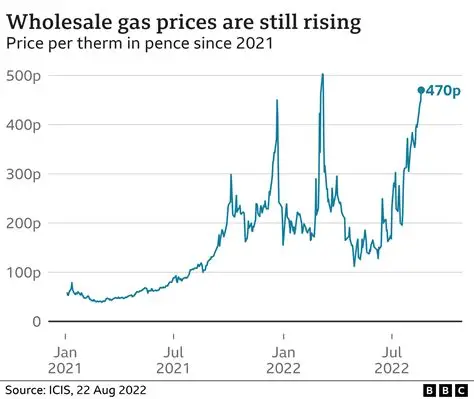
Energy prices are actually expected to fall slightly in April. However, wholesale energy costs over the coming months will determine household bills for the summer.
If wholesale prices stay high, millions of households could face higher bills later in the year.
During the last major energy crisis after the Russian invasion of Ukraine, the UK government introduced the Energy Price Guarantee to help households manage rising costs.
Heating oil users face immediate impact
Households that rely on heating oil feel the impact of price rises more quickly. These homes are common in rural areas and in Northern Ireland.
Heating oil prices are not capped, so they respond directly to market changes.
Campaign groups say prices have more than doubled since the conflict began. Some suppliers have also limited orders due to panic buying.
Emma Simpson said households with low oil supplies may have no choice but to buy at higher prices.
The Competition and Markets Authority is monitoring the market. Officials say suppliers must charge fair prices and provide clear terms.
Cost of living pressures may rise
At the start of March, the Office for Budget Responsibility expected UK inflation to stay near the Bank of England target of 2%.
The forecast predicted inflation of about 2.3% this year and around 2% annually from 2027.
However, those estimates were made before the latest military escalation involving Iran.
Economists now say predicting inflation has become more difficult due to the unstable global situation.
Even so, analysts believe inflation is unlikely to reach the 11.1% peak recorded in October 2022. That surge was partly caused by food shortages linked to the Ukraine war.
For now, experts expect higher fuel and energy costs to raise living expenses, but not to the extreme levels seen during the previous crisis.