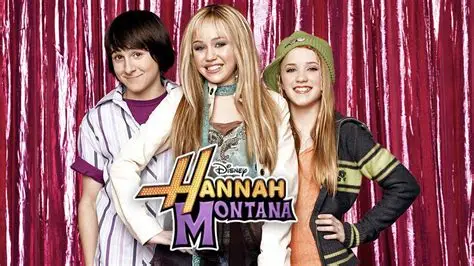
On a chilly March afternoon, fans gathered at New York’s Washington Square Park for a Miley Cyrus lookalike contest. Among them were Iranian-American cousins Sophia Parizadeh, 23, and Ariana Parizadeh, 22. Growing up in strict immigrant households, they found a secret connection with Hannah Montana. The show’s double-life storyline reflected their own experiences of balancing home and school life.
“At home, we spoke Farsi and were encouraged to become doctors or lawyers. At school, we spoke English and tried to fit in like everyone else,” Sophia said. She explained that she often felt like two different versions of herself, much like Hannah Montana herself.
Disney Channel’s Hannah Montana debuted in 2006 and followed a Tennessee teen leading a double life as an international pop star in Malibu. The show quickly became a cultural touchstone for kids and tweens. Twenty years later, a Disney+ anniversary special revisited Miley Cyrus’ iconic role, now reflecting on the show’s broad influence.
Even though the cast and storylines would likely be more diverse if made today, the series still resonated across cultures, genders, and races. Kids from different backgrounds related to Hannah Montana’s duality, secret lives, and search for identity.
Katrina “Kitty” Black, a 29-year-old Jamaican-American fan, recalls how the show helped her navigate childhood. “She was white, and I was Black, but figuring yourself out, managing expectations from your father and friends, and dealing with rumors—it all felt really important,” Black said.
Black’s childhood involved switching between her Jamaican church in Stamford, Connecticut, and a mostly white, affluent school where she was one of the few scholarship students. She said the show mirrored her own experience of “codeswitching” and exploring her identity.
“Hannah Montana just hit because at that age, you’re trying to find yourself and your voice,” she added. For many marginalized kids, the show provided both representation and a comforting mirror of their own dual worlds.