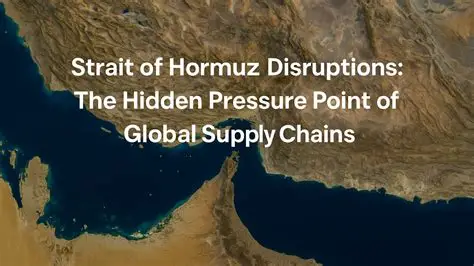
The ongoing conflict involving Iran, the United States, and Israel has disrupted shipping through the Strait of Hormuz. This route plays a critical role in global trade, especially for oil and gas.
As shipments decline sharply, energy prices have already increased. However, the impact goes far beyond fuel. The disruption threatens supplies of essential goods, including food, medicines, and electronics.
Fewer Ships, Bigger Impact
Before the conflict, more than 100 ships passed through the strait daily. Now, only a small number of vessels operate in the area.
This drop has slowed the movement of key materials that global industries depend on. As supply tightens, prices are likely to rise across multiple sectors.
Fertilisers and Food Production at Risk
Fertilisers rely heavily on petrochemicals derived from oil and gas. Countries in the Gulf region produce large quantities for global markets.
According to the United Nations, about one-third of the world’s fertilisers—such as urea, ammonia, potash, and phosphates—usually pass through the strait.
Data from the World Trade Organization shows a sharp drop in fertiliser shipments since the conflict began.
This disruption comes at a critical time. March and April mark the planting season in many parts of the northern hemisphere. Farmers rely on fertilisers during this period to ensure strong crop yields.
Experts warn that reduced fertiliser use could lower agricultural output later in the year, increasing the risk of food shortages and higher prices.
Long-Term Food Security Concerns
Researchers from the Kiel Institute highlight the broader risks. Even a short disruption could affect an entire growing season.
Lower production now may lead to lasting consequences for global food supply, especially in regions that already face food insecurity.
Wider Supply Chain Effects
Fertilisers are just one example of how the disruption affects global trade. Many chemicals and raw materials used in medicines and electronics also move through the Hormuz Strait.
As supply chains tighten, industries may face delays, higher costs, and reduced availability of key products.
A Growing Global Concern
The situation highlights how dependent the global economy is on key shipping routes. Continued disruption in the Strait of Hormuz could increase inflation and put pressure on everyday goods.
Governments and industries are closely monitoring the situation as they prepare for possible long-term effects.