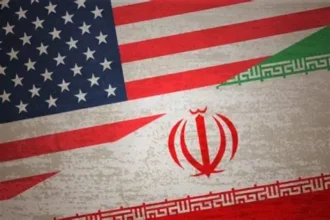
Leaders from the Group of Seven (G7) said they are prepared to take “necessary measures” to support global energy supplies after the ongoing conflict involving the United States, Israel and Iran pushed oil prices sharply higher.
Finance ministers from G7 nations held a virtual meeting with the International Energy Agency (IEA). The discussion focused on stabilising the global oil market.
However, the meeting ended without a final decision to release emergency oil reserves.
Oil prices jump amid supply fears
Oil prices surged as the conflict raised fears of supply disruptions. On Monday, Brent crude oil briefly climbed close to $120 per barrel. Global stock markets also dropped as investors reacted to the rising energy costs.
The price later fell to around $102 per barrel during trading in Asia. Meanwhile, West Texas Intermediate crude oil traded near $101 per barrel.
Energy markets under pressure
Fatih Birol warned that oil markets have worsened in recent days. He said disruptions in the region are increasing risks for global energy supply.
According to Birol, transportation through the Strait of Hormuz has become difficult. The narrow passage normally carries about 20% of the world’s oil supply.
He also noted that several oil production sites in the region have reduced output.
IEA member countries currently hold more than 1.2 billion barrels of emergency oil stocks. Governments also require companies to maintain an additional 600 million barrels in reserve.
No decision yet on releasing reserves
Roland Lescure said the group has not yet decided to release emergency reserves.
“We are not there yet,” Lescure explained after the meeting.
If the reserves are released, it would mark the first coordinated action since 2022. At that time, nations released oil stocks after Russian invasion of Ukraine disrupted global supply.
The G7 later released a statement confirming that members are ready to act if necessary. The group said it may support the global supply of energy through measures such as releasing strategic stockpiles.
Conflict increases market tension
The conflict in the Middle East has increased pressure on global energy markets. The United States and Israel launched new airstrikes across Iran over the weekend. Some attacks targeted oil depots and energy infrastructure.
Iran responded by targeting energy facilities in nearby Gulf countries. Saudi Arabia reported intercepting two waves of drones heading toward a major oil field.
Earlier in the week, markets had remained relatively calm. However, the latest escalation and damage to energy infrastructure increased fears of a prolonged disruption.
Trump downplays oil price concerns
Donald Trump dismissed concerns about rising oil prices. The US president said temporary price increases are a small cost for security.
In a post on his social media platform Truth Social, Trump wrote that oil prices would drop quickly once the Iran threat is removed.
Experts warn that sustained high oil prices could increase inflation worldwide. Higher inflation may also force central banks to delay interest rate cuts.