In 2007, wildlife biologist Purnima Devi Barman witnessed a heartbreaking scene in a village near the Brahmaputra River in Assam, India. Villagers had cut down a large tree, destroying the nesting site of several endangered birds. On the ground lay injured and dead birds, along with a few helpless chicks struggling to survive.
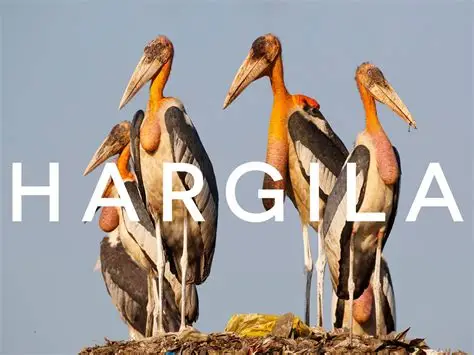
These birds were greater adjutant stork, locally known as the hargila, meaning “bone-swallower.” Shocked by the destruction, Barman picked up a surviving chick. Feeling its heartbeat, she realized she could not remain just an observer—she needed to act.
At the time, she studied wildlife conservation, but this moment changed her path. She decided to dedicate her life to protecting these rare birds.
Why the Hargila Matters
The greater adjutant stork stands about five feet tall and plays a key role in the ecosystem. As a scavenger, it feeds on dead animals and organic waste. This behavior helps clean the environment, prevents disease spread, and recycles nutrients back into the soil.
Despite its ecological importance, people misunderstood the bird for years. Many communities saw it as a symbol of bad luck. Its habit of feeding on carcasses and nesting near human settlements created fear and dislike.
Decline of a Rare Bird
In the past, the greater adjutant stork lived across many parts of Asia. Today, its population has sharply declined. It now survives mainly in parts of India, especially Assam and Bihar, along with small populations in Cambodia.
Habitat destruction remains a major threat. People often cut down nesting trees or drain wetlands. Hunting and egg collection have also reduced their numbers. According to the International Union for Conservation of Nature, the species is classified as Near Threatened.
Changing Perceptions
For many years, villagers viewed the hargila as a nuisance. The birds nested on private land and left behind droppings, which caused frustration. Some people even hunted them or used their body parts in traditional remedies.
However, conservation efforts have started to change these attitudes. Local communities now play a key role in protecting the birds and their habitats.
A Story of Hope
The journey of the greater adjutant stork shows how awareness and community action can save endangered species. What was once seen as a bad omen now receives protection and respect.
Thanks to dedicated conservation work, the hargila is slowly recovering. This transformation proves that even the most misunderstood species can find a place in the world when people choose to protect rather than destroy.