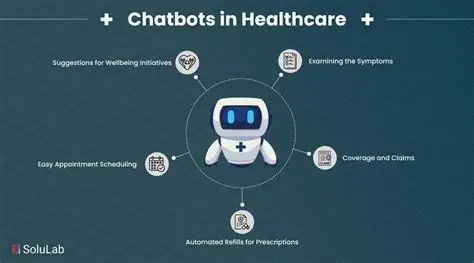
The use of AI chatbot health advice is becoming increasingly common as more people turn to tools like ChatGPT for medical guidance.
One user, Abi from Manchester, has been using ChatGPT to help manage her health concerns over the past year. She says the tool provides quick, accessible responses when it is difficult to reach a doctor.
Why People Use AI for Health Advice
Many users are drawn to AI chatbots because they are available at any time. In contrast, getting an appointment with a GP can be difficult and time-consuming.
Abi, who struggles with health anxiety, says AI feels less overwhelming than traditional internet searches. Search engines often show the worst-case scenarios first, which can increase stress.
She describes using the chatbot as a form of guided problem-solving, similar to having a conversation with a medical professional.
A Mix of Helpful and Risky Outcomes
Abi shared that AI has helped her make practical decisions about her health. In one case, she suspected a urinary tract infection. The chatbot suggested she visit a pharmacist, which later led to a proper consultation and antibiotic treatment.
She felt the experience helped her get timely care without placing additional pressure on the NHS.
However, experts warn that reliance on AI for medical advice can be risky. While AI tools like Google Gemini and Grok can provide useful information, they are not a replacement for professional medical diagnosis.
Growing Concerns Among Experts
Health professionals caution that AI systems may sometimes provide inaccurate or incomplete advice. Unlike trained doctors, chatbots do not fully understand patient history or complex medical conditions.