Journeys Along the World’s Most Legendary Historical Pathways
Long before airplanes, railways, and highways connected continents, ancient trade routes shaped civilizations, economies, and cultures across the globe. Merchants, explorers, pilgrims, and travelers crossed deserts, mountains, forests, and seas carrying silk, spices, gold, salt, and ideas that transformed human history. Today, many ancient trade routes you can actually travel today still exist in remarkable form, offering modern travelers the chance to experience history firsthand.
These historical routes are more than old pathways. They represent centuries of cultural exchange, migration, religion, architecture, and economic development. Traveling along these routes allows visitors to discover ancient cities, mountain passes, caravan towns, and breathtaking landscapes that once connected entire empires.
From the legendary Silk Road in Asia to the rugged Inca Trail in South America, these ancient trade routes you can actually travel today continue inspiring adventurers, historians, and cultural explorers worldwide.
The Silk Road: Asia’s Legendary Network of Civilizations
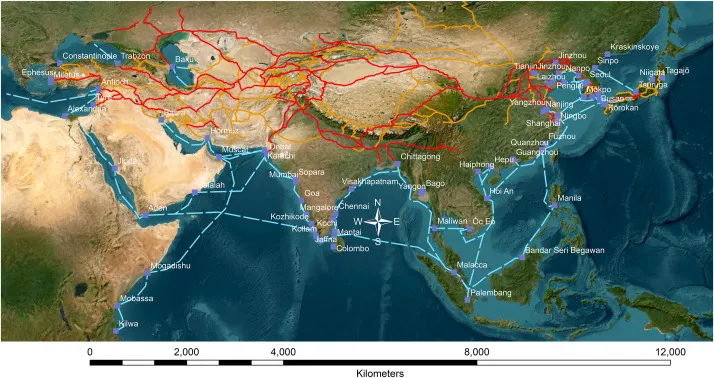
Few ancient trade routes you can actually travel today are as famous as the Silk Road. Stretching across China, Central Asia, the Middle East, and parts of Europe, the Silk Road connected East and West for centuries through trade, culture, and diplomacy.
Rather than a single road, the Silk Road was a vast network of land and maritime routes used to transport silk, spices, ceramics, precious stones, and knowledge between civilizations.
Popular Silk Road Destinations Travelers Visit Today
| Destination | Country | Historical Importance |
|---|---|---|
| Samarkand | Uzbekistan | Major trading and cultural center |
| Xi’an | China | Eastern starting point of the Silk Road |
| Bukhara | Uzbekistan | Famous caravan city |
| Kashgar | China | Key crossroads between Asia and the Middle East |
Modern travelers can explore ancient bazaars, caravanserais, mosques, and desert cities that once hosted merchants from across Eurasia. According to UNESCO Silk Roads Programme, the Silk Road helped spread religions, technologies, languages, and artistic traditions throughout the ancient world.
For more fascinating travel stories and historical discoveries, visit The News Ink for regular global travel features.
The Inca Trail: Peru’s Sacred Mountain Route
The Inca Trail is one of the most breathtaking ancient trade routes you can actually travel today. Built by the Inca civilization centuries ago, this mountain pathway connected various regions of the Inca Empire across South America.
Today, the trail is best known for leading travelers through the Andes Mountains toward the legendary city of Machu Picchu.
Why the Inca Trail Remains Extraordinary
- Ancient stone pathways still survive
- Stunning mountain and cloud forest scenery
- Historic Incan ruins along the route
- Direct connection to Machu Picchu
The classic four-day trek remains one of the world’s most famous hiking experiences. Travelers pass through high-altitude passes, sacred ruins, and dramatic valleys before reaching the Sun Gate overlooking Machu Picchu.
The official Peru Travel Government Site provides visitor information and travel guidance for the Inca Trail and Machu Picchu region.
The Amber Road: Europe’s Forgotten Ancient Highway
Among the lesser-known ancient trade routes you can actually travel today is the Amber Road, an ancient European network used to transport amber from the Baltic Sea to the Mediterranean world.
For centuries, amber — often called “the gold of the north” — was one of Europe’s most valuable trade commodities. Traders moved it across rivers, forests, and mountain regions connecting modern-day Poland, Lithuania, Austria, and Italy.
What Travelers Can Explore Along the Amber Road
| Region | Modern Attraction |
|---|---|
| Baltic Coast | Amber museums and beaches |
| Poland | Medieval trading towns |
| Austria | Roman archaeological sites |
| Italy | Ancient Adriatic trade ports |
Many sections of the Amber Road overlap with modern European travel routes, making it possible to explore historical cities and archaeological remains connected to ancient commerce.
The Britannica Amber Routes Overview explains the historical importance of amber trade throughout Europe.
The Spice Route: The Ancient Maritime Highway
The Spice Route connected Asia, the Middle East, Africa, and Europe through maritime trade. Unlike overland caravan networks, this route relied on ships transporting spices such as cinnamon, cloves, pepper, and nutmeg across the Indian Ocean.
Among the ancient trade routes you can actually travel today, the Spice Route offers one of the most culturally diverse travel experiences.
Famous Spice Route Destinations
- Muscat, Oman
- Kochi, India
- Zanzibar, Tanzania
- Malacca, Malaysia
Travelers exploring these coastal cities can still experience centuries-old ports, spice markets, and multicultural architecture shaped by global trade.
According to UNESCO Silk Roads Maritime Routes, maritime trade routes played a major role in spreading religions, languages, and cultural traditions across continents.
The Tea Horse Road: China’s Mountain Trade Path
The Tea Horse Road was an ancient network connecting China, Tibet, and parts of Southeast Asia. Traders transported tea from China in exchange for horses from Tibetan regions, creating one of Asia’s most important commercial corridors.
This route crossed rugged mountains, deep valleys, and dangerous terrain, making it one of the most physically demanding ancient trade routes you can actually travel today.
Why Travelers Love the Tea Horse Road
| Feature | Experience |
|---|---|
| Himalayan Landscapes | Dramatic mountain scenery |
| Ancient Villages | Traditional Tibetan culture |
| Historic Caravan Trails | Preserved pathways and bridges |
| Cultural Diversity | Blend of Chinese and Tibetan influences |
Modern travelers can follow sections of the route through Yunnan Province in China and Tibetan cultural regions while exploring ancient towns and monasteries.
The National Geographic Adventure Travel highlights the route’s extraordinary landscapes and historical importance.
The Trans-Saharan Trade Route: Africa’s Desert Passage
The Trans-Saharan Trade Route once connected North Africa with West African kingdoms through vast desert caravans. Merchants transported gold, salt, textiles, and manuscripts across the Sahara Desert using camel caravans.
Today, parts of this historic network remain among the most adventurous ancient trade routes you can actually travel today.
Historic Cities Along the Route
- Timbuktu, Mali
- Marrakech, Morocco
- Agadez, Niger
- Gao, Mali
These cities became centers of trade, education, and Islamic scholarship during the height of Saharan commerce.
The Britannica Trans-Saharan Trade Overview explains how desert trade transformed African civilizations and economies.
The Incense Route: Arabia’s Ancient Desert Network
The Incense Route connected southern Arabia with the Mediterranean world through the trade of frankincense and myrrh, two highly valuable aromatic substances used in religion, medicine, and luxury goods.
Among the most fascinating ancient trade routes you can actually travel today, this route passes through dramatic desert landscapes and ancient archaeological sites in Oman, Saudi Arabia, and Jordan.
What Makes the Incense Route Special
- Ancient desert caravan paths
- Archaeological ruins and forts
- Historic oasis towns
- Connection to biblical trade history
Travelers can still visit old caravan settlements and desert trading centers that once controlled the lucrative incense trade.
The UNESCO Frankincense Land Site highlights the importance of incense trade routes in shaping Arabian history.
Why Ancient Trade Routes Continue to Inspire Modern Travelers
The enduring appeal of ancient trade routes you can actually travel today comes from their unique combination of history, culture, adventure, and scenery. Unlike ordinary tourist destinations, these routes allow travelers to follow the footsteps of merchants, pilgrims, and explorers who connected civilizations centuries ago.
These routes also demonstrate how trade shaped:
- Architecture
- Religion
- Language
- Cuisine
- Technology
- Cultural exchange
Many ancient trade routes you can actually travel today remain active tourism corridors because they combine historical significance with unforgettable landscapes and immersive cultural experiences.
Final Thoughts on Ancient Trade Routes You Can Actually Travel Today
The world’s ancient trade networks helped shape human civilization long before modern globalization existed. Today, these ancient trade routes you can actually travel today continue offering extraordinary journeys through deserts, mountains, forests, and ancient cities rich with history and culture.
Whether exploring the Silk Road’s legendary caravan cities, hiking the Inca Trail to Machu Picchu, or following Europe’s forgotten Amber Road, travelers can still experience the pathways that once connected empires and transformed the ancient world.
For more historical travel guides, cultural features, and fascinating global discoveries, visit The News Ink and explore stories from across the world.