President Donald Trump launched his trade war last April. He promised manufacturing revival, government revenue, and new markets. One year on, US tariff rates hit decades-high levels at 10%, up from 2.5%.
1. US-China Decoupling Speeds Up
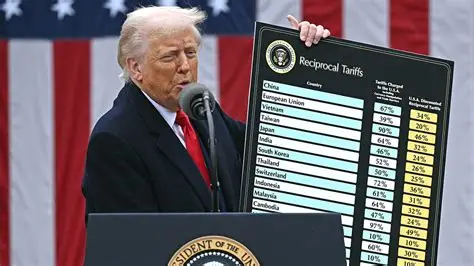
Trump shocked markets on Liberation Day with 10% tariffs on foreign goods. China faced much higher duties, sparking tit-for-tat hikes into triple digits. Trade between the giants briefly halted.
US imports from China plunged 30% last year. Exports to China dropped over 25%. Chinese goods now claim under 10% of US imports—levels unseen since 2000.
Firms shifted to Vietnam and Mexico, where Chinese companies ramped investments. Dartmouth professor Davin Chor calls the direct trade rupture “dramatic and decisive.” Companies executed long-planned moves that will persist.
2. Partners Seek New Markets
Trump raised levies on steel, lumber, cars, and ended $800 duty-free shipments. US imports still rose over 4%—slower than 2024 but no isolation.
Firms and leaders diversified buyers. UK exports to the US fell as shares to Germany, France, and Poland grew despite modest 10% tariffs. Aston University economist Jun Du notes global trade held firm through “re-wiring.”
Canada slashed Chinese EV tariffs from 100% to 6.1%, favoring Beijing over US carmakers despite exemptions. Columbia Law professor Petros Mavroidis blames unilateralism over tariff levels for the rift.
3. Ally Tensions Spill Over
Tariffs eroded US soft power. Canadian US travel dropped 20%, costing $4 billion. Diplomacy suffered—from Iran war support to e-commerce tariff bans.
Oxford Economics Michael Pearce warns limited retaliation may grow. Trump’s stance inspires global protectionism, spreading trade war damage.