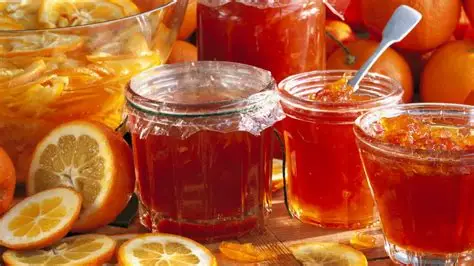
Traditional marmalade in the United Kingdom could soon receive a new label under a proposed food agreement with the European Union.
If the deal goes ahead, producers will need to rename classic marmalade as “citrus marmalade.” This change comes as part of updated European food regulations designed to simplify trade and reduce barriers for exporters.
For decades, strict rules defined marmalade in the UK as a preserve made only from citrus fruits. These regulations, introduced with strong British influence in the 1970s, aimed to protect the identity of traditional recipes, particularly those made from Seville oranges.
However, the European Union has now broadened its definition. Under the new rules, countries can label non-citrus fruit spreads as marmalade. To avoid confusion, citrus-based products must now carry the more specific label “citrus marmalade.”
The changes already apply in Northern Ireland under existing trade arrangements. They may soon extend to England, Scotland, and Wales if the wider agreement is approved.
Officials have not yet confirmed when the new labelling rules will take effect across Britain. Authorities continue to consult businesses and assess how the changes could affect consumers.
Some experts warn that expanding the term “marmalade” could confuse shoppers, especially in a market where the product has long held a distinct identity.