

Sign In
The News Ink™ | World News | Sports | Technology | Business
  • Technology
  • Anime
  • Sports
  • Business & Finance
  • Beauty & Fashion
  • Top Stories
  • More
    • Lifestyle
    • Bizarre
    • Current Affairs
    • Entertainment
    • Health
    • Opinion
    • Science
    • Travel
Reading: 1970s Oil Crisis Explained: Could Today’s Energy Shock Be Worse?
Share
Font ResizerAa
The News Ink™ | World News | Sports | Technology | BusinessThe News Ink™ | World News | Sports | Technology | Business
  • Travel
  • Opinion
  • Science
  • Technology
  • Beauty & Fashion
  • Technology
  • Anime
  • Sports
  • Business & Finance
  • Beauty & Fashion
  • Top Stories
  • More
    • Lifestyle
    • Bizarre
    • Current Affairs
    • Entertainment
    • Health
    • Opinion
    • Science
    • Travel
Have an existing account? Sign In
The News Ink™ | World News | Sports | Technology | Business > Blog > Business & Finance > 1970s Oil Crisis Explained: Could Today’s Energy Shock Be Worse?
Business & Finance

1970s Oil Crisis Explained: Could Today’s Energy Shock Be Worse?

Dowry Lane
Last updated: September 14, 2026 5:20 pm
Dowry Lane
Share
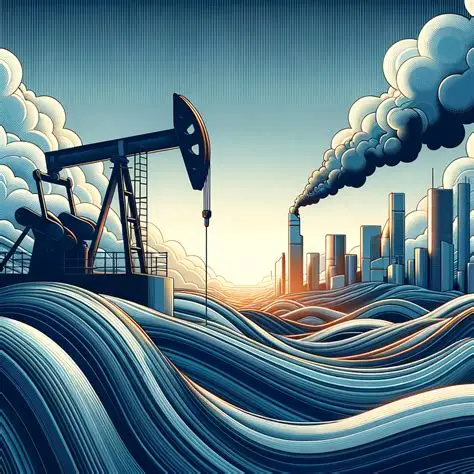
Oil barrels and global market charts representing the 1970s oil crisis and current energy concerns
The 1970s oil crisis offers key lessons for today’s global energy challenges
SHARE

The recent disruption to global energy routes has raised concerns about a crisis that could rival or even surpass the oil shocks of the 1970s. Experts warn that ongoing geopolitical tensions may place unprecedented pressure on global energy supplies.

Contents
What Happened in the 1970s Oil Crisis?How Does Today’s Situation Compare?What Could Happen Next?

The current situation has drawn comparisons to the 1970s oil crisis, one of the most significant economic disruptions in modern history. However, analysts note that the causes and global conditions today differ in key ways.

What Happened in the 1970s Oil Crisis?

The 1970s oil crisis began in 1973 when members of OPEC imposed an oil embargo. They targeted countries that supported Israel during the Yom Kippur War.

At the same time, oil-producing nations reduced output, which caused a sharp supply shortage. As a result, oil prices surged dramatically within a short period.

The impact spread quickly across the global economy. Many countries introduced fuel rationing, and businesses struggled with rising costs. Inflation increased sharply, while economic growth slowed.

The crisis triggered a severe economic downturn in several major economies, including the United States and the United Kingdom. Rising unemployment and falling production created long-lasting financial and social challenges.

A second major shock occurred in 1979 during the Iranian Revolution, which further disrupted oil supplies and pushed prices higher.

How Does Today’s Situation Compare?

Today’s energy challenges stem from geopolitical conflict rather than coordinated production cuts. Tensions in key regions have threatened vital supply routes, especially around the Strait of Hormuz, a critical channel for global oil shipments.

Experts warn that any prolonged disruption in this region could significantly impact global markets. Shipping delays and supply uncertainty may continue to drive prices upward.

Some analysts believe the current crisis could have a greater impact than the 1970s due to the scale of global demand and interconnected supply chains. Modern economies rely heavily on stable energy flows, making them vulnerable to sudden disruptions.

However, others argue that the world is better prepared today. Countries now maintain strategic oil reserves and have more diverse energy sources. Advances in technology and renewable energy also provide alternatives that were not available in the 1970s.

What Could Happen Next?

The long-term impact will depend on how the situation develops. If supply routes remain unstable, energy prices could continue to rise. This may lead to higher transportation and production costs, which often translate into increased prices for everyday goods.

There are also concerns about food security. Fertilizer production and transport depend heavily on energy supplies, meaning disruptions could push food prices higher, especially in developing regions.

While today’s situation differs from the 1970s crisis, the risks remain significant. Governments and markets will need to respond quickly to prevent a prolonged economic shock.
Subscribe to Our Newsletter

Subscribe to our newsletter to get our newest articles instantly!

[mc4wp_form]
TAGGED:1970s Oil Crisisenergy shockGlobal InflationIranian RevolutionOPECStrait of HormuzYom Kippur War
Share This Article
Twitter Email Copy Link Print
Previous Article Pakistani security forces deployed in Islamabad ahead of US Iran peace talks Oil Prices Surge While Asian Markets Fall as Iran War Intensifies
Next Article Oil price chart reacting to political statements during Iran conflict How Trump’s Statements Influence Oil Prices During the Iran Conflict
Leave a comment

Leave a Reply Cancel reply

You must be logged in to post a comment.

Editor's Pick

Hot News

How Spotify makes money through Premium subscriptions advertising free listeners podcasts and music streaming

How Does Spotify Make Money When You Listen for Free?

How Does Spotify Make Money When You Listen for Free?…

October 23, 2026

Why Do Supermarkets Put Milk at the Back of the Store?

Why Do Supermarkets Put Milk at…

October 23, 2026

10 Jobs That Exist Today Because of the Internet

10 Jobs That Exist Today Because…

October 22, 2026

How Does Wikipedia Make Money Without Advertising?

How Does Wikipedia Make Money Without…

October 22, 2026

How Do Free Apps Make Money Without Showing Ads?

How Do Free Apps Make Money…

October 21, 2026

You Might Also Like

What happens when a bank collapses showing insured deposits bank failure deposit protection and customer savings
Business & Finance

What Happens to Your Money When a Bank Collapses?

What Happens to Your Money When a Bank Collapses? Imagine opening your banking app one morning. It does not load.…

32 Min Read
How WhatsApp makes money through business messaging Status ads WhatsApp Business subscriptions and paid marketing
Business & Finance

How Does WhatsApp Make Money If It Is Free?

How Does WhatsApp Make Money If It Is Free? Send a WhatsApp message. Free. Make a one-hour voice call. Free.…

30 Min Read
How Google makes money through Search advertising YouTube Google Cloud subscriptions Google Play and devices
Business & Finance

How Google Makes Money: 8 Powerful Revenue Streams

How Does Google Make Money If Most of Its Services Are Free? Open Google Search. Free. Check Gmail. Free. Watch…

32 Min Read
Supermarket profit margins explained through grocery sales volume private labels and inventory turnover
Business & Finance

How Do Supermarkets Make Money on Products With Tiny Profit Margins?

How Do Supermarkets Make Money on Products With Tiny Profit Margins? Walk through a supermarket and the business model can…

35 Min Read
The News Ink™ | World News | Sports | Technology | Business

Categories

  • Anime
  • Beauty & Fashion
  • Bizarre
  • Business & Finance
  • Current Affairs

Explore

  • Top Stories
  • Entertainment
  • Health
  • Lifestyle
  • Opinion

More

  • Science
  • Sports
  • Technology
  • Travel

Legal Docs

  • Home
  • About Us
  • Contact
  • Blog
  • Privacy Policy
  • Terms and Conditions

© The News Ink. All Rights Reserved. Powered By IQC Solutions ®

Oil prices slide after hopes rise for a US-Iran peace agreement
Join Us!

Subscribe to our newsletter and never miss our latest news, podcasts etc..

Zero spam, Unsubscribe at any time.
Go to mobile version
Welcome Back!

Sign in to your account

Register Lost your password?