Bizarre Cultural Practices Around the World: 10 Traditions That Surprise Travelers
Travel introduces people to new cultures, traditions, and ways of life. Bizarre cultural practices around the world often surprise travelers because they challenge common expectations and beliefs. However, these unusual traditions hold deep cultural meaning for the communities that follow them. Therefore, understanding these customs helps travelers appreciate diversity rather than judge it.
In recent years, curiosity about bizarre cultural practices around the world has grown significantly. Moreover, travelers now seek authentic cultural experiences instead of surface-level tourism. As a result, learning about unique traditions has become an essential part of modern travel.
Bizarre Cultural Practices Around the World in Spain’s Baby Jumping Festival
One of the most unusual traditions takes place in Spain during the festival known as El Colacho. In this event, men dressed as devils jump over babies lying on mattresses in the street. Locals believe this ritual cleanses infants of evil spirits and protects them from misfortune.
Although the practice may seem shocking, it has existed for centuries and remains an important part of local identity. Moreover, strict precautions ensure the safety of the children. To explore more cultural festivals, you can visit National Geographic.
Unique Traditions in Indonesia Toraja Funeral Rituals
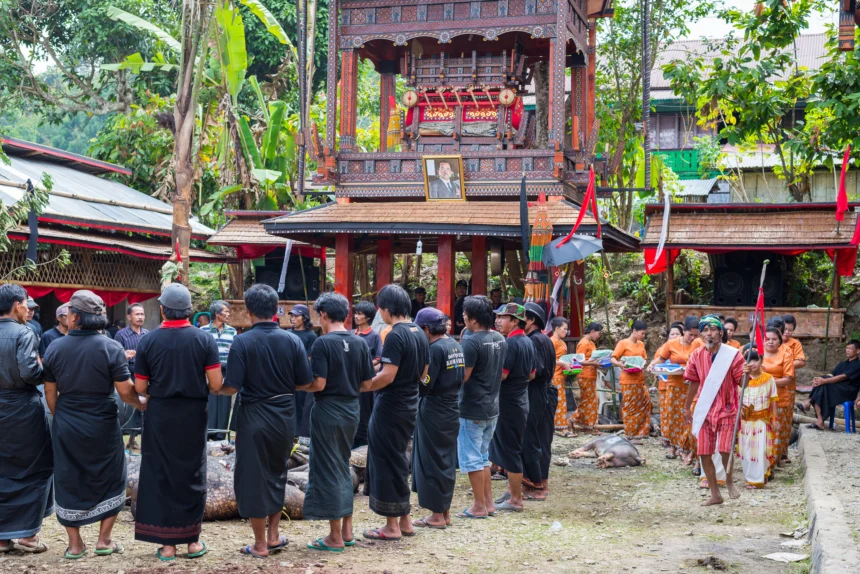
In Indonesia’s Toraja community, funerals become elaborate celebrations that last for days. Instead of immediate burial, families preserve the deceased and treat them as if they are still alive.
Furthermore, relatives bring food, speak to them, and include them in daily life until the funeral ceremony takes place. This tradition reflects a deep respect for ancestors and beliefs about the afterlife. As a result, visitors often find the experience both emotional and fascinating. Learn more about global cultures at Smithsonian Magazine.
Bizarre Cultural Practices Around the World in Japan Hadaka Matsuri
Hadaka Matsuri, also known as the “naked festival,” takes place in Japan. During this event, thousands of men wear minimal clothing and gather to compete for sacred sticks thrown by priests.
Moreover, participants believe that catching these sticks brings good luck for the year. Although the scene may appear chaotic, the festival follows strict traditions and discipline. Consequently, it highlights the cultural importance of purification and endurance. For travel insights, visit Japan National Tourism Organization.
Strange Customs in India Thaipusam Piercing Ritual
The Thaipusam festival in India and among Tamil communities involves extreme acts of devotion. Devotees pierce their bodies with hooks, skewers, and spears as a form of spiritual sacrifice.
Additionally, participants enter trance-like states, which helps them endure the pain. This ritual symbolizes faith, discipline, and dedication to the deity Lord Murugan. Although it may seem intense, followers view it as a deeply spiritual experience. For more religious traditions, visit BBC Culture.
Bizarre Cultural Practices Around the World in Madagascar Famadihana Ceremony
Famadihana, also known as the “turning of the bones,” is a unique tradition in Madagascar. Families exhume the remains of their ancestors, wrap them in fresh cloth, and celebrate with music and dancing.
Moreover, this ceremony strengthens family bonds and honors the deceased. Instead of mourning, participants celebrate life and connection. Therefore, the ritual reflects a different perspective on death and remembrance. To explore more traditions, visit Cultural Survival.
Cultural Rituals in Denmark Cinnamon Tradition
In Denmark, people who remain unmarried by the age of 25 face a playful yet unusual tradition. Friends and family throw large amounts of cinnamon on them as a lighthearted celebration.
Although it may seem embarrassing, the custom represents humor and social bonding. Additionally, it highlights how cultures use traditions to mark life milestones in creative ways. Consequently, this practice adds a fun twist to societal expectations.
Bizarre Cultural Practices Around the World in Thailand Monkey Buffet Festival
In Thailand, locals celebrate the Monkey Buffet Festival by offering large quantities of food to monkeys. Tables fill with fruits, vegetables, and sweets for the animals to enjoy.
Furthermore, this event honors monkeys for their role in local culture and tourism. Visitors often find the scene both entertaining and surprising. However, the festival also promotes awareness about wildlife coexistence. For more travel stories, visit Lonely Planet.
Unique Customs in Ethiopia Bull Jumping Ceremony
The Hamar tribe in Ethiopia practices a coming-of-age ritual known as bull jumping. Young men must run across the backs of several bulls without falling.
Moreover, completing the challenge proves strength and readiness for adulthood. Family members and the community gather to witness the event. As a result, the ceremony strengthens social bonds and cultural identity.
Bizarre Cultural Practices Around the World in Germany Polterabend Wedding Tradition
Before weddings in Germany, couples celebrate Polterabend by smashing plates and ceramics. Friends and family gather to break items, creating a loud and chaotic environment.
Afterward, the couple must clean up the mess together. This symbolizes teamwork and cooperation in marriage. Therefore, the tradition carries a meaningful lesson beneath its unusual appearance.
Cultural Practices in Mexico Day of the Dead Celebrations
Mexico’s Day of the Dead, or Día de los Muertos, blends remembrance with celebration. Families create altars, decorate graves, and honor loved ones with food and music.
Moreover, the festival reflects a positive view of death as a natural part of life. Instead of mourning, people celebrate memories and connections. Consequently, this tradition offers a powerful cultural perspective. For more global updates, visit The News Ink.
Why These Traditions Matter in Global Culture
Bizarre cultural practices around the world may seem unusual; however, they carry deep meaning within their communities. These traditions reflect beliefs, values, and histories that shape cultural identity.
Moreover, understanding these practices encourages respect and open-mindedness. Instead of judging, travelers can learn from different perspectives. As a result, cultural awareness becomes an essential part of responsible tourism.
Final Thoughts on Bizarre Cultural Practices Around the World
Exploring bizarre cultural practices around the world offers more than just curiosity. It provides insight into how people live, celebrate, and connect with their beliefs.
Although some traditions may feel unfamiliar, they highlight the diversity that makes our world unique. Therefore, embracing these differences allows travelers to grow and appreciate cultures on a deeper level.