A Wake-Up Call for Parents
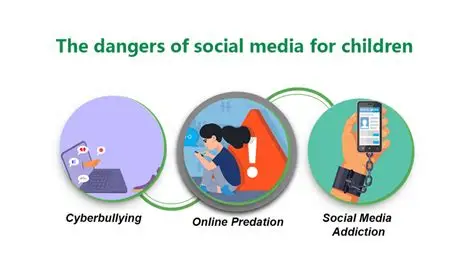
Recent court decisions have raised serious concerns about social media risks for kids. Juries found that major tech platforms failed to protect young users and designed features that encouraged addictive behavior.
In one case, a young woman received compensation after claiming that social media harmed her mental health, causing anxiety, body image issues, and harmful thoughts. These rulings highlight the growing concern about how digital platforms affect children.
Why These Decisions Matter
The verdicts suggest that social media companies may have knowingly created systems that keep users hooked. Features like endless scrolling and personalized content feeds encourage children to spend more time online.
Experts often compare this moment to major turning points in other industries, where hidden risks became widely recognized. For parents, this signals a need to take action.
Start Conversations With Your Kids
The first step is open communication. Talk to your children about how social media makes them feel.
Ask simple questions like:
- Do you feel happy after using these apps?
- Do you feel stressed or pressured?
Many children do not realize that these platforms are designed to keep them engaged. Explaining this can help them better understand their habits.
Create a Family Screen Plan
A clear strategy can help reduce risks and build healthier routines. Consider these practical steps:
- Encourage hobbies like reading, sports, or creative activities
- Keep device use in shared spaces at home
- Set rules for screen-free zones, especially during meals
- Limit device use before bedtime
- Keep phones out of bedrooms at night
These changes can improve sleep, focus, and overall wellbeing.
Reduce Distractions During Study Time
Create a separate space for homework without digital distractions.
If children use devices for schoolwork, remove unnecessary apps and restrict downloads. This helps them stay focused and reduces the temptation to switch to social media.
Work With Other Parents
One challenge many families face is peer pressure. If all children use social media, it becomes harder to limit access.
Parents can work together to set shared rules. When groups agree on limits, children can stay connected through safer alternatives like calls or in-person meetups.
Encourage Real-Life Connections
Face-to-face interaction plays a key role in emotional development.
Encourage your children to spend time with friends offline. Activities like sports, group study, or casual hangouts help build stronger relationships than online interactions.
A Chance to Reset Digital Habits
These recent developments offer an opportunity for families to rethink technology use.
By setting boundaries and encouraging healthier habits, parents can reduce the negative impact of social media and support their children’s mental health.
Final Thoughts
Social media is a major part of modern life, but it comes with real risks for young users.
Parents can make a difference by staying informed, communicating openly, and setting clear limits. Small changes today can lead to healthier digital habits in the future.