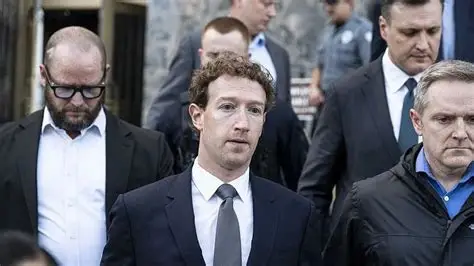
A jury in Los Angeles has delivered a landmark ruling against Meta and Google, holding Instagram and YouTube accountable for harm to children. The verdict states that the platforms are deliberately addictive and that their owners were negligent in protecting young users.
This decision marks a pivotal moment for the tech industry, with implications that extend far beyond Silicon Valley.
The Case and Damages
The ruling requires Meta and Google to pay $6 million (£4.5 million) to Kaley, the young woman at the center of the case. She claimed prolonged use of the platforms caused depression, body dysmorphia, and suicidal thoughts.
Both companies plan to appeal. Meta argues that no single app should bear sole responsibility for a teen mental health crisis, while Google maintains that YouTube is not a social network.
Despite these appeals, legal experts say the verdict signals “the era of impunity is over,” according to Dr. Mary Franks, law professor at George Washington University.
A Game-Changing Moment
Legal observers describe the decision as a potential “big tobacco” moment for tech. Companies like TikTok and Snap (owner of Snapchat) avoided the courtroom by settling beforehand, citing the high stakes and legal costs.
Former Instagram engineer Arturo Bejar warned Mark Zuckerberg years ago about the platform’s impact on children. He described the shift as turning Instagram “from a product you used to a product that uses you.” Meta denies these claims, but the court’s decision indicates current safety measures were insufficient.
What Could Change Next?
The ruling could redefine the social media landscape. Experts predict potential consequences including:
- Health warnings on screens
- Stricter advertising and sponsorship rules for minors
- Growing scrutiny of Section 230 protections that currently shield tech companies from liability
US lawmakers are increasingly questioning whether these legal shields remain appropriate. Meanwhile, social media executives have yet to receive public support from political allies, signaling that regulatory pressures may intensify.
Whatever happens in the appeals, this verdict may mark the start of a new era of accountability for big tech platforms.