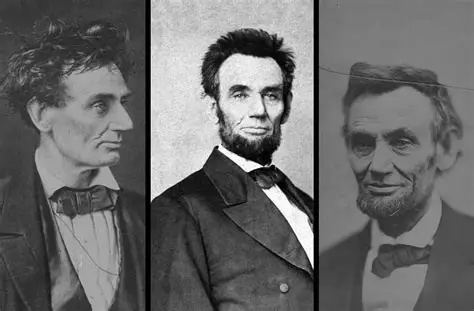
Concerns about manipulated images often focus on modern deepfakes and AI. However, image editing has existed for centuries. Even one of the most famous portraits of Abraham Lincoln was altered.
Photography has long been viewed as a reliable way to capture reality. Yet experts argue that images have rarely been completely trustworthy. From early photography to today’s digital tools, creators have adjusted images to influence how people perceive subjects.
In the 19th century, photographers often combined artistic techniques with emerging technology. Many early photographers also worked as painters, shaping images to create more appealing results rather than strictly accurate ones.
Abraham Lincoln understood the power of images. As he rose to prominence and eventually became US president in 1861, he used portraits to shape his public image. Despite joking about his appearance, Lincoln posed for more than 120 photographs during the final years of his life.
One of his most famous portraits, taken in 1864 by photographer Anthony Berger, became widely recognized. This image later inspired the engraving used on the US five-dollar bill for decades.
However, the photograph was not entirely authentic. Photographers of that time often altered images to improve composition or impact. Mathew Brady, a pioneer of photojournalism and owner of the studio where Berger worked, frequently adjusted photos to make them more striking.
This example shows that image manipulation is not a modern problem. While today’s tools are more advanced, the intention to shape reality through visuals has always existed. Understanding this history reminds us to view images critically, whether they come from the 19th century or the digital age.