Could the body be trained to resist seasonal allergies? New allergen immunotherapy (AIT) treatments suggest it’s possible, offering hope to millions affected by hay fever.
Glenis Scadding, vice president of Euforea and honorary consultant allergist at University College Hospital London, recalls one patient from forty years ago whose hay fever was so severe he could barely walk to the train station without wheezing. Scadding desensitized him to birch pollen using sublingual drops, dramatically improving his quality of life.
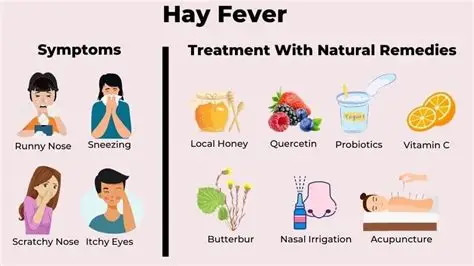
Allergic rhinitis, which affects more than 400 million people worldwide, occurs when the immune system mistakes harmless substances—like pollen, dust mites, or animal dander—for threats. Symptoms range from runny noses and itchy eyes to sneezing and breathing difficulties. Left untreated, hay fever can increase the risk of asthma and respiratory infections.
In the UK, about one in four adults and one in eight children experience allergic rhinitis, leading to millions of doctor visits annually. Prevalence is rising globally, and studies suggest climate change may be intensifying symptoms.
Modern therapies, including antihistamines and corticosteroids, manage symptoms effectively. However, allergen immunotherapy works differently by retraining the immune system to react less to triggers. This approach may prevent the progression from hay fever to asthma, offering a potential long-term solution.
Despite the availability of effective treatments, many patients don’t receive timely care. “Few people see the right specialist early enough when their disease is uncomplicated and easier to treat,” says Scadding. Clinical allergist Stephen Durham emphasizes that general practitioners often recommend only over-the-counter antihistamines, missing opportunities for preventative care like AIT.
With wider awareness and access, more individuals could benefit from these groundbreaking treatments and gain lasting relief from seasonal allergies.