

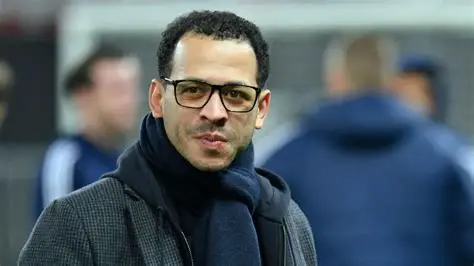
CHELSEA head coach Liam Rosenior is facing growing criticism over his handling of the team’s goalkeeping situation.
Since taking charge, Rosenior has chosen not to settle on a clear first-choice goalkeeper. This approach has led to frequent changes between Robert Sanchez and Filip Jorgensen, creating uncertainty in the squad.
Before Rosenior’s arrival, Sanchez held the starting position under former manager Enzo Maresca. However, a dip in form opened the door for Jorgensen, who initially impressed but later made costly errors.
Injuries have added to the instability. Jorgensen’s fitness issues forced Sanchez back into the lineup, resulting in multiple goalkeeper changes in a short period. This lack of consistency has raised questions about the effectiveness of rotation in such a crucial position.
The debate centers on whether constant changes disrupt rhythm and confidence. Goalkeepers rely heavily on stability, and frequent switches can impact both individual performance and defensive organization.
Statistically, the two players offer different strengths. Jorgensen shows better passing accuracy and suits a build-from-the-back style. Sanchez, on the other hand, performs better in shot-stopping and has saved more expected goals.
Rosenior has encouraged a more possession-based approach, which may favor Jorgensen’s playing style. However, adapting to new tactics may have contributed to inconsistent performances from both players.
The issue extends beyond goalkeeping. Defensive errors and tactical decisions have also affected results, including recent defeats in key matches. These problems have increased pressure on the coach’s overall strategy.
Despite criticism, Rosenior defends his approach. He believes competition across all positions improves performance. However, he acknowledges that goalkeepers face unique pressure, where a single mistake can have immediate consequences.
As Chelsea continue their season, the question remains whether the team needs a clear number one goalkeeper. Establishing stability in this position could be key to improving results and restoring defensive confidence.